
Introduction
A real ladybug garden is not a bag of bugs you order online and dump on your roses. It is a yard where wild lady beetles already want to live and hunt. These little beetles patrol your plants all day and night for free. They are the cheapest, most reliable pest control you will ever put to work.
Here is the number that should change how you think about them. A single ladybug can eat up to 5,000 aphids in its lifetime. Four state university programs back that figure. So a few of these beetles can clear the aphids off a row of plants. And you never touch a spray bottle.
Most guides tell you to buy ladybugs in a tub and let them loose at dusk. The science says skip it. Research from UC found that about 95% of released beetles fly away within 48 hours, and the rest leave a few days later. Your money flies off with them. The smarter move is to attract ladybugs that already live near you, so they stick around and breed.
This guide walks you through the whole garden, step by step. You will learn what to plant for native lady beetles. You will learn how to give them water and shelter too. And you will learn to spot the Asian lady beetle that crashes into homes each fall. We lean on extension data, not guesswork. So you can build real natural aphid control and treat these beetles as the beneficial insects they are.
Why Ladybugs Help Your Garden
Start with the number that matters most. A single ladybug can eat up to 5,000 aphids in its life. That is why university bug experts call these beetles your garden's first line of defense. That one stat is the whole case for ladybugs pest control in your yard.
Daily counts vary by source, and that range tells you something real. UF/IFAS puts an adult at about 25 aphids a day. NDSU lands near 50. UC IPM clocks freed adults at close to 100 before they spread out. The number climbs when your plants crawl with prey and drops when the buffet runs low. So treat it as a range and not a promise.
Both the adults and the spiky alligator-like larvae hunt. And the larvae out-eat the grown beetles by a wide margin. A single young larva can put away up to 500 aphids before it grows up. The adults roam wider ground. The fact that ladybugs eat aphids at every stage is what keeps your beetles working all season.
Aphids are not the only thing on the menu. These beneficial insects hunt much more. They eat spider mites, whiteflies, scale, leafhoppers, and pest eggs. Their prey is small and soft-bodied. These are the same soft-bodied pests that chew up your plants. So one batch of beetles can guard many crops at once.
Adults sip nectar, pollen, and honeydew too, which makes them minor pollinators on the side. A steady ladybug crowd in your beds means plenty of prey and few harsh sprays. That points to a garden in balance. When you draw them in, you set up biological pest control that renews itself each year. It is not a fix you buy and spray again.
Voracious aphid appetite
- Lifetime impact: A single ladybug can eat up to 5,000 aphids over its lifetime, which is why extension entomologists call them a gardener's first line of defense.
- Daily rate: Estimates range from roughly 25 to 100 aphids per day depending on the species, the life stage, and how many pests are available.
- Both stages hunt: Adults and the spiky larvae both prey on aphids, so a breeding population keeps working across the whole season.
A varied pest menu
- Beyond aphids: Ladybugs also eat spider mites, mealybugs, whiteflies, scale insects, leafhoppers, and the eggs of several pests.
- Soft-bodied focus: Their prey is mostly small and soft-bodied, so they target many of the pests that damage vegetables and flowers.
- Whole-garden help: This broad diet means one population can protect many different crops at the same time.
Helpful in every life stage
- Hungry larvae: The flightless larvae stay put and keep hunting, eating up to 500 aphids before they pupate.
- Working adults: Adults patrol for prey but move on once pests get scarce, spreading protection across the garden.
- Egg laying: A single female can lay up to 300 eggs, so a few beetles can seed a much larger working force.
A sign of garden health
- Minor pollination: Adults sip nectar, pollen, and honeydew, so they help move pollen between flowers as a secondary role.
- Ecosystem signal: A steady ladybug presence usually means enough prey and few harsh pesticides, which points to a balanced system.
- Free and renewable: Unlike sprays, a resident population renews itself each season at no cost once the habitat suits them.
A single ladybug can consume up to 5,000 insects in its lifetime, making it a valuable ally in pest management.
Plants That Attract Ladybugs
The best plants that attract ladybugs share one thing in common. They serve up easy pollen and nectar for the adult beetles, not just aphids for the larvae. Group your picks by flower shape and you'll feed beetles all season long.
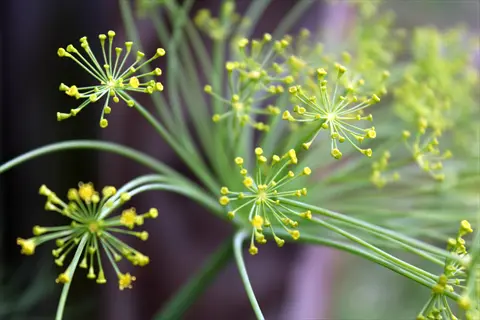
Think in three rough buckets. Flat-topped umbelliferous plants like dill and fennel hold dozens of tiny blooms on one head. Daisy-like composites such as yarrow and cosmos give beetles a broad, open face to land on. And low edging like sweet alyssum packs pollen close to the ground where small beetles forage.
NDSU Extension keeps its shortlist of ladybug favorite plants simple. The five it names are dill, sunflower, yarrow, coriander, and alyssum. Each one feeds adult beetles. These are the pollen and nectar plants beetles eat between aphid meals. Plant a few and your beetles stay close instead of drifting off to find food.
Flower shape matters more than you might think. Flat, open blooms act like landing pads for a beetle the size of a pencil eraser. Your single open daisy works far better than a fat, double-petaled ornamental. The frilly kind buries the pollen under layers your beetles can't reach. So when you shop, pick the plain open flowers over the showy doubles.
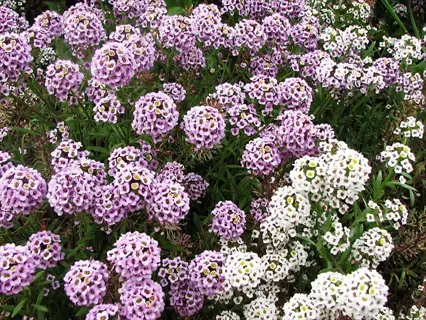
Dozens of tiny ladybugs worked a froth of white sweet alyssum one damp August morning. I watched from the kitchen window. The flowers edged the back corner where the lawn meets the hedge, right where the soil stays soft and cool. The beetles crawled over the blooms and dipped into each one. They packed the carpet so thick I lost count past 40.

Yarrow
- Flower type: Flat, broad flower heads made of many tiny blooms give beetles an easy landing pad and steady pollen.
- Bloom season: Long summer bloom keeps food available through the busiest aphid months.
- Care: A tough perennial that handles full sun and dry soil once established.
- Why beetles like it: The open clusters offer both pollen and nectar within easy reach.
- Bonus: Also draws lacewings, hoverflies, and many small pollinators.
- Placement: Works well at the back of a sunny border where it can spread.
Dill and fennel
- Flower type: Umbrella-shaped umbellifer flower heads are classic ladybug magnets full of accessible pollen.
- Dual purpose: Both are kitchen herbs, so they feed beetles and your cooking at once.
- Care: Easy annuals that self-sow readily in full sun.
- Why beetles like it: The tiny clustered flowers suit the small mouthparts of adult beetles.
- Aphid link: Dill and fennel often host their own aphids, which can lure beetles to stay and breed.
- Placement: Let a few plants flower rather than harvesting every stem.
Sweet alyssum
- Flower type: A low carpet of tiny, honey-scented blooms packed with pollen close to the ground.
- Bloom season: Flowers heavily from spring well into fall for a long feeding window.
- Care: An easy annual that fills gaps, edges beds, and spills from containers.
- Why beetles like it: Dense, shallow flowers make pollen and nectar very easy to reach.
- Extension pick: NDSU lists sweet alyssum among its top plants for attracting native lady beetles.
- Placement: Plant it as edging around vegetables and roses where aphids gather.
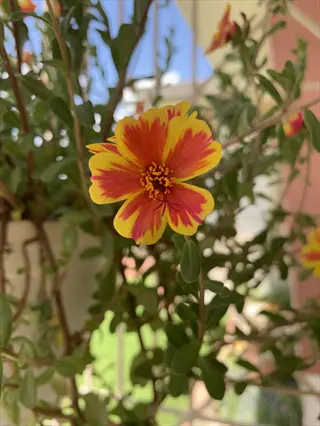
Cosmos, calendula, and marigold
- Flower type: Open, daisy-like composite flowers give beetles broad, simple landing surfaces.
- Bloom season: These cheerful annuals bloom for months with regular deadheading.
- Care: Easy to grow from seed in full sun with little fuss.
- Why beetles like it: Single open blooms expose pollen far better than dense double varieties.
- Decoy value: Calendula and marigold also work as aphid decoy plants near crops.
- Placement: Scatter them through vegetable beds for color and beetle food.

Sunflower and other open daisies
- Flower type: Large, flat flower faces offer abundant pollen and a generous landing platform.
- Bloom season: Summer into early fall, bridging the gap before frost.
- Care: Simple annuals that thrive in full sun and average soil.
- Why beetles like it: The wide central disk holds plenty of accessible pollen for adults.
- Extension pick: NDSU includes sunflower among plants that draw native lady beetles.
- Placement: Use taller varieties at the back of beds as a pollen-rich anchor.
Build Habitat, Water, Shelter
Plants bring beetles in. A good ladybug habitat keeps them around long enough to lay eggs and raise hungry larvae. The advice is simple, and three things do most of the work: water, shelter, and a soft hand with sprays.
Adults get thirsty in summer heat, so water for ladybugs matters more than most people think. A shallow dish with stones or marbles gives them a safe spot to land and drink. Without those landing pads, small beetles slip in and drown.
One dry July I set a shallow saucer of water among the dill and yarrow by the hedge corner. I pushed a handful of pebbles in so the tops broke the surface, then went back to weeding. Within an hour a couple of beetles sat perched on the stones. A few hoverflies and a wasp came in behind them, all drinking from the same dish. I kept it filled through the heat, and the beetles kept working the aphids on the dill.
For ladybug shelter, do less, not more. Leave some leaf litter, a few hollow stems, and one quiet corner you never tidy. Adults overwinter in that mess, tucked under leaves and dead stalks until spring. The leave the leaves habit gives them a place to wait out the cold right in your yard.
Here is the part that keeps beetles alive. You should avoid pesticides that hit everything, since broad-spectrum sprays kill the beetles along with the pests. If a problem forces your hand, the extension experts point to gentler options. They say to reach for horticultural oils or insecticidal soaps, which are much safer for beetles. And short-lived spinosad or neem clears out fast if you must spray at all.
There is one more piece that feels backward but works. Tolerate a few aphids instead of wiping out every last one. Beetles stay where there is food, so a garden scrubbed clean of prey gives them no reason to settle and breed.
- Water: Set out a shallow dish or saucer with pebbles, stones, or marbles so beetles can land and drink without drowning, and refill it in dry spells.
- Shelter: Leave some leaf litter, hollow stems, and a quiet undisturbed corner so adults have safe places to rest and overwinter.
- Sprays: Avoid broad-spectrum insecticides; choose horticultural oils or insecticidal soaps, and if you must spray, prefer short-lived spinosad or neem.
- Prey: Tolerate a few aphids rather than wiping out every pest, since beetles will not stay where there is nothing to eat.
- Plants: Keep a mix of pollen-rich flowers blooming across the season so adult beetles always have food nearby.
- Diversity: Pair these steps with lacewing- and hoverfly-friendly plants so several beneficial insects share the work.
Broad-spectrum insecticides kill ladybugs along with pests. If you must treat a problem, reach for horticultural oil, insecticidal soap, or short-lived spinosad or neem instead.
Ladybug Life Cycle and Season
The ladybug life cycle runs through four stages, and each one looks so different that you might not know they belong to the same insect. Knowing what to look for helps you spot help in your garden instead of swatting it away by mistake.
It starts when a female lays clusters of small yellow eggs on the underside of your leaves, and she can lay up to 300 eggs in her life. Look near an aphid colony and you will often find them, since she drops them right by the food. The eggs hatch fast too, in just 2 to 10 days.
Next come the ladybug larvae, and this is where you might get tricked. The first time I found one on my own roses, I almost squished a tiny black and orange bug that looked like a pest. They are flat and spiky and alligator-like, and they look nothing like the round red adult. They spend about 21 to 30 days eating their way through your pests, so leave them be. These larvae do much of the real work in your garden all season.
After it eats its fill, the larva sticks to a leaf and turns into an orange pupa for 7 to 15 days. Inside that shell it changes shape through complete metamorphosis. A butterfly does the same full body remake. Out comes the round red adult you know, and the adult ladybug lifespan runs close to a year. That lets one batch carry into the next.
Season matters as much as the stages, so watch your thermometer. Ladybugs will not fly below 55°F (13°C), and their wings beat about 85 times per second once they warm up. You will see them wake and get busy in spring as the air heats, then slow down and look for shelter as fall cools off. Your full ladybug season stretches from those first warm spring days through the breeding months of summer.
Egg (2 to 10 days)
Females lay clusters of small yellow eggs, up to 300 per female, usually near aphid colonies so larvae hatch into a ready food supply.
Larva (21 to 30 days)
The flattened, alligator-like larvae are voracious aphid eaters and do much of the season's pest control over three to four weeks.
Pupa (7 to 15 days)
The larva attaches to a leaf and pupates, transforming into an adult through complete metamorphosis.
Spring and summer
Adults become active once temperatures rise above 55 degrees Fahrenheit (13 degrees Celsius), feeding and breeding through the warm months.
Fall and winter
Adults seek sheltered spots to overwinter and can live about a year, so the population carries over into the next season.
Once you can read these stages, you can plan your garden around them. Plant pollen-rich flowers early so spring adults have a reason to stay and breed in your yard. Then leave a quiet corner alone as fall sets in. The 4 to 7 millimeter adults need a safe spot to wait out winter, and you want them back next year.
Native vs Asian Lady Beetle
Not every ladybug in your yard belongs to the same crew. Most of the beetles you see are native ladybugs that hunt aphids and ask for nothing in return. One newcomer stands apart from the rest. The Asian lady beetle, or Harmonia axyridis, is the one that shows up on the side of your house each fall.
Here is the good news on ladybug identification. Almost every beetle in a healthy garden is a helper. So you rarely need to fuss over which kind you have. Bug experts at the University of Kentucky name a few good natives. The list has the pink spotted, the convergent, and the sevenspotted lady beetle. They all earn their keep by eating soft pests off your plants.
So why does one beetle get a bad name? Of all the types of ladybugs in North America, this is the one that gathers in big groups. It pushes into homes once the weather cools. It does not breed or feed inside your walls. It just wants a warm spot to wait out winter, and your siding looks perfect to it.
This is also where some people first hear about invasive ladybugs. The Asian beetle can stain furniture and walls with a yellow defensive fluid when you disturb it. That fluid is the source of most complaints. Native species skip this drama. They overwinter outdoors under leaves and bark instead of crowding into your living room.
Telling them apart is simpler than you might think. Look for a small M-shaped or W-shaped black mark right behind the head. That marking is a strong clue you are looking at an Asian lady beetle and not a native. Native beetles show a wider range of colors and spot patterns, so no single look defines them.
Do not write off the Asian beetle as useless, though. Out in the garden it still eats aphids and helps your plants, just like the natives do. The real concern is its fall home invasion and the pressure it puts on local species, not its appetite for pests.
This is the best reason to attract your own local beetles rather than buy a tub of them. Build a yard that supports native ladybugs. You get steady aphid control. And you skip the one beetle that ends up on your ceiling in October.
Why You Should Not Buy Them
The garden centers sell little mesh bags of beetles every spring, and they look like an easy win. So should I buy ladybugs to clear out my aphids? For almost every gardener, the honest answer is no. The research on releasing ladybugs is brutal, and your money tends to fly off before it ever pays you back.
UC IPM tracked what happens after a release, and about 95% of the beetles fly away within 48 hours. The rest are gone in 4 to 5 days. NDSU Extension found the same thing from the other side, with less than 5% still around after two days. So do ladybugs fly away after you set them loose? Almost all of them, fast, often before they eat a single pest in your yard.
There is a deeper problem with store-bought ladybugs too. These wild beetles get vacuum-harvested from mountain clusters. Those clusters can hold up to 40 million bugs, and the harvest tears up their home. Shipping them around the country can also spread parasites to your local lady beetles. The common commercial species is the convergent lady beetle, and it eats almost nothing but aphids. It will not touch your cabbageworms, potato beetles, or cutworms.
I planted a short border of dill and yarrow by the hedge corner one year and stopped spraying. By late summer it was crawling with resident beetles I never paid for. A batch I had bought the season before scattered within a day or two. It left nothing behind. The dill and yarrow held them. The mesh bag did not.
To be fair, a release can work in a tight, high-pressure spot if you go big and handle it right. UC IPM points to numbers like 1,500 beetles per rose plant. You release them after sunset onto misted, aphid-covered leaves. That is a lot of bugs for one shrub. For the rest of your yard, the better play is to attract native ladybugs. They already live nearby, and they stick around because your garden feeds them.
- About 95% of released beetles fly away within 48 hours, so most of your money leaves with them.
- Wild beetles are vacuum-harvested from huge clusters, which damages their natural habitat.
- Releases can spread parasites to local lady beetle populations.
- The commercial convergent beetle eats almost only aphids, not caterpillars or beetles.
- Resident native beetles stay because the garden feeds and shelters them.
- Pollen-rich flowers and a little water cost far less than repeated beetle purchases.
- Local species are adapted to your area and overwinter in place.
- A balanced habitat also draws lacewings and hoverflies for extra pest control.
5 Common Myths
Buying and releasing a bag of ladybugs is the best way to fill your garden with them and control aphids.
Most released beetles leave fast. Research found about 95% fly away within 48 hours, so attracting native ones works far better.
All ladybugs are the same harmless, helpful little beetle, so there is never any reason to tell them apart.
The invasive Asian lady beetle invades homes in fall and stains surfaces, unlike the native species that quietly help your garden.
Ladybugs only eat plants and flowers, so a garden full of them will get chewed up and damaged over time.
Ladybugs are predators that eat aphids, mites, and other soft-bodied pests. A single one can eat up to 5,000 aphids in its life.
The spotted adult beetle is the only useful stage, so the strange spiky larvae crawling on plants are pests.
The alligator-like larvae are voracious aphid eaters too, often eating more pests than adults during their three to four weeks.
Ladybugs in your garden mean the spot is dirty or infested, so you should clear them out right away.
Ladybugs signal a healthy, balanced ecosystem with enough prey and few pesticides. Their presence is a good sign, not a bad one.
Conclusion
The best ladybug garden is the one you grow, not the one you buy. A mail-order tub of beetles flies off within days, but the beetles you draw in with the right plants stay and breed. That single shift in approach changes everything about your results.
The payoff is hard to beat. A single lady beetle can eat up to 5,000 aphids over its life. So a settled population gives you natural pest control for free. You feed nothing, you spray nothing, and the work happens while you sleep. No bottle of chemicals matches that.
The playbook is short. Plant pollen-rich flowers like yarrow, dill, and sweet alyssum to attract ladybugs. They draw in the other beneficial insects that hunt with them too. Add a shallow water source and a bit of shelter, skip broad-spectrum sprays, and leave a few aphids in place as food. Hungry beetles move on, so a small pest supply keeps yours around.
Two reminders tie the whole guide together. Watch for the invasive Asian lady beetle in fall. It clusters on warm walls and tries to slip indoors, so learn to tell it from your native lady beetles. Value the larvae as much as the adults too. Those spiky, alligator-like crawlers out-eat the grown beetles and never fly away.
Aim for balance, not a single hero bug. When native beetles, lacewings, and hoverflies all work your beds season after season, the garden starts to police its own pests. Give them flowers, water, and a no-spray welcome, and they keep coming back on their own.
Glossary
- aphids
- Tiny soft-bodied insects that suck sap from plants and are the main food source for ladybugs.
- Asian lady beetle
- An invasive lady beetle, Harmonia axyridis, that invades homes in fall and can stain surfaces, unlike helpful native species.
- Complete metamorphosis
- The four-stage life cycle of egg, larva, pupa, and adult that ladybugs pass through as they grow.
- Convergent lady beetle
- The native species most often sold commercially, which eats almost only aphids.
- Honeydew
- The sugary liquid that aphids excrete, which adult ladybugs sometimes feed on.
- ladybug larvae
- The young, wingless, alligator-shaped stage of a ladybug that crawls on plants eating pests before it grows into an adult beetle.
- Overwintering
- The dormant period when adult ladybugs shelter through winter in leaf litter, bark, or crevices until spring.
- Umbelliferous plants
- Plants like dill and fennel with flat, umbrella-shaped flower clusters that ladybugs find easy to feed on.
External Sources
Frequently Asked Questions
Why do people put ladybugs in gardens?
Ladybugs are voracious predators of aphids and other soft-bodied pests, so gardeners use them as free, pesticide-free pest control.
Is it good to buy ladybugs for your garden?
Usually not. Research shows about 95% of released beetles fly away within 48 hours, so attracting native ones works far better.
Is there a downside to ladybugs?
Native ladybugs are almost all beneficial. The main downside comes from the invasive Asian lady beetle, which invades homes in fall.
Where do ladybugs go in the winter?
Most native ladybugs overwinter as adults, sheltering in leaf litter, under bark, in rock crevices, and other protected spots.
What month is ladybug season?
Ladybugs become active in spring as temperatures rise above 55 degrees Fahrenheit and stay busy through summer into early fall.
Why are ladybugs out in October?
In October ladybugs search for overwintering shelter. Many beetles that gather on homes in fall are invasive Asian lady beetles.
What is the lifespan of a ladybug?
Adult ladybugs live about one year. They pass through egg, larva, and pupa stages first in a process called complete metamorphosis.
When should you put ladybugs in your garden?
Attracting native beetles beats releasing. If you do release purchased ones, do it after sunset when aphids are present.
What makes ladybugs lucky?
Folklore links ladybugs to luck because they protected crops from pests, so farmers saw them as a sign of good harvests.
What is the friendliest insect for a garden?
Ladybugs are among the friendliest garden insects. Lacewings and hoverflies are also gentle helpers that eat aphids and other pests.