
Introduction
A tangerine tree is not its own species, even though plenty of plant tags make it sound that way. A tangerine is just a type of mandarin. Its plant name is Citrus reticulata. So the same steps that grow a good mandarin will grow you a good tangerine. A few twists matter once your tree starts to fruit, and you will learn them here.
This is far from a small backyard hobby. The world grows about 38.4 million metric tons of tangerines and mandarins in the 2025/26 year. That number comes from the USDA. It makes the fruit one of the most grown citrus on Earth. The best part? A healthy tree is well within your reach. You just need one sunny spot in your yard.
Here is where most quick guides let you down. They run 370 to 800 words and repeat the same sun-and-water basics. Then they get two big things wrong. They say tangerines pollinate on their own, but research shows they fruit best with a second tree close by. They also promise fruit in 3 to 4 years, when grafted trees often need about 5 years. This guide fixes both. Every key claim here traces back to a trusted source. Think Clemson and UF/IFAS, the experts your local extension office relies on too.
You get the full path to a fruiting tree, not just the surface. We cover the best tangerine varieties, sun and soil, and how to plant and pollinate. You also get watering and feeding, cold protection for cold hardy citrus, common pests with real fixes, and how to harvest. Good tangerine tree care comes down to a handful of right choices. Growing tangerines gets a lot easier once you know what they are.
Best Tangerine Varieties to Grow
The Owari satsuma I planted by the warm south brick wall in my coastal zone 9a yard gave me two full grocery bags of fruit. My Dancy gave me close to nothing that same winter. Both trees sat 40 feet apart in the same soil. A hard cold snap scorched the thin-skinned Dancy fruit right on the branch. The satsuma shook it off.
That gap is all about cold tolerance. It decides your crop more than flavor or looks ever will. A settled-in Satsuma mandarin takes cold down near 14°F. The Sugar Belle hybrid holds to about 18°F. A calamondin gives up around 22°F. Pick the wrong tree for your winters and you grow a pretty plant that never feeds you.
So pick your tangerine varieties by your climate first, then by taste. The five below cover the real range. You get the holiday-classic Dancy tangerine, the kid-friendly Clementine, and the disease-tough Sugar Belle. Each one lists flavor, ripening time, and cold limits. That way you match a tree to your yard, not just a name.
Dancy Tangerine
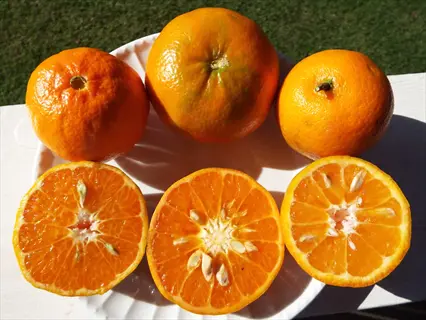
- Origin: Originated in 1867 from a Moragne tangerine seed in the grove of Colonel F. L. Dancy at Orange Mills, Florida, and is one of the oldest tangerine varieties known in Florida.
- Fruit: Bears deep reddish-orange, thin, leathery, easy-peel fruit about 2.25 to 2.5 inches (5.7 to 6.4 cm) across, with anywhere from 6 to as many as 20 seeds inside.
- Season: Ripens from December into January, which makes it the classic holiday and Lunar New Year tangerine in many warm-climate gardens.
- Tree: Grows into a large, vigorous, upright tree with few thorns and fair cold hardiness, though its thin-skinned fruit is far less cold tolerant than the wood.
- Quirk: Shows pronounced alternate bearing, swinging between a big crop of small fruit one year and a small crop of large fruit the next, and is susceptible to Alternaria fungal disease.
- Best for: Gardeners who want a traditional, bold-flavored tangerine and do not mind seeds or a yield that swings from year to year.
Owari Satsuma
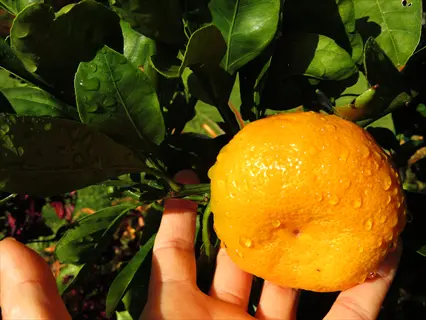
- Cold tolerance: The classic cold-hardy choice, a type of mandarin that tolerates temperatures down to roughly 14°F once the tree is well established and acclimated.
- Track record: Owari and related satsumas endured about 16.5°F during the December 2022 freeze in Clemson Extension field studies, which makes them dependable north of warmer citrus zones.
- Fruit: Produces sweet, low-acid, near-seedless fruit with a loose skin that slips right off, which is ideal for fresh eating and for children.
- Season: Matures in late November but holds its quality on the tree for only about 4 to 6 weeks, so pick within that window.
- Tree: Forms a smaller, somewhat drooping tree that suits containers and tighter spaces better than a vigorous Dancy.
- Best for: Cooler-zone growers and anyone wanting the most cold-reliable, easy-eating tangerine on this list.
Clementine
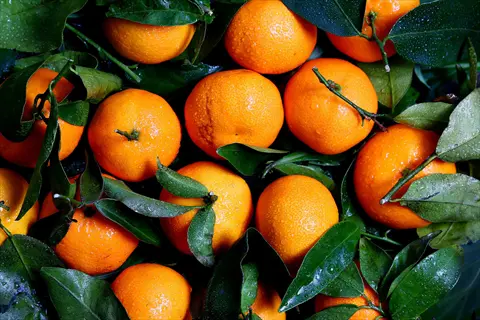
- Fruit: Offers small, sweet, low-seed to seedless fruit with a glossy, easy-peel rind that has made it one of the most popular fresh-market mandarins worldwide.
- Flavor: Delivers a bright, sweet-tart balance that many growers consider the benchmark snacking tangerine for lunchboxes and fresh eating.
- Pollination: Sets the best crop with a second compatible variety nearby, reinforcing the cross-pollination advantage tangerines share as a group.
- Tree: Grows into a compact, manageable tree that adapts well to large containers in cooler regions.
- Season: Tends to ripen in the cooler months, giving a steady supply of small fruit through the winter eating season.
- Best for: Households that want a heavy supply of small, sweet, kid-friendly fruit and can provide a pollinator partner.

Sugar Belle
- Breeding: A hybrid mandarin developed by the University of Florida and bred specifically for tolerance to citrus greening, a major advantage in regions where that disease is present.
- Cold tolerance: Handles temperatures down to roughly 18°F, which puts it among the more cold-resilient mandarins for marginal zones.
- Fruit: Produces large, bell-shaped, rich sweet fruit with a deep flavor that stands out from lighter, milder mandarins.
- Season: Ripens from November into December, fitting neatly into the early winter harvest window alongside satsumas.
- Tree: Grows fast and rewards a sunny, well-drained site with reliable, flavorful crops.
- Best for: Growers in greening-affected areas who want both disease resilience and a standout-flavored fruit.
Honey (Murcott)
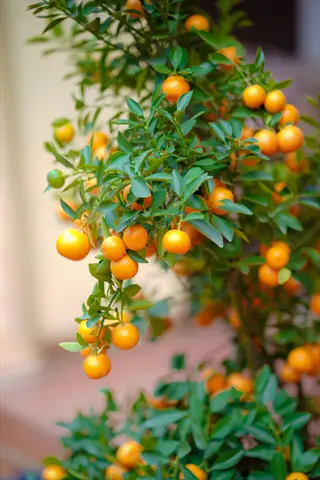
- Flavor: Lives up to its name with exceptionally sweet, rich, honey-like flesh that ranks among the most flavorful tangerines you can grow at home.
- Fruit: Bears medium, deep-orange fruit with a thin rind and a glossy finish that is prized for fresh eating.
- Heritage: Is one of the newer hybrids that has replaced much of the old Dancy acreage on farms, alongside Robinson and Sunburst.
- Season: Ripens later in the season, extending the fresh tangerine harvest into late winter in warm zones.
- Tree: Performs best in full sun with steady moisture and benefits from a pollinator partner for the heaviest set.
- Best for: Flavor-focused gardeners who want the sweetest possible tangerine and can grow in a warm, frost-protected spot.
Does your winter dip below freezing? Then start with the Owari satsuma or another cold hardy mandarin. Add a second variety too, since it helps fruit set. Warm-zone growers with frost cover can chase the richer taste of Honey or Sugar Belle. Match the tree to your coldest night. Do that and you get fruit every year.
Sun, Soil, and Site
Sun comes first. Like every full sun citrus, a tangerine wants six or more hours of direct light each day to set sweet fruit. Plant it in shade and you get a leafy tree with thin yields and weak winter growth. Give it the brightest open spot in your yard and the tree rewards you with denser foliage, more flowers, and richer color in the peel.
Drainage matters just as much as light. Think of well-drained soil like a wrung-out sponge that stays damp but never drips, not a bucket that holds standing water. Roots need air pockets to breathe, and soggy ground chokes them and feeds root rot. Sandy loam works best, and a raised bed or gentle slope helps if your yard turns to mud after rain.
Now the part most guides get wrong. Some sources call tangerine soil neutral. But the soil pH for tangerine trees should sit slightly acidic, around 5.5 to 6.5, per UF/IFAS and Clemson extension data. That window lets roots pull iron, zinc, and other nutrients out of the soil. If a soil test reads below 5.0, work in dolomitic limestone to raise it. Above 7.0 and you'll see yellow leaves from locked-up nutrients.
Where you place the tree decides how well it survives cold snaps. In the cooler edges of USDA hardiness zones 9 and below, a southern exposure does real work. Set the tree against a south-facing wall. The wall soaks up daytime heat and gives it back at night. Keep the tree near a pond or large body of water if you can. Skip low spots where cold air pools, since those frost pockets cause the most common tangerine losses. Give each tree at least 15 feet (4.5 m) of room so air moves freely and disease stays low.
Do not amend a planting hole with peat or pile mulch against the trunk. Trapped moisture at the base invites root and crown rot, the quiet killer of young tangerine trees. Keep mulch at least 1 foot (30 cm) back from the bark.
Growing in a pot? The same three targets hold. Your container tangerine still wants full sun, fast drainage through holes in the base, and that slightly acidic mix near a pH of 6. The one change is pace. Pots dry out faster than open ground, so check the top inch of soil more often and water before the roots ever sit dry.
Planting and Pollination
Most citrus pollinates itself, but tangerines are the exception that trips up new growers. They set their best crop with two or more varieties planted close together, so the smart move happens before you buy. Pick a main tree, then pick its partner the same day.
My lone Dancy sat in the low corner of my coastal South Carolina yard, a zone 9a frost pocket. Each spring I watched it foam with white blooms. Then the petals dropped and almost nothing held. I counted a handful of fruit off a tree buried in flowers, two seasons running. So I planted an Owari satsuma beside it against the south brick wall, and the next fall my Dancy hung heavy. The satsuma had given the bees a second variety to work.
That is cross-pollination doing its job. Pair a Dancy with an Owari satsuma or a Clementine and you get reliable set instead of empty branches. One tree alone may flower for years and still leave you short, so plan for a partner from the start.
Knowing how to plant a tangerine tree the right way protects that crop too. Start with a grafted tree from a nursery, never a seed. Seed-grown trees seldom grow large enough to flower, and the ones that do make you wait years longer for it. Choose a full-sun spot with soil that drains well, and keep it away from those cold low corners when you can.
Dig a hole the same depth as the root ball and 2 to 3 times as wide. Set the uppermost roots at or slightly above the soil line, since a tree buried too deep rots at the crown. Backfill with the native dirt, water it in well, and leave at least 15 feet (4.5 m) between in-ground trees. That spacing gives each tree room and still keeps two varieties close enough for bees to carry pollen back and forth.
Short on ground or stuck in a cold zone? Planting tangerine in a pot lets you roll the tree indoors before a hard freeze. Use a wide container with drain holes. Set the root ball at the same depth it grew at in the nursery. Then shake the open flowers by hand to move pollen, since indoor trees get no help from bees.
Buy a grafted nursery tree rather than starting from seed, because seed-grown tangerines seldom grow large enough to flower and fruit and take far longer to do so.
Select a full-sun site with well-drained soil, ideally near a south-facing wall and away from low frost pockets, leaving at least 15 feet (4.5 m) between trees.
Dig a hole the same depth as the root ball and 2 to 3 times as wide, loosening the sides so new roots can spread outward easily.
Place the tree so the uppermost roots sit at or slightly above the surrounding soil line, matching the depth it grew at in the nursery container.
Backfill with the native soil, firm gently, and water deeply to settle the roots, keeping mulch at least 1 foot (30 cm) away from the trunk.
Plant a second compatible variety nearby so the trees can cross-pollinate, since tangerines set their best crop with two or more varieties close together.
Buy your pollinator partner at the same time as your main tree. Tangerines are the citrus exception that fruit best with cross-pollination, and a lone tree may flower for years yet set disappointing fruit.
Watering and Fertilizing
Watering tangerine tree roots is simplest in the first month after planting. Fill a basin around the trunk that holds 5 to 10 gallons (19 to 38 liters) and soak it twice each week. That slow, deep watering pushes moisture down to the new roots and helps them settle into the soil.
After that first month, throw out the fixed calendar and read the tree instead. Water when the new growth wilts in mid-afternoon, then give it another deep soak. Soggy soil that never dries is not a sign of a happy tree. It is a warning that root rot could set in, so let the top few inches dry before you water again.
Feeding works best when you think of citrus fertilizer like meals for a growing child. A young tree wants small, frequent servings, while a mature tree takes larger ones. You never pile a week of food onto one plate, and you never dump a year of NPK on a tree at once.
Fertilizing tangerine trees scales with age, and the UF/IFAS Extension lays out the steps. In year one you feed an 8-8-8 blend every 6 weeks from February to October, which works out to 6 applications. Nitrogen rises as the canopy grows because a bigger tree needs more fuel to set fruit and push new leaves. The chart below shows the amounts by age.
Indoor and container trees play by softer rules. The University of Minnesota Extension says to feed them only while they grow. That window runs from about April through September. Pick a fertilizer for acid-loving plants and use it at half strength, so you do not burn the few roots inside the pot.
Stop fertilizing after July in freeze-prone areas. Late feeding pushes out tender new growth that has no time to harden, and that succulent growth is the first thing cold damages.
Cold Protection and Winter Care
Winter is what kills most tangerine trees in marginal zones. A single hard freeze can wipe out a tree you spent years growing. Good winter tangerine tree care is not about bringing the pot inside and hoping. It is about a few specific moves that keep the living part of the tree alive when the cold comes.
The good news is that mandarins and satsumas are cold hardy citrus, among the toughest of the whole family. A satsuma can take cold down to about 14°F (-10°C). A calamondin starts to fail closer to 22°F (-6°C). Knowing your variety's limit tells you how hard you must work each winter.
Age matters more than people think. Trees grow tougher as they mature, and a string of chilly nights before a frost actually pushes the tree to harden up on its own. A young tree in its first winter has none of that built-in armor yet. So give a first-winter tree far more frost protection than an established one that has weathered a few seasons.
The heart of all this is graft union protection. Your tangerine is a grafted tree, and the graft union is the joint where the fruiting top meets the rootstock. If a freeze kills that joint, the part you care about dies even if the roots survive. Soil banking guards it. You mound soil over the graft union from November through March. Think of it as a thick blanket tucked around the tree's weakest spot. Then you pull the mound away in spring.
Work through this checklist before the first hard freeze hits, and you give an in-ground tree its best shot at coming through winter unharmed.
- Bank the graft: Mound soil over the graft union from November through March to protect the most cold-sensitive joint, then remove it in spring.
- Site smart: Plant near a south-facing wall and a body of water, and avoid low frost pockets where cold air settles on still nights.
- Pre-soak: Soak the soil thoroughly before a forecast freeze, since moist soil banks daytime heat and releases it overnight.
- Cover young trees: Wrap or cover the canopy of young trees during hard freezes, since they are far less hardy than established ones.
- Move container trees into a bright, cool indoor spot before the first hard freeze.
- Let chilly nights before a frost acclimate the tree rather than shielding it from every cool spell.
Where you plant the tree does a lot of the work for free. A south-facing wall soaks up sun all day and gives that warmth back at night. A nearby pond or large water feature steadies the air around the tree too. Skip the low spots in your yard, because cold air sinks and pools in those frost pockets on still nights.
Container growers get the easiest job of all. Just move the pot into a bright, cool indoor spot before the first hard freeze, then carry it back outside once nights stay mild again. No soil banking, no covers, no scrambling when the forecast turns.
Satsuma varieties, such as Owari, Brown's Select, Tango, and Gold Nugget, have performed well in lab and in-field studies. These varieties endured temperatures of 16.5°F during the Christmas freeze of 2022.
Pests, Diseases, and Fixes
A sticky, shiny film coated the lower leaves of my Owari satsuma by the patio one summer. I spotted a sooty black coating under it, dull and grimy, and the underside of each leaf was dotted with tiny brown bumps. That was scale. I wiped the leaf undersides clean and sprayed horticultural oil. A check every few days kept it from creeping up into the canopy.
Most tangerine tree pests and diseases start as stress, not bad luck. Soggy soil and poor drainage weaken the roots first, and a tired tree draws in pests faster than a healthy one. So your real first defense is healthy roots and good airflow, long before you reach for any spray.
The trouble splits into three groups you can treat at home. Spider mites, scale, and other sap-suckers leave sticky residue. Root rot creeps in from the soil and fakes the look of thirst. Fungal trouble like Alternaria and the incurable citrus greening round out the list. Here is how to spot each one early and fix it the right way.
Scale, Whitefly, and Spider Mites
- Signs: Look for sticky honeydew, sooty black mold, fine webbing, or tiny bumps and specks on stems and the undersides of leaves, which are the most common indoor citrus pests.
- Cause: These soft-bodied and sucking pests thrive on stressed, dusty plants and spread fast in the warm, still air of an indoor or sheltered tree.
- Fix: Wipe leaves clean including the undersides, then treat with horticultural oil or insecticidal soap, repeating as directed until the population is gone.
- Prevent: Keep leaves clean and inspect often, since catching an infestation early is far easier than clearing a heavy one later.
Root Rot and Drainage Problems
- Signs: Watch for yellowing leaves, wilting despite moist soil, and a sour, waterlogged root ball, which point to root rot rather than thirst.
- Cause: Root rot follows soggy, poorly drained soil, often from overwatering, heavy clay, or mulch piled against the trunk holding moisture at the base.
- Fix: Correct the drainage by improving the soil or repotting into a faster-draining mix, and water less rather than more until the tree recovers.
- Prevent: Plant in well-drained soil at pH 5.5 to 6.5, keep mulch 1 foot (30 cm) from the trunk, and let the surface dry between waterings.
Alternaria and Fungal Diseases
- Signs: Dancy and similar varieties can show leaf spotting, defoliation, and crop loss from Alternaria fungal disease, especially in humid conditions.
- Cause: Fungal diseases spread in still, damp air and on foliage that stays wet, and some varieties such as Dancy are more prone to them by nature.
- Fix: Improve airflow, remove and dispose of affected leaves and fruit promptly, and water at soil level so foliage stays dry.
- Prevent: Choose more resistant varieties where disease pressure is high, space trees well, and avoid overhead watering late in the day.
Citrus Greening (HLB)
- Signs: Look for blotchy yellow mottling on leaves, lopsided bitter fruit, and overall decline, the hallmarks of citrus greening spread by the Asian citrus psyllid.
- Cause: The disease is carried by a tiny insect and has no cure once a tree is infected, making prevention and resistant stock essential.
- Fix: There is no home cure, so remove confirmed infected trees to protect others and follow any local movement regulations on citrus.
- Prevent: Choose tolerant varieties such as the University of Florida's Sugar Belle in affected regions and buy from clean, certified nursery stock.
Harvest, Pruning, and Yield
Patience is the part to plan for. A grafted tree needs about 5 years to flower and fruit, per Clemson. So the first few seasons are about building roots and a strong canopy. The timeline below maps what happens from planting day to your first picked batch.
Years 1 to 4
A grafted tree establishes roots and canopy; expect little to no fruit, and resist the urge to prune hard or rush a crop.
Around Year 5
Grafted mandarins and tangerines typically begin to flower and fruit, with citrus flowering in mid to late spring.
Late spring bloom
Fragrant flowers open and, with a pollinator partner nearby, set the fruit that will ripen later in the year.
Harvest window
Satsuma matures in late November and holds quality on the tree only 4 to 6 weeks; Dancy ripens December into January.
Year to year
Older varieties like Dancy show alternate bearing; light thinning in a heavy year steadies the swing between big and small crops.
Knowing when to harvest tangerines comes down to color, taste, and easy release. The date on the calendar matters less than the fruit itself. Satsuma matures in late November, but it holds its quality on the tree only 4 to 6 weeks, per UF/IFAS. So you pick in batches once the fruit colors up and twists free with ease. Fruit also keeps better on the tree than off it, which buys you time.
How you pick matters as much as when. Dancy has a thin peel that tears if you tug. So clip the stem with shears instead of pulling, a small rule UF/IFAS spells out. Clip close to the fruit and leave the rest of the cluster to ripen. One careless yank can split the skin and start rot before the tangerine reaches your kitchen.
Some seasons your tree sets far more fruit than others, and that is normal. Older varieties like Dancy show alternate bearing. They swing between a heavy crop of small fruit one year and a light crop of large fruit the next. Thin a little fruit in a heavy year to even out the cycle, which steadies the yield and grows bigger tangerines. Do not panic over early fruit drop either. A young tree often sheds tiny green fruit it cannot feed, and the ones that stay are the keepers.
Mature citrus trees do not require pruning of the canopy for production or tree health except when substantial injury occurs following disease or freeze damage. Unnecessary pruning often will reduce fruit production.
Restraint wins with a pruning tangerine tree routine. Think of a mature tree as a settled, productive worker, and cutting it back hard every year only interrupts the job. Prune just to remove damaged or diseased wood, plus the odd crossing branch that rubs. Skip the heavy annual haircut, and your tree will reward you with more fruit and less stress.
5 Common Myths
One tangerine tree on its own will always set a full crop because all citrus is self-pollinating.
Tangerines are the citrus exception. Clemson Extension notes they benefit from cross-pollination, so two or more varieties give far more reliable fruit set.
A tangerine tree will reliably give you a real harvest within three to four years of planting.
Clemson Extension finds grafted mandarins and oranges usually need about five years before they flower and fruit, so plan for a longer wait.
Tangerines are tropical and any frost will quickly kill the tree outright every single time.
Tangerines are among the most cold-hardy citrus. Satsuma mandarins tolerate about 14F (-10C), and varieties survived 16.5F (-8.6C) in the 2022 freeze.
You should prune a mature tangerine tree hard every year to push it into producing more fruit.
UF/IFAS Extension states mature citrus needs no canopy pruning except after disease or freeze injury, and unnecessary pruning reduces fruit production.
Tangerine trees want neutral soil and plenty of fertilizer right up until the first winter frost.
Optimal soil pH is about 5.5 to 6.5, and Clemson advises against fertilizing after July so tender growth hardens before cold arrives.
Conclusion
Good tangerine tree care comes down to a few facts you now know cold. A tangerine is a cold hardy citrus type of mandarin, so it shrugs off chills that would wreck a lemon or lime. Pick the right spot, the right variety, and stay patient. The tree does the rest.
Keep the big decisions front of mind. Plant two varieties so the flowers can cross-pollinate, since tangerines often need a partner to set a full crop. Expect about 5 years before a grafted tree fruits, not the 3 years many blogs promise. Aim for a soil pH between 5.5 and 6.5, and shield the graft union every winter when frost threatens.
Here is the line that separates a fruiting tree from a frustrating one. Treat winter cold protection and a pollinator partner as day-one essentials, not fixes you bolt on later. The growers who plant for both from the start are the ones who fill a bowl each season. The ones who skip them spend years staring at a healthy green tree that never gives them a single fruit.
Growing the plant itself is the easy part. Coaxing it to bear that sweet fruit is the real craft, and you have the tangerine varieties, the site, and the timeline to pull it off. Give a tangerine tree the right start and a little patience, and it will reward you with fruit for decades. That is the quiet payoff of growing tangerines well.
Glossary
- Alternaria
- A fungal disease that causes leaf spotting, defoliation, and crop loss in susceptible citrus such as Dancy.
- alternate bearing
- A natural cycle where a tree swings between a heavy crop one year and a light crop the next.
- citrus greening (HLB)
- An incurable disease spread by the Asian citrus psyllid that yellows leaves and produces bitter, misshapen fruit.
- Citrus reticulata
- The botanical species name for mandarins, the group that tangerines belong to.
- cross-pollination
- Fruit set that depends on pollen moving between two different varieties rather than within one tree.
- graft union
- The joint where the fruiting variety is attached to a separate rootstock, and the most cold-sensitive part of the tree.
- rootstock
- The lower root portion of a grafted tree onto which a chosen fruiting variety is joined.
- soil banking
- Mounding soil over the graft union in winter to protect it from freezing temperatures.
External Sources
Frequently Asked Questions
What is a tangerine tree?
A tangerine tree is an evergreen citrus, a type of mandarin (Citrus reticulata), that produces small, sweet, loose-skinned orange fruit and is among the most cold-hardy citrus.
What is the difference between a mandarin tree and a tangerine tree?
A tangerine is a type of mandarin. Mandarin is the broad species group; tangerine is a subgroup, typically with a deeper reddish-orange, easy-peel rind.
How long does a tangerine tree take to grow?
A grafted tangerine tree usually needs about five years before it flowers and fruits. Seed-grown trees rarely fruit at all and take far longer.
Where is the best place to plant a tangerine tree?
Plant in full sun in well-drained soil, ideally near a south-facing wall or body of water and away from low frost pockets, with at least 15 feet (4.5 m) of room.
What should you not plant next to citrus trees?
Avoid planting thirsty or shading plants, aggressive grasses, and anything close to the trunk, since citrus dislikes root competition and crowded, damp bases.
Do tangerine trees need a pollinator?
Most citrus is self-fertile, but tangerines are the exception and fruit best with cross-pollination, so plant two or more varieties for a reliable crop.
What is the life expectancy of a tangerine tree?
A healthy, well-sited tangerine tree can live and fruit for several decades. Lifespan depends most on cold protection, drainage, and disease pressure.
How cold can a tangerine tree tolerate?
Tangerines are among the most cold-hardy citrus. Satsuma mandarins tolerate roughly 14F (-10C), and varieties endured 16.5F (-8.6C) in the 2022 freeze.
Can you grow a tangerine tree indoors?
Yes. Indoor tangerines need direct sun for part of the day, about 65F (18C) days, half-strength feeding while growing, and hand-pollination since insects are absent.
Is a tangerine healthier than an orange?
Tangerines and oranges are both nutritious citrus with similar vitamin C and fiber. Neither is dramatically healthier; tangerines are smaller, sweeter, and easier to peel.