Vegetable · Cucurbitaceae
Honeydew Melon
Cucumis melo
Give it full sun, warm soil, and an unhurried season, and honeydew crowns late summer with sweet, cooling fruit.
Full sun
Every 7–10 days
70–90°F · 21–32°C
80–110 days
Overview
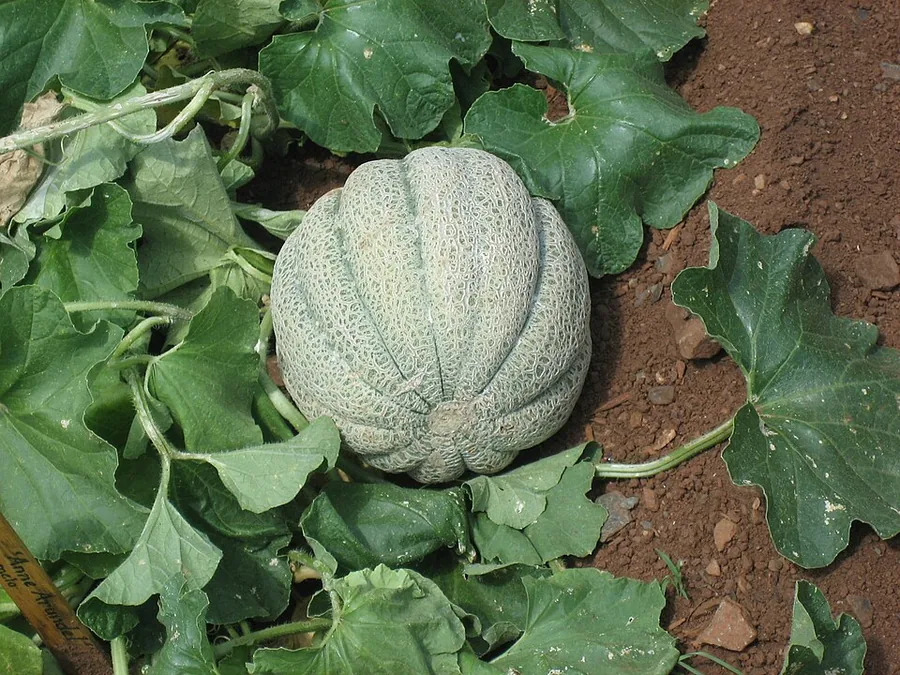
Honeydew is the melon of high summer at its most composed: creamy skin, sweet green flesh, and a place at the center of the season's table. It is a warm-season vine in the gourd family, the same species as cantaloupe yet an altogether quieter presence in the bowl. Where cantaloupe arrives netted and musky, honeydew is smooth, cool, and clean.
Two habits shape the way it earns its keep in a garden. It asks for a long, warm season of 80 to 110 days to sweeten in full, and it never slips from the vine as a cantaloupe will, a small distinction that quietly rewards the patient grower. New gardeners wait for the fruit to fall and gather it too late. The surer signals are a rind turning creamy and a blossom end that gives softly beneath a thumb, the moment it belongs on a summer sideboard.
None of this makes honeydew demanding, though it does favor patience and a settled routine. Give the vines room to sprawl across an open bed, water deeply but seldom, and choose a bright corner where the air keeps moving through. Crowd them or leave the leaves damp and you invite the mildews and wilts that draw a season to a premature close.
Care
The short version: full sun and warm, fertile, well-drained soil, with deep watering of about 1 to 2 inches a week that eases off in the final week so the sugars gather. Give each plant generous room and a long, warm season to ripen into the fruit that anchors a late-summer table.
Light
Honeydew wants full sun, and every additional hour of it tells in the eating. Sun is what lays down the sugars, so a plant kept in shade yields watery, flavorless fruit even when the rest of the routine runs true.
Water
Water deeply but seldom, around 1 to 2 inches a week, letting the soil dry a little between drinks rather than sitting wet. The gesture that matters most comes at the close: ease back on water in the last week before harvest, since a late soaking dilutes the sugars and dulls the flavor.
Soil
Set honeydew into fertile, well-drained sandy loam worked through with organic matter. A slightly acidic pH of 6.0 to 6.5 suits it, and clean drainage keeps the roots and crown clear of the rots that gather in heavy, wet ground.
Temperature
Honeydew is at ease in genuine warmth, between 70°F and 90°F (21°C to 32°C). Frost at either edge of the season is out of the question, and cool, overcast spells slow the ripening and leave the fruit bland.
Humidity
Everyday outdoor humidity serves it well, so there is no figure to chase. What counts far more is airflow, since the still, damp air pooling among crowded leaves is precisely the setting powdery and downy mildew look for.
Feeding
Work a balanced fertilizer such as 5-10-10 into the bed before planting, then side-dress with a nitrogen feed like 21-0-0 once the vines begin to run. Steady feeding through that vining stretch builds the strong frame that carries the fruit to the table.
Pruning
Honeydew asks for little pruning. Pinch back the vine tips to keep a sprawling plant within its bed, and late in a short season, take off the newest blossoms so the plant turns its energy toward ripening the melons already set.
Repotting
Repotting has no place here, since honeydew grows as an annual, direct-sown or transplanted a single time. Where seed is started early, sow into biodegradable pots and plant the pot whole, since the roots take poorly to disturbance.
Size & spacing
The vines range 6 to 9 feet (183 to 274 cm), so leave them room to wander across the bed. Set plants 18 to 24 inches (45 to 60 cm) apart with generous aisles between rows for the runners and for air to pass through.
When to plant
Honeydew keeps no company with the cold and wants a long season of warmth to sweeten. Start seeds indoors a few weeks ahead of the last frost, move the plants outdoors only once the soil has warmed, and gather the harvest from late summer into early fall as the rinds turn creamy, in step with the season's slow, golden close.
Northern hemisphere
Southern hemisphere
Typical months for a temperate climate: start earlier in warm zones, later where spring frosts linger.
- Sow: start in biodegradable pots 2 to 4 weeks before the last frost; melons resent root disturbance
- Plant: transplant or direct-sow after frost once soil is 60 to 70°F (16 to 21°C)
- Harvest: harvested late summer into early fall when the rind turns creamy and the blossom end softens
Hardiness
USDA hardiness zones: 3–11
Temperature: down to -40°C
Troubleshooting
Most of what troubles a honeydew shows first on the leaves and vines, with an occasional letdown held in reserve for the fruit at harvest. Notice the early signs and there is room to step in before a fungus or a beetle claims the crop. Match what you see below, then act while it still counts.
Vines folding even while the soil stays moist
A vine that folds while the soil stays damp is the signature of bacterial wilt, ferried plant to plant by cucumber beetles. To be certain, cut a wilted stem, press the ends together, then draw them apart and look for sticky white strands. An affected vine cannot be saved, so lift it, dispose of it, and bring the beetles under control before the trouble travels on.
Fix:
- Remove and destroy infected vines
- Control cucumber beetles promptly
Runners fading and collapsing along one side
A lopsided decline, yellowing and dying along one side of the plant, is the fingerprint of Fusarium wilt, a soil fungus that closes the vine off from within. Split a wilting stem and brown streaking through the tissue confirms it. There is no remedy, so lift the plant and keep it out of the compost, then favor resistant cultivars and rotate the bed for 3 to 4 years.
Fix:
- Remove affected plants; there is no cure
- Do not compost diseased vines
Sunken stem cankers weeping amber gum
Reddish, gummy ooze along the stems announces gummy stem blight, a warm, wet-weather fungus that carries into the fruit as rot. Tan leaf spots and small black specks in the tissue confirm the case. Cut out and destroy the infected vines, treat with a labeled fungicide, and settle the bed well away from cucumbers and squash.
Fix:
- Remove and destroy infected vines and debris
- Apply a labeled fungicide
- Rotate away from cucurbits
A pale, powdery bloom settling on the leaves
A pale, dusty bloom across the foliage is the calling card of powdery mildew, a fungus drawn to warm, still air pooling among crowded leaves. Open the planting so a breeze can move through, take out the worst leaves, and keep a labeled fungicide in reserve for the times it refuses to slow down.
Fix:
- Improve spacing and air flow
- Remove badly infected leaves
- Apply a labeled fungicide if severe
Sharp yellow spots fenced in along the veins
Yellow blotches framed sharply by the veins are the mark of downy mildew, a trouble that arrives with cool, wet, humid weather. Turn a leaf and gray to purple fuzz beneath settles the matter. Water in the morning so the foliage dries quickly, give the planting more space to breathe, and reach for a labeled fungicide should it start to travel.
Fix:
- Improve airflow and drainage
- Water early so leaves dry fast
- Apply a labeled fungicide if severe
Beetles at work on chewed leaves and blooms
Yellow beetles dressed in black stripes or spots are cucumber beetles, and it is the bacterial wilt they carry, more than the chewing, that does the harm. Keep young plants under floating row covers until they flower, pick off the beetles by hand as you find them, and hold a labeled insecticide for the seasons they arrive in numbers.
Fix:
- Cover young plants with floating row covers until bloom
- Hand-pick beetles
- Apply a labeled insecticide if numerous
Curled leaves gummed with residue and sooty mold
Curling leaves left sticky and darkened with a black film point to melon aphids, which gather on the undersides, draw sap, and leave the residue that sooty mold then colonizes. A firm jet of water clears most, insecticidal soap tidies the stragglers, and lady beetles and lacewings keep the numbers down. Ants deserve attention too, since they shelter aphids to gather their honeydew.
Fix:
- Spray plants with a strong jet of water
- Apply insecticidal soap
- Encourage lady beetles and lacewings
Fruit that ripens flat and lacking sweetness
A flat, disappointing honeydew nearly always tells the story of a harvest taken too soon. Let the rind turn creamy and the blossom end yield a little beneath a thumb, since honeydews stay put on the vine rather than slipping free the way cantaloupes do. Ease off the water in the final week as well, since a heavy drink so late thins out the sweetness.
Fix:
- Leave fruit on the vine until the rind turns creamy and the blossom end gives slightly
- Reduce watering during the last week before harvest
Toxicity
For a home with animals underfoot, honeydew is easy company: every part of the plant is non-toxic, and the ripe flesh is a safe, refreshing thing to share around the kitchen. The only cautions are the sensible sort, since the tough rind and seeds are hard to digest and are best left off an animal's plate.
Safe for
People · Cats · Dogs · Horses · Rabbits · Livestock · Birds
Cats None
A small taste of the ripe flesh does a cat no harm. Offer too much and the worst is a little loose stool, since a cat handles fruit sugar poorly.
Dogs None
Ripe honeydew makes a lovely occasional treat for a dog. Keep the serving modest, since a generous helping of the sweet flesh can bring on a mild stomach upset.
Horses None
A slice of the flesh suits a horse perfectly well. Set the rind aside, though, since it is tough and easy to choke on.
Rabbits None
The flesh is safe in the smallest amounts, rich and sugary though it is for a rabbit. A piece the size of a thumbnail, now and then, is quite enough.
Livestock None
Goats, sheep, and cattle take melon scraps without harm and often with real appetite. The vines and leaves hold nothing toxic either.
Birds None
Chickens and other backyard birds gladly pick at ripe honeydew and its seeds. Not a single part of the plant carries a toxin to worry about.
People None
Ripe honeydew is a sweet, cooling fruit enjoyed the world over and safe for all, the youngest included.
Offer only small amounts of ripe, seeded flesh; rind and seeds are tough to digest and can cause stomach upset or choking.
Varieties
Honeydew varieties gather chiefly around two questions: how soon they ripen and what color the flesh reveals. These are the names worth carrying to the seed rack.
Honey Dew (Green Flesh)
This is the classic winter melon, its smooth, waxy rind ripening from cream to pale green over sweet, pale green flesh, and it clings to the vine rather than slipping free.
Earlidew
A green-fleshed honeydew that ripens early, which makes it a graceful answer for a garden whose season runs short.
Temptation
An early hybrid bred to sweeten quickly in the cooler, shorter-season gardens that might otherwise leave a honeydew bland.
Orange-fleshed honeydew
It wears the same smooth pale rind as a green honeydew, then reveals salmon-orange flesh within.
How to propagate
Honeydew begins and ends with seed, so the whole affair comes down to sowing at the right moment and treating the tender roots with a light hand.
SeedEasy
Start indoors 2 to 4 weeks before the last frost, or direct-sow after soil reaches 60 to 70°F (16 to 21°C) · Germinates in about 4 to 10 days at 70 to 90°F (21 to 32°C)
Seed is the whole of it where honeydew is concerned. Sow indoors 2 to 4 weeks before your last frost, or set seed straight in the ground once the soil holds at 60°F to 70°F (16°C to 21°C), and in that warmth the seedlings appear within 4 to 10 days. Choose biodegradable pots and plant the pot entire, since melons take poorly to any disturbance at the root.
Myths
When ripe, a honeydew lets go of the vine the way a cantaloupe does.
Honeydews do not slip. The fruit holds fast and has to be cut from the vine, so waiting for it to fall leaves you only with an overripe melon. Judge it ready instead by the rind turning creamy and the blossom end softening.
A generous drink just before harvest makes for a sweeter melon.
The reverse is true. A flood of water in the final week of ripening dilutes the fruit and washes out the sweetness. The sugars come of full ripening and sun, which is why the watering eases off as harvest draws near.
A honeydew is simply a cantaloupe in another form.
The two share a single species, Cucumis melo, yet belong to different groups. Honeydew is a smooth-skinned winter melon in the Inodorus group, while cantaloupe and muskmelon carry the netted rind of the Reticulatus group, and each ripens and leaves the vine in its own manner.