
Picture one hardy kiwi shoot. In a single summer it flings itself 20 feet across a yard. Then it buries a lilac under a thick blanket of leaves. That picture sums up kiwi vine invasiveness for most gardeners. The plant is not on the invasive list in many regions. But it grows so fast it acts like one when nobody keeps it in check.
Two ideas get mixed up here, so split them apart. Aggressive growth and a formal invasive label are not the same thing. An aggressive hardy kiwi can climb 20 to 30 feet up a tree. That does not mean every state or county lists it as a banned species. The threat is mostly local. It depends on how you site the vine and how often you prune it.
Hardy kiwi is the cold-tough cousin of the fuzzy grocery store fruit. It throws out long woody runners that reach for anything tall. Left alone, those runners wrap trees, shrubs, fences, and even gutters. The vine does not poison its neighbors. It smothers them by blocking sunlight. A shaded shrub slowly starves under the weight and dies back branch by branch. The same wood that holds your fruit can crack a weak fence rail or pull down a thin tree limb after a few seasons.
The numbers explain why this happens so fast. A healthy vine can gain up to 20 feet (6 meters) of new growth in a single season. A mature plant pushes out dozens of these shoots at once, so the canopy thickens far quicker than most people expect. This is why hardy kiwi needs more pruning than almost any other fruiting vine in the garden.
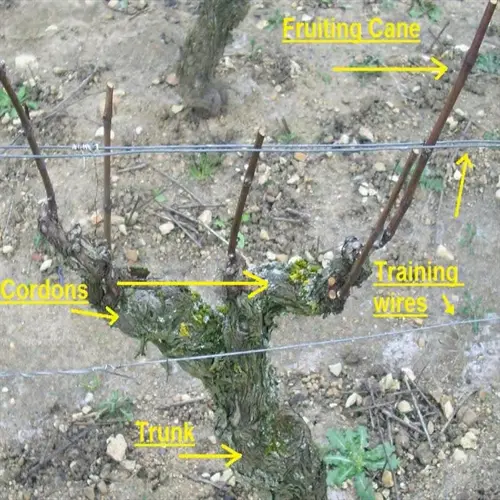
Strong pruning is the real fix, not a magic spot in the yard. Each winter you should cut back hard and remove up to 70% of the wood, leaving a clean framework of main arms. Then a lighter summer trim keeps the new shoots in bounds while the fruit ripens.
Treat hard pruning as a yearly habit, not an emergency. A vine you cut back by 70% every winter stays inside its trellis and fruits better than one you only trim when it has already taken over.
Where you plant it matters as much as how you cut it. Build a strong dedicated trellis rated for a heavy vine, since a mature plant can weigh hundreds of pounds. Set it well away from trees, shrubs, and the house so wandering shoots have nothing tall to grab and ride upward. A little open space around the base also makes the yearly pruning far easier to reach.
Kiwi vine spreading also happens at ground level, not just overhead. Low runners root where they touch damp soil. That is how a tidy plant turns into a tangled thicket within a couple of years. Walk the base a few times each season. Pull or cut any shoot heading for open ground before it sets roots, since rooted runners are far harder to remove later.
One more step protects more than your own yard. If you garden near woods, a stream, or any wild edge, check your local extension office or invasive plant list before you plant. A few areas in the eastern United States do flag hardy kiwi as a problem, and that local guidance should drive your choice.
So are kiwi vines invasive? Not by formal listing in most places, but yes in the sense that counts day to day. The real story behind kiwi vine invasiveness is speed, not poison. Give it a heavy trellis, prune hard in winter, trim again in summer, and watch the ground for runners. Do those four things and the vine stays a fruit producer instead of a yard takeover.
Read the full article: How to Grow a Kiwi Vine: Full Guide