
Introduction
A healthy grapefruit tree rewards you with more fruit than your family can eat. Think of it as a sun-loving guest in your yard. It wants steady warmth, sharp drainage, and regular meals, and it pays you back for years. Get those few things right and the tree mostly takes care of itself.
Grapefruit is the only citrus that started in America, and growers here still take it seriously. The USDA forecasts the 2024 to 2025 crop at 299,000 tons. That scale tells you something simple. This tree is forgiving once it settles in, and you can match those results at home with the right plan.
This guide hands you the full care plan. You get a real fertilizing schedule, honest pest and disease control, and clear harvest timing so you pick fruit at its sweetest. Every stage of the tree's life is here, with each step spelled out in plain terms you can act on today.
Good citrus tree care comes down to a few non-negotiables. Your tree needs full sun for 6 to 8 hours a day. It also needs well-drained soil that never stays soggy. Grapefruit grows outdoors in USDA zones 9 to 11. Live somewhere colder? Grow it in a container and move it inside for winter. This guide covers both yard growers and pot growers.
From here we walk the whole lifecycle of growing grapefruit. You will go from picking a variety and planting it to the day a mature tree drops a 250 pound harvest. Let's start with the trees worth planting.
Best Grapefruit Tree Varieties
One August the single Ruby Red grapefruit in my south-facing back corner dropped over 80 fruit, more than the rest of the yard put together. The white-fleshed tree I planted first gave me a handful of sour, seedy globes for years. A second tree I bought on a whim turned out cold-tender and sulked through every mild winter. The Ruby Red just kept loading up branches in the warmest, sunniest spot I had.
Variety choice drives your harvest more than almost anything else you do. The right grapefruit tree varieties match your climate, your taste, and the space you have. Pick wrong and you wait 5 years to find out the fruit is too tart or the tree never sweetens up in your zone.
Texas leans hard into red types, and that says a lot. Grapefruit is the State Fruit of Texas. It makes up about 80% of the state citrus industry, nearly all of it red types like Ruby-Sweet and Rio Star. Red and pink flesh reads sweeter, while white types such as Marsh stay tart. If you crave a tangier, old-school flavor, a white grapefruit still earns a spot.
Short on room? A dwarf grapefruit tree grows the same fruit on a smaller frame, which makes it a smart pick for containers, patios, and tight yards. Below are the varieties worth your time, paired with flesh color, sweetness, and seediness so you can choose with real confidence.
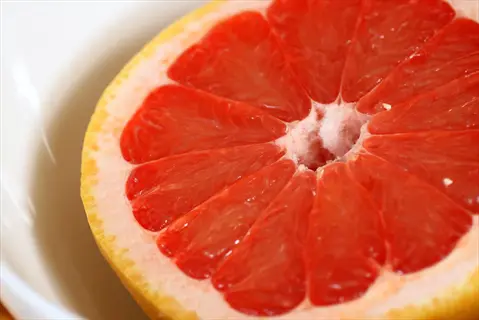
Ruby Red Grapefruit
- Flesh color: Ruby Red produces pink to red flesh that reads as sweeter and milder than older white grapefruit types.
- Flavor: It balances sweet and tart well, which makes it one of the most popular home and market varieties.
- Seeds: Ruby Red is largely seedless, so it is an easy fruit to eat fresh or juice at the kitchen counter.
- Climate: It performs strongly in warm citrus regions such as Texas and Florida within USDA zones 9 to 11.
- Tree size: Standard trees reach roughly 10 to 30 feet (3 to 9 meters) tall with a similarly wide, rounded canopy.
- Best for: Choose Ruby Red as a dependable all-around home tree if you want sweet, reliable, classic red grapefruit.

Rio Red and Rio Star
- Flesh color: Rio Red and the Rio Star group carry deep red flesh and rich color that signal high sweetness.
- Flavor: These Texas favorites are among the sweetest red grapefruit, with low bitterness and a full, juicy taste.
- Seeds: They are typically seedless, which adds to their popularity for fresh eating and commercial juice.
- Climate: Rio types thrive in hot Texas growing areas and other warm zones from 9 to 11 with full sun.
- Tree size: Expect a vigorous standard tree of about 10 to 30 feet (3 to 9 meters) with a broad spread.
- Best for: Pick a Rio variety when sweetness is your top priority and your climate runs reliably warm.
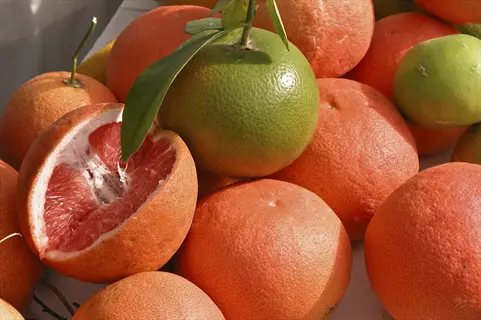
Star Ruby Grapefruit
- Flesh color: Star Ruby has very dark red, almost crimson flesh that stands out among red grapefruit varieties.
- Flavor: It is sweet and intensely flavored, prized by gardeners who want bold color and rich taste.
- Seeds: Star Ruby is essentially seedless, making it pleasant for fresh eating straight off the tree.
- Climate: It is somewhat more cold-tender, so reserve it for warmer parts of zones 9 to 11 and protect from frost.
- Tree size: Trees are a touch more compact but still reach a substantial mature height of 10 to 30 feet (3 to 9 meters).
- Best for: Grow Star Ruby for the deepest flesh color and strongest flavor if your winters stay mild.
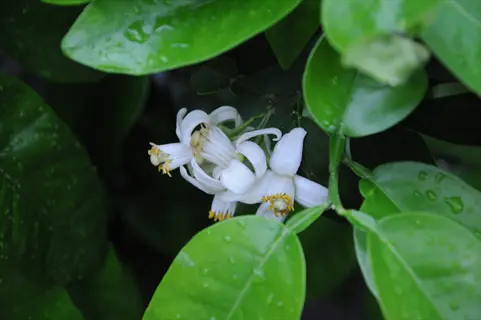
Oro Blanco and White Marsh
- Flesh color: These are the classic white and pale varieties, with light flesh rather than red or deep pink.
- Flavor: White Marsh is more tart and bracing, while Oro Blanco is a sweeter, low-acid white-fleshed hybrid.
- Seeds: Marsh and Oro Blanco are both largely seedless, which keeps them easy to eat and juice.
- Climate: White types grow across the same warm zones 9 to 11 and tolerate typical citrus conditions well.
- Tree size: They form full standard trees around 10 to 30 feet (3 to 9 meters) tall with a wide canopy.
- Best for: Choose a white or Oro Blanco variety if you prefer a tangier, classic grapefruit flavor over deep sweetness.
If sweetness sits at the top of your list, the Rio Red grapefruit and Rio Star group are tough to beat in a warm zone. Want the boldest color and richest taste of all? Star Ruby grapefruit delivers crimson flesh, though it needs mild winters and a little frost protection. Match the tree to your climate first, then chase the flavor you love.
Where And How To Plant
Where you plant matters as much as how you plant. The wrong spot lands a tree in soggy clay or deep shade, and no amount of later care fixes that. Get the site right and the rest of grapefruit tree care gets easier.
Grapefruit grows outdoors in USDA hardiness zones 9 to 11, and spring is the usual time to plant. The tree needs full sun, around 6 to 8 hours a day, because it cannot tolerate shade for strong fruit. A south-facing wall works well as a heat sink, and it shelters young trees from cold wind. Skip low spots where frost settles.
The other half of the job is the dirt. Grapefruit wants well-drained soil with a slightly acidic soil pH of 6.0 to 6.5. Think of heavy, poorly drained clay as a bucket that holds water and drowns the roots. Loose, well-drained loam works the other way, letting roots breathe and pull in oxygen. That single difference is what saves a tree from root rot.
Here is how to plant a grapefruit tree the right way, with each step tied to a real reason from extension research.
Choose a south-facing spot with full sun for 6 to 8 hours daily, sheltered from cold wind and clear of low frost pockets.
Loosen well-drained soil and aim for a slightly acidic pH near 6.0 to 6.5, improving heavy clay so water never sits around the roots.
Dig a hole as deep as the root ball and keep the uppermost roots at or above soil level, never burying the trunk or graft union.
Backfill gently, firm the soil, and allow about 12 feet (3.7 meters) of clearance from structures so the canopy has room to spread.
Water deeply to settle the roots, then add mulch around the base while keeping it pulled back from the trunk to avoid rot.
Grapefruit requires full sun and cannot tolerate shade.
Two mistakes sink more young trees than anything else. The first is planting too deep, which buries the trunk and the graft union and invites rot. Keep the uppermost roots at or above soil level. The second is crowding, so give the canopy about 12 feet of clearance from walls and fences. Nail the site, the depth, and the drainage, and your grapefruit tree will reward you for years.
Watering Feeding And Pruning
Good grapefruit tree care comes down to three habits you repeat all year. You water deeply, you feed through the warm months, and you cut out the few branches that cause trouble. None of it is hard once you know the rhythm.
One spring morning I crouched at the base of my in-ground Ruby Red in the south-facing back corner, scoop of feed in hand. A run of skipped weeks had left the new leaves a tired, washed-out green. I went back to a steady dilute feed every couple of weeks, and by the time the next flush came the color had filled back in, a deep and solid green. The tree took the slow, regular meal far better than the heavy catch-up dose I was tempted to throw at it.
The big mistake people make with watering grapefruit tree roots is constant shallow sprinkling. Grapefruit wants deep watering instead, where you soak the soil and then let the top few inches dry before you go again. That pattern trains roots to grow down and stay strong through dry spells.
Watering Through The Year
- Spring and summer: Water deeply and regularly during active growth so the root zone stays evenly moist but never waterlogged.
- Winter: Cut back sharply on watering when growth slows, since cool, wet soil encourages root rot in dormant trees.
- Method: Favor deep, less frequent soakings over light daily sprinkling, which trains roots to grow down and stay resilient.
- Check first: Test the top few inches of soil with a finger and water only when that layer has begun to dry out.
Feeding And Fertilizer
- Timing: Apply a dilute citrus fertilizer every 2 to 4 weeks through the spring and summer growing season for steady growth.
- Winter pause: Stop feeding entirely in winter, because fertilizing dormant trees wastes nutrients and can push tender growth.
- Soil match: Keep soil slightly acidic near a pH of 6.0 to 6.5 so the tree can take up the nutrients you provide.
- Watch the leaves: Pale or yellowing foliage often signals the tree needs feeding or a correction to soil conditions.
Pruning And Upkeep
- Main goal: Prune mainly to remove dead, damaged, diseased, or crossing branches rather than to reshape the whole tree.
- Suckers: Cut away suckers and water shoots below the graft union so the tree's energy stays in the productive top.
- Airflow: Thin lightly to open the canopy, which improves airflow and light and reduces conditions that favor disease.
- Timing: Do major pruning after the worst frost risk has passed so fresh cuts and new growth are not cold-damaged.
Mulch And Soil Health
- Mulch layer: Spread mulch around the root zone to hold moisture and steady soil temperature, keeping it off the trunk.
- Weed control: A clean, mulched base reduces weeds that would otherwise compete with the tree for water and nutrients.
- Soil amendments: Research into beneficial soil bacteria such as Bacillus species points to more sustainable ways to support citrus nutrition.
- Consistency: Steady, moderate care across the year outperforms bursts of heavy watering and feeding followed by neglect.
Reach for a citrus fertilizer in spring and summer. Feed it dilute every 2 to 4 weeks while the tree grows. Stop once growth slows for winter. Food given to a resting tree just gets wasted, and it can push soft growth that the cold will burn.
Keep pruning grapefruit tree branches simple. You are not shaping a hedge here, so cut out the dead, damaged, or crossing wood and pull off any suckers below the graft. Do the bigger cuts after the worst frost has passed, and the tree will hold its shape on its own for years.
Container And Indoor Growing
Cold winters do not have to end your citrus dreams. Growing grapefruit in containers lets you grow real fruit far outside the warm zones 9 to 11. You just need to give the tree a steady seasonal rhythm. Pick a dwarf grapefruit tree, since it stays small enough to fruit in a pot and short enough to carry through a doorway.
The trick is to treat your potted tree like a snowbird. It summers outdoors in full sun and winters inside where the cold cannot reach it. When you keep the grapefruit tree indoors, set it at a bright south-facing or west-facing window so it gets the strongest light your home can offer. A heavy clay pot helps here too, because it adds stability and holds moisture more steadily for thirsty citrus roots.
Timing the two moves matters most. Set the tree outdoors in mid to late spring, but acclimate it over 7 to 10 days so the leaves do not scorch. Start it in full shade, then give it a bit more sun each day until it can take the open sky. Bring it back inside by early to mid fall, before nights fall toward the mid 50s Fahrenheit (about 13 Celsius).
- Variety: Choose a dwarf grapefruit tree, which stays small enough to thrive and fruit in a large container.
- Pot: Use a large, heavy pot with strong drainage holes; clay offers stability and steadier moisture for citrus roots.
- Light: Place the indoor tree at a bright south-facing or west-facing window so it gets the strongest available light.
- Move out: Set the tree outdoors in mid to late spring and acclimate it over 7 to 10 days, starting in shade.
- Move in: Bring the tree back indoors by early to mid fall, before temperatures drop toward the mid 50s Fahrenheit (about 13 Celsius).
- Water less and stop feeding while the tree rests indoors through winter.
Overwintering citrus asks you to back off, not work harder. The tree slows down in low winter light, so it needs far less water and no fertilizer until spring returns. Get this move-in and move-out timing right, and a single pot can keep ripe grapefruit on your table for years. Container citrus turns a cold climate from a dealbreaker into a small scheduling task.
Pests And Disease Control
Most grapefruit tree pests and diseases give you warning signs before they take hold. The trouble is that a healthy tree and a sick one can look alike for weeks. Once you learn what to watch for, you catch problems early and save yourself a failing tree.
The single worst threat is citrus greening, also called HLB. A tiny bug named the Asian citrus psyllid spreads it from tree to tree as it feeds on new leaves. Infected trees show blotchy yellow leaves and grow small, lopsided fruit that tastes bitter.
Here is the hard part. Citrus greening has no home cure once your tree catches it. Your only real defense is control the psyllid, buy clean nursery stock, and pull any tree that turns up infected. That is why early scouting beats every spray you could reach for later.
Drainage problems cause a different kind of damage. Root rot sets in when soil stays soggy and fungi like Pythium and Phytophthora attack the roots. A grapefruit tree in heavy, wet ground shows wilting, yellow leaves, and slow decline even though it sits in plenty of water. Most root rot grapefruit cases trace straight back to poor drainage. Grapefruit also catches citrus canker with ease, which leaves raised corky spots on leaves, stems, and fruit.
The table below sorts the common problems by their warning signs and the fix for each one.
Sorting these two types of trouble apart matters because the fixes are nothing alike. Root rot is a drainage problem, so you cure it by fixing the soil and watering deeply but less often. Citrus greening is a bug-spread disease, so you fight the Asian citrus psyllid and remove sick trees instead. Treat one like the other and you waste time while your tree gets worse.
Healthy trees in well-drained soil resist trouble best, so scout leaves and fruit regularly and act early rather than waiting for severe symptoms.
Harvest Yield And Ripeness
The wait pays off in a big way once your tree settles in. A grafted tree starts setting a real crop after about 3 to 5 years, and from there the numbers climb fast. So when do grapefruit trees produce fruit you can actually fill a basket with? Give it a few seasons and the branches earn their keep.
Grapefruit yield per tree gets serious as the roots mature. Clemson notes that an established tree can carry 500 fruit or more in a single season. A 10-year-old tree may push out 250 pounds (113 kg) of fruit, enough to leave you handing bags to every neighbor on the street.
Knowing how to tell if a grapefruit is ripe takes a little practice with your eyes and hands. Look for full color, heavy weight for the size, and a slight give when you squeeze. The real test is taste, so pull one and try it before you commit to harvesting grapefruit by the dozen.
A ten-year-old tree may produce 250 pounds of fruit!
Here is the part most people miss. Grapefruit is tree-ripened and hand-picked, so it does not keep sweetening on your counter the way a banana does. In Texas the fruit matures around late October, but you can leave it hanging. Think of hang time like slow cooking. The extra weeks on the branch deepen the sweetness, and the longer you wait, the larger and richer each fruit gets.
That patience has a price tag for next season. Fruit left on the tree through winter keeps sweetening, but it can pull energy from the tree and trim the following year's harvest. Pick a balance you like and stop fussing over the rest. Either way you win on nutrition, since half a grapefruit gives you about 70% of your daily vitamin C in one juicy scoop.
5 Common Myths
Many people believe you can plant a grapefruit seed and grow a tree that produces the same fruit you ate.
Seed-grown grapefruit trees do not come true to type and take far longer to bear, so trees are propagated by grafting.
A common belief is that you must own two grapefruit trees before either one will ever set any fruit.
Grapefruit trees are self-pollinating, so a single healthy tree in full sun can set a full crop on its own.
Some gardeners assume grapefruit is one of the toughest, most cold-hardy citrus trees you can grow outdoors.
Grapefruit is among the less cold-hardy citrus; some varieties did not survive 16.5 degrees Fahrenheit (about minus 8.6 Celsius).
People often think a newly planted grapefruit tree will reward them with a heavy harvest in its very first year.
Grafted grapefruit trees usually need about 3 to 5 years before they flower and produce a meaningful crop of fruit.
A widespread myth says grapefruit can only grow outdoors in hot southern states and nowhere with real winters.
In cold-winter regions a dwarf grapefruit grows in a container indoors near a sunny window and moves outside in summer.
Conclusion
Growing a grapefruit tree is a long game, but every stage builds on the last one. You chose a variety, gave it full sun for 6 to 8 hours a day, and set it in well-drained soil near a pH of 6.0 to 6.5. From there you watered, fed, pruned, and watched for pests. Each of those steps led straight to a heavy harvest, and the tree rewarded every bit of that work.
The numbers tell the story of growing grapefruit. A grafted tree takes about 3 to 5 years to give you its first real fruit, so patience pays off here. Once it settles in, a healthy tree can hand you 500 fruit or more in a single season. That kind of grapefruit harvest turns one backyard tree into a steady supply for your whole family.
None of this asks for a green thumb or rare skill. Good citrus tree care comes down to four simple habits you now know well. Give the tree sun, keep its roots out of soggy ground, feed it on a steady schedule, and stay alert for early signs of trouble. Do that, and a single grapefruit tree keeps producing for decades.
Cold winters do not shut you out either. A tree in a large pot lives happily on a patio in summer. Then it moves to a sunny south-facing window before the first frost. So your home works too, whether you have a warm yard or a chilly apartment. Picture that corner filling with sweet, heavy fruit season after season.
Glossary
- Citrus greening (HLB)
- A serious, incurable citrus disease spread by the Asian citrus psyllid that causes blotchy leaves and small, bitter fruit.
- Graft union
- The visible joint where the fruiting variety meets the rootstock, which should stay above the soil line when planting.
- Grafting
- Joining a desired grapefruit variety onto a separate rootstock so the tree fruits true to type and bears sooner than a seed-grown tree.
- Rootstock
- The lower root portion of a grafted tree that supports the upper fruiting variety and influences its vigor and hardiness.
- Self-pollinating
- A plant whose flowers can fertilize themselves, so a single tree can set fruit without a second tree nearby.
- Soil pH
- A scale measuring how acidic or alkaline soil is, which controls how easily a plant can take up nutrients.
- USDA hardiness zones
- A map-based system that ranks regions by average winter low temperature to show which plants can survive outdoors there.
- Well-drained soil
- Soil that lets excess water flow through quickly so roots are never left sitting in standing water.
External Sources
Frequently Asked Questions
How long does a grapefruit tree take to produce fruit?
Most grafted grapefruit trees flower and bear within about 3 to 5 years, while seed-grown trees take much longer.
Where is the best place to plant a grapefruit tree?
Choose the warmest, sunniest spot you have:
- A south-facing site with full sun for 6 to 8 hours
- Well-drained soil that never stays soggy
- Shelter from cold wind and away from frost pockets
Is it hard to grow a grapefruit tree?
In a suitable climate a grapefruit tree is fairly low maintenance once full sun, drainage, and feeding are in place.
Can you grow a grapefruit tree in a pot?
Yes. A dwarf grapefruit tree grows well in a large container that moves indoors over winter in cold climates.
What is the best soil pH for a grapefruit tree?
Grapefruit trees prefer slightly acidic, well-drained soil with a pH near 6.0 to 6.5.
Do you need two grapefruit trees to get fruit?
No. Grapefruit trees are self-pollinating, so a single healthy tree can set fruit on its own.
How often should you water a grapefruit tree?
Water deeply and regularly through the spring and summer growing season, then cut back sharply in winter.
What is the best fertilizer for a grapefruit tree?
Use a dilute citrus fertilizer every 2 to 4 weeks during spring and summer, and do not feed in winter.
Why is my grapefruit tree not producing fruit?
Common causes include:
- A young tree that has not reached fruiting age
- Too little direct sunlight
- Cold damage to flowers or buds
- Stress from poor drainage or irregular care
How many grapefruits does one tree produce?
An established grapefruit tree can produce 500 fruit or more, and a mature tree may yield around 250 pounds (113 kilograms).