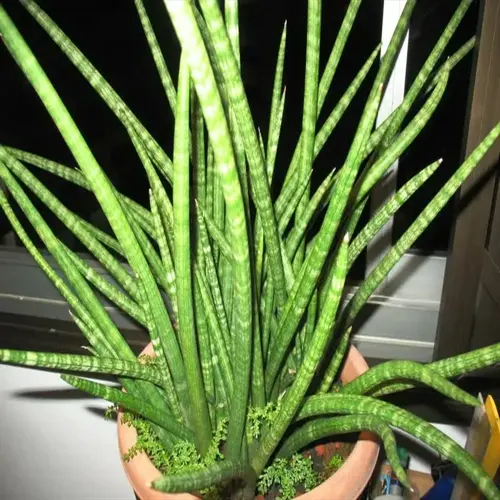

Yes, snake plant and Sansevieria same plants share their identity, but the science name changed in 2017. All snake plants now live in the Dracaena genus by scientific rules. Most people still call them Sansevieria out of habit.
I saw this name shift play out at my local plant shop over a few years. One tag used the old name. The next shelf had Dracaena trifasciata on the new tag. Both pots held the same plant. The trade has been slow to fully switch over.
The Sansevieria vs Dracaena debate is not really a debate at all. Gene studies in the 2010s proved that the Sansevieria genus sat inside the larger Dracaena group. Plant experts call this kind of nested group paraphyletic. The fix was to merge the two into one genus.
The official snake plant reclassification took place in 2017 after gene studies. Wikipedia and Britannica both list this date in their entries. All 70 plus former Sansevieria species moved over at the same time. None kept their old genus name in science papers.
DNA work showed that Sansevieria plants shared too many traits with Dracaena to stand apart. The leaf chemistry matched. The flower parts matched. The seed shapes matched. Once the gene data lined up too, the merge was the only path that made sense.
The most common snake plant species is now Dracaena trifasciata. This was once known as Sansevieria trifasciata for over 100 years in plant books. It is the same plant you find in every home decor magazine and big box garden center. Only the name on the label changed.
What Stayed The Same
- The plants: All 70 plus species look the exact same as they did before, with no changes in growth or care needs.
- Common names: Snake plant, Mother-in-Law's Tongue, viper's bowstring hemp all still work in casual talk.
- Care needs: Light, water, soil, and temperature needs stayed the same since only the name on labels shifted.
What Changed
- Genus name: Sansevieria became Dracaena in 2017, so Sansevieria trifasciata is now Dracaena trifasciata.
- Science papers: Researchers must use the new Dracaena name in journals and academic plant guides today.
- Some labels: Newer nursery tags show Dracaena while older stock and budget shops still use Sansevieria.
What Confuses Shoppers
- Mixed labels: You may see both names on the same shelf at the same store, which can throw off new growers.
- Online listings: Plant sellers use whichever name gets more search traffic, often defaulting to Sansevieria.
- Old books: Care guides written before 2017 still use Sansevieria, so check the date when you read up.
For shoppers and home growers, this name change does not matter much in daily life. Buy what looks good in your space. Whether the tag says Sansevieria or Dracaena, the plant is the same. The care routine stays the same as well.
Some plant clubs and online groups still prefer Sansevieria for tradition. Other folks like to use Dracaena to stay current with science. Both choices are fine. Most growers I know mix the two terms in casual chat without missing a beat.
You can use either name when you ask a shop owner for help finding a snake plant. They will know what you mean. Some staff may even use Sansevieria themselves out of habit. The plant trade tends to lag behind science by 5-10 years on name changes.
I find the new Dracaena name useful when I read research papers or care guides from botanical sites. The older Sansevieria name still pops up in plant trade magazines and casual blogs. You will see both names for years to come, and that is fine for any home grower.
Read the full article: 15 Best Snake Plant Varieties