
Introduction
Smart avocado tree care turns a backyard sapling into a tree that drops fruit on your patio for years. Skip the basics and that same tree will turn yellow, drop its leaves, and rot at the roots in one wet season.
In my experience, avocados in Florida storms and California dry spells all act the same. I even saved one in a Texas pot during a cold snap. The pattern never changes. These trees want exact numbers, not guesses, to grow well.
Here is the part most guides skip. UC Riverside research shows the feeder roots live in the top 6 inches of soil. That one fact drives every watering and mulch choice you will ever make.
One mature tree can push out a million flowers in a single bloom. It will still set only 100 to 200 fruit. Knowing that number up front frees you from panic when the ground turns yellow with fallen blooms in May.
This guide pulls together field tested numbers for growing avocado trees at home. You get advice for California, Florida, and cold zone pots. You will see exact gallons of water, pounds of nitrogen, and pH targets. No fuzzy talk about full sun and well drained soil.
Home avocado growing has surged as grocery prices climb. Hass alone supplies about 80% of the U.S. market right now. Solid avocado plant care is now a real money saver, not just a fun hobby. Learning how to care for avocado tree stock at home pays off fast. Plant your tree in full sun in USDA zones 9-11 for the best results.
Avocado Tree Care Essentials
Solid avocado tree care rests on six pillars that all link back to one simple fact. Avocado roots need both water and oxygen at the same time, much like a wet sponge that still has air inside it.
Drown that sponge and the roots rot in days. Starve it and the leaves wilt fast. I learned this the hard way after I lost two young trees to soggy clay before I added a mound.
Each pillar below has an exact number behind it. Six hours of sun, 23-30 ft of spacing, and pH 6.0 to 6.5 are not flexible. They come from UF/IFAS and UC Riverside research on what makes a grafted avocado tree thrive in your yard.
Sun and Site Selection
- Light: Avocado trees need full sun, meaning at least six hours of direct light per day, ideally on a south or southwest facing slope.
- Spacing: Allow 23-30 ft (7-9 m) of clearance from structures, fences, and other trees so the canopy and roots have room to mature.
- Shelter: Choose a spot protected from strong cold winds, since young trees suffer leaf burn and dieback below 30°F (-1°C).
- Slope: Gentle slopes shed cold air and excess water, which lowers frost damage and Phytophthora root rot risk simultaneously.
- Drainage: Avoid low spots that collect runoff, because standing water for even a day can suffocate the thin surface feeder roots.
Soil Structure and pH
- Texture: Aim for loamy, well aerated soil that drains within an hour after watering, since compacted ground starves roots of oxygen.
- pH range: UC Riverside recommends a soil pH of 6.0 to 6.5, slightly acidic, to keep iron and zinc available to the tree.
- Mounding: In heavy clay, plant on a mound 1-2 ft (0.3-0.6 m) high and 3-5 ft (0.9-1.5 m) wide with 20 lbs (9 kg) of gypsum mixed in.
- Amendments: Mix coarse compost into the planting hole, but avoid heavy peat or potting mix that holds water against the root ball.
- Testing: Run a basic soil test every two years to track pH drift and prevent zinc or iron deficiency in alkaline soils.
Water and Drainage Strategy
- Mature need: UC Riverside reports mature in ground trees use about 20 gallons (76 L) per day during peak California irrigation season.
- Frequency: Water once or twice a week with a deep soak rather than a daily light sprinkle, so moisture reaches the full root zone.
- Young trees: Newly planted trees need water every other day for the first week, then 1-2 times weekly for several months.
- Avoid sprinklers: UF/IFAS warns that timer based lawn sprinkler systems cause overwatering and root rot near avocado trees.
- Critical periods: Bloom and fruit set are the most water sensitive stages, so do not let trees dry out from March through June.
Fertilizer and Nutrients
- Nitrogen first: Avocados are heavy nitrogen feeders, with CDFA targets rising from 0.10 lb (45 g) N at year one to 1.50 lbs (680 g) by year six.
- Timing: Avoid heavy nitrogen from April through mid June, since UC Riverside research links it to increased natural fruit drop.
- Micronutrients: Zinc deficiency is common; a single 7 lb (3.2 kg) dose of ZnSO4 per tree lasts three to five years per CDFA guidelines.
- Leaf test: Healthy Hass leaves show 2.0-2.2% nitrogen in late summer; below 1.8% signals deficiency.
- Coastal rule: In coastal Southern California, withhold nitrogen between October 1 and March 1 to prevent winter flushing and frost damage.
Mulch and Ground Care
- Depth: Apply 2-6 inches (5-15 cm) of coarse bark or wood chip mulch under the canopy to conserve moisture and feed soil life.
- Trunk gap: Keep mulch 8-12 inches (20-30 cm) away from the trunk so the bark stays dry and free of collar rot.
- Grass free zone: UF/IFAS recommends a grass free ring 2-5 ft (0.6-1.5 m) wide around young trees to remove competition.
- Pest bonus: Penn State research shows a 6 inch (15 cm) coarse mulch layer suppresses avocado thrips by supporting natural enemies.
- Refresh: Top up mulch each spring as it breaks down, which steadily improves soil structure where the feeder roots live.
Pruning and Training
- Formative years: During the first two years, tip prune to encourage strong lateral branching and a balanced scaffold structure.
- Mature limit: UF/IFAS suggests cutting tops back to 10-15 ft (3-4.5 m) on mature trees to keep harvest within reach.
- Keep low branches: Do not strip lower branches; they shade the trunk against sunburn and add early fruit production.
- Timing: Prune in late winter or early spring (February in California) so wounds heal before peak summer pest pressure.
- Light touch: Severe pruning can suppress fruiting for a full season, so make small annual cuts rather than one big haircut.
Get all six pillars right and your tree hits a typical avocado tree height of 20 to 30 ft in about ten years. Skip one and you will spend years playing catch up with yellow leaves and poor fruit set.
Avocado tree spacing matters more than most growers think. Crowded trees fight for light and air, which drops fruit yields by half. Give each tree its 23-30 ft circle and well-draining soil to back it up.
Best Soil and Site Setup
The best soil for avocado tree roots is one that drains fast but still holds some moisture. Picture a kitchen sponge that you wrung out, not a wet rag. Planting in heavy clay without a mound is like putting a desert plant in a bathtub.
Your soil type drives the planting plan more than any other choice. A loam yard takes a tree at native grade. A clay yard needs a raised bed mound built up high. Flood prone lots need the tallest mounds of all to keep those top 6 inches of feeder roots above the water line.
Use the table below as a field ready setup playbook. Match your yard to a row and follow the dimensions and soil amendments to the letter. Save the percolation check for last so you catch drainage trouble before you put a single root in the ground.
Poor drainage is the number one killer of backyard avocados in the United States. I have seen it kill more trees than frost ever did. Wet soil hides a hidden risk. Phytophthora cinnamomi infects soggy ground and rots feeder roots in weeks. Mound planting with the right slope keeps that risk low.
Check your avocado soil pH with a basic test kit from any garden store. Target the 6.0 to 6.5 band so zinc and iron stay free for the roots to grab. If you have clay soil, fold in gypsum at the dose in the table before you build your mound for the best well-draining soil base.
Watering by Climate and Age
Knowing how often to water avocado tree stock starts with two checks I use every week. Stick a finger 6 inches into the soil for in ground trees. Lift a pot to feel its weight for container avocado plants. Those two moves catch trouble before leaves ever droop.
A solid avocado tree watering schedule changes by climate and age. A new tree in dry California needs water every other day for a week. A mature tree in summer can drink 20 gallons in a single day during peak heat. Pot grown trees indoors need only a small fraction of that amount.
Overwatering is the top mistake I see in home yards across the country. UF/IFAS data shows timer based lawn sprinklers cause more avocado root rot than any other slip up. The fix is simple. Turn off the sprinkler near your tree. Water by hand on a real schedule.
Deep watering beats short sprinkles every time. One long soak pulls roots down and out into the soil. Short sprays keep roots stuck near the surface where heat and dry air can kill them in a week of hot weather.
Good drainage locks in the value of every drop you put down. If water pools on top of the soil for more than an hour, your tree is at risk. Check soil moisture by hand before you ever turn on a hose, no matter what your timer says.
Fertilizer Plan by Tree Age
The best fertilizer for avocado tree growth is balanced NPK with a strong nitrogen lead. A young tree needs only 0.10 lb of actual nitrogen in year one. A mature tree needs up to 15 times that amount each year to keep pushing leaves and fruit.
Knowing when to fertilize avocado tree roots is just as key as the amount. CDFA research says to split the yearly nitrogen into 8 small monthly doses from March through October. Tiny steady doses beat one or two big feedings every time.
I lean on a slow-release fertilizer for in ground trees because it forgives small timing slips. Skip the high nitrogen pushes from April through mid June. That window matches bloom and fruit set, when too much nitrogen causes heavy fruit drop.
Your avocado tree fertilizer schedule should also build in zinc every few years. A single 7 lb dose of zinc sulfate per tree lasts 3 to 5 years. Pale leaves with green veins are your signal to add zinc on top of the regular nitrogen plan.
High yield trees pull nitrogen out of the soil fast. CDFA notes that fruit removes about 2.5 to 3.5 lbs of nitrogen per 1,000 lbs of avocados picked. Track your harvest weight each year and bump feeding up if your tree hits big yields, so the soil never runs dry of food.
Pollination and Variety Picks
Now that your tree is in the ground, watered, and fed, here is how you boost yields from what you planted. Variety choice and avocado pollination can double or triple the fruit you pick each year. Skip this step and even a perfect care plan will leave fruit on the table.
Avocados sort into two flower types known as type A vs type B avocado. Type A flowers open female in the morning and male the next afternoon. Type B does the opposite. Think of A and B as two shifts at a flower factory. They open at opposite times so pollen always meets a fresh flower.
Cross-pollination between a Type A and a Type B planted within 30 ft of each other gives the biggest yield jump. A single tree can push out a million flowers in one bloom but set only 100 to 200 fruit. Pairing types pushes that small set number up where it counts.
Hass
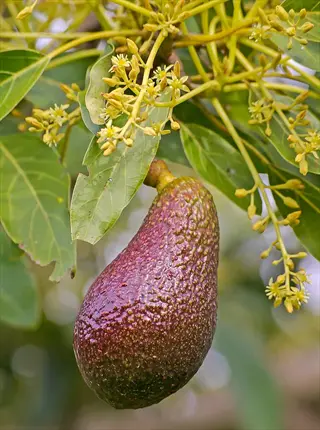
- Type: Type A flowering variety from Guatemalan x Mexican parentage, accounting for the vast majority of commercial avocados sold worldwide.
- Cold tolerance: Mature trees handle around 30°F (-1°C), making them best for USDA Zones 9b-11 or container growing further north.
- Harvest window: Fruit ripens roughly February through September in California, giving a long picking season from a single tree.
- Fruit traits: Medium pebbly skin that turns black when ripe, with rich nutty flesh prized for guacamole and toast.
- Pollinator pairing: Pair with a Type B such as Bacon, Fuerte, or Zutano to maximize fruit set in backyards.
- Best for: Southern California, low elevation Arizona, and Mediterranean climate growers who want a productive workhorse tree.
Bacon
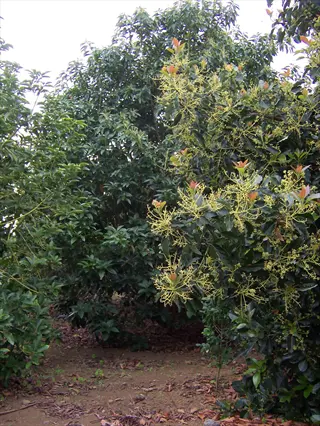
- Type: Type B flowering variety bred in California, valued as a reliable Hass pollinizer in home orchards.
- Cold tolerance: Mature trees survive down to about 24°F (-4°C), among the hardier commercial varieties.
- Harvest window: Fruit ripens November through March, filling the gap before Hass starts in mid winter.
- Fruit traits: Smooth green skin, medium oil content, and lighter flavor than Hass but still creamy and pleasant.
- Pollinator pairing: Plant within 30 ft (9 m) of a Type A like Hass or Reed for cross pollination benefits.
- Best for: Cooler California coastal microclimates and Pacific Northwest growers seeking cold hardier production.
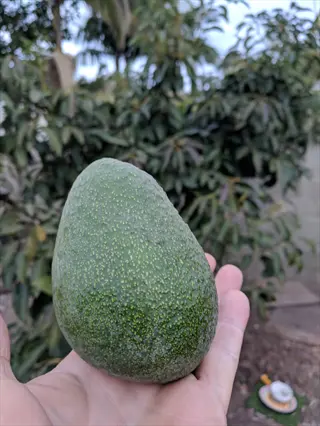
Fuerte
- Type: Type B Mexican x Guatemalan hybrid that was the dominant variety before Hass took over commercial groves.
- Cold tolerance: Mature trees tolerate down to about 26°F (-3°C), pairing well with Mexican race understocks.
- Harvest window: November through May, offering an early to mid season pick that complements Hass timing.
- Fruit traits: Pear shaped with smooth thin green skin and silky, mild flavored flesh that does not blacken when ripe.
- Pollinator pairing: Excellent Type B partner for Hass, with overlapping bloom periods in most California climates.
- Best for: Heritage orchards, Mediterranean climates, and growers who want a milder flavored alternative to Hass.
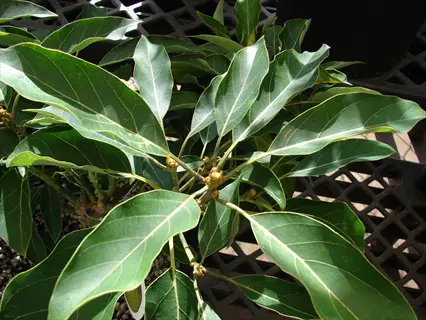
Reed
- Type: Type A Guatemalan variety known for the largest fruit among common home avocados, often a full pound each.
- Cold tolerance: Mature trees handle around 30°F (-1°C), so they thrive in warm winter zones only.
- Harvest window: Summer through early fall, July through October, extending the picking calendar past spring varieties.
- Fruit traits: Round green fruit with thick skin and rich, high oil flesh that stores well on the tree for months.
- Pollinator pairing: Pair with any Type B such as Bacon or Fuerte to boost what is already a heavy set variety.
- Best for: Backyard growers in mild winter zones who want big, late season avocados and a compact upright tree habit.
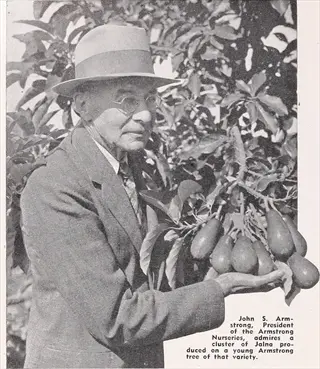
Mexicola Grande
- Type: Type A pure Mexican race selection prized for its exceptional cold hardiness among avocado varieties.
- Cold tolerance: Mature trees can survive brief dips to about 18-20°F (-8 to -7°C), pushing avocados into Zone 8b.
- Harvest window: August through October, giving a fall harvest that beats the first frost in marginal climates.
- Fruit traits: Small to medium with thin, glossy black skin that is actually edible, and rich anise tinged flesh.
- Pollinator pairing: Pair with another Mexican race Type B such as Zutano or Bacon for best fruit set in cool zones.
- Best for: Northern California, Texas, and Gulf Coast growers seeking the most cold tolerant productive backyard tree.
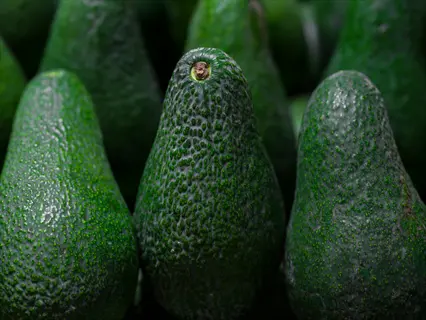
Pinkerton
- Type: Type A Guatemalan variety bred in California, popular for heavy bearing on compact spreading trees.
- Cold tolerance: Mature trees tolerate around 30°F (-1°C), best for warm Mediterranean and subtropical climates.
- Harvest window: November through April, providing a long early to mid season pick for fresh eating.
- Fruit traits: Elongated pear shape with pebbly green skin and rich, creamy Hass like flavor without blackening.
- Pollinator pairing: Set fruit reliably with any nearby Type B such as Zutano, Bacon, or Fuerte within 30 ft (9 m).
- Best for: Home growers who want strong early production from a smaller framed tree well suited to backyards.
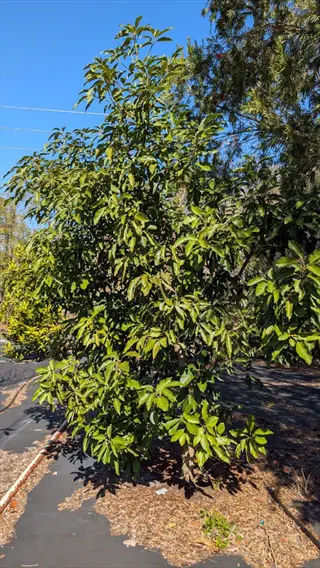
Lila
- Type: Type A Mexican selection from Texas with strong cold tolerance and an attractive compact growth habit.
- Cold tolerance: Mature trees can survive brief dips to about 15-20°F (-9 to -7°C), one of the hardiest options.
- Harvest window: July through September, a useful late summer pick before colder weather arrives.
- Fruit traits: Small to medium green fruit with thin edible skin and creamy flavor similar to Mexicola Grande.
- Pollinator pairing: Pair with Joey or Bacon for cross pollination, although Lila sets fruit fairly well on its own.
- Best for: Texas, Gulf Coast, and Lower South gardeners pushing the cold edge of avocado growing in the United States.
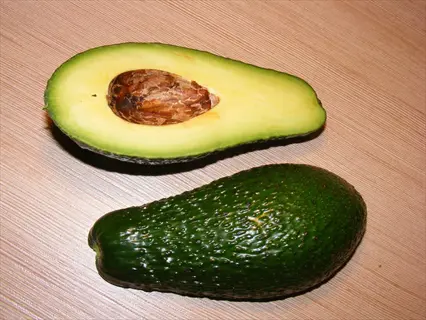
Zutano
- Type: Type B Mexican race variety commonly planted as a pollinizer for Hass in commercial groves.
- Cold tolerance: Mature trees handle around 24-26°F (-4 to -3°C), suitable for cooler Zone 9 plantings.
- Harvest window: October through January, providing a fall and early winter pick that bridges seasons.
- Fruit traits: Pear shaped with smooth shiny green skin and lighter, more watery flesh than Hass or Reed.
- Pollinator pairing: A dedicated Type B that boosts yields on Hass, Pinkerton, or Reed planted nearby.
- Best for: Growers focused on cross pollination value over premium fruit flavor in a backyard polyculture.
My top pick for most backyards is a Hass avocado tree with a Bacon avocado or Fuerte avocado next to it. Keep them within 30 ft. That combo gives you fruit from November through September each year.
Plan around alternate bearing too. Even the best pollinated tree can swing from a heavy crop year to a light one. Add a third variety like Reed avocado to spread your harvest risk across the year. You will pick fruit even when your main tree takes a season off.
Diagnosing Leaf and Fruit Issues
Most avocado tree diseases show up first on the leaves and fruit. Learn to spot the early signs and you save the tree before damage spreads to the roots. In my experience, a weekly walk around the tree catches 90% of issues before they get bad. I look at the leaves, bark, and any fruit on the ground each time.
Start your check at the top of the canopy and work down. Avocado tree leaves yellow in many ways, and each pattern points to a different cause. Pale leaves with green veins mean iron lack. Small pale leaves across the whole canopy point to root rot avocado trouble.
Use the table below as a quick flow chart for any symptom you spot in your yard. Each row maps a symptom to a likely cause, a way to confirm it, and the fix that works. Avocado tree pests like thrips and scale also show clear signs you can catch fast.
Watch for avocado tree leaves turning brown at the tips. That sign points to salt buildup from city water or too much fertilizer. A deep leach with 3 times the normal water flushes salts past the root zone and fixes the trouble in a week.
Heavy fruit drop in late spring is a clear stress signal you must act on fast. Most loss in May comes from heat or thirsty roots during fruit set. Penn State research shows that black brittle root tips along with small yellow leaves and early leaf drop all point to Phytophthora. Bark sunburn also needs quick care with a white latex paint mix to stop wood rot from setting in. CDFA data shows leaf nitrogen under 1.8% and zinc under 20 ppm are the most common gaps in home trees.
5 Common Myths
A single avocado tree cannot produce fruit on its own because it always needs a partner tree.
Most avocados can self pollinate and set some fruit alone, but pairing a Type A with a Type B variety greatly increases yields.
An avocado tree grown from a grocery store pit will give the same fruit as the parent in a few years.
Seed grown trees take ten to fifteen years to fruit and rarely match parent quality because they are genetically variable, unlike grafted trees.
Avocado trees love daily watering because they originally come from humid tropical rainforests across the world.
Avocados need deep but infrequent watering and excellent drainage, since constantly wet soil suffocates their shallow roots and causes root rot.
You should pile thick mulch right against the avocado trunk to keep the roots warm and moist year round.
Mulch should be two to six inches deep but kept eight to twelve inches away from the trunk to prevent collar rot and pest issues.
More nitrogen fertilizer always means more avocados, so heavy spring feeding will guarantee a bumper crop every season.
Excess nitrogen, especially from April through mid June, can worsen fruit drop and alternate bearing, so feeding must be scaled and timed carefully.
Conclusion
Smart avocado tree care rests on six pillars. You need full sun, well-draining soil, deep soaks, scaled nitrogen, the right mulch, and light pruning. Each one rests on exact numbers from UC Riverside, UF/IFAS, and CDFA field research. Vague rules of thumb cost growers fruit every year.
The single biggest fact to keep in mind is this. UC Riverside research shows the feeder roots sit in just the top 6 inches of soil. That one detail drives nearly every choice you make about water, mulch, and how to plant the tree from the start. Skip that fact and you set up your tree for slow decline.
Pair a Type A with a Type B for the biggest fruit set jump in your yard. The type A vs type B avocado trick has built more home harvests than any fancy fertilizer mix you can buy. A solid Hass with a Bacon next to it will give you fruit for ten months out of the year.
I have watched well sited grafted trees push out fruit for 40 years or more with the right care plan in place. Peak yields land between years 5 and 15, but a healthy tree keeps giving long after that. Backyard growing avocado trees has roughly doubled in U.S. nursery sales since 2015, and for good reason. Your tree can feed your family for a generation.
Trust your numbers, watch your leaves each week, and stick with deep watering over light sprays. For specific symptoms, variety picks, or trouble shooting tips, check the FAQs just below this section. They cover the most common questions I get from new growers in every climate zone across the country.
External Sources
Frequently Asked Questions
How do I take care of my avocado tree?
Give it full sun, well drained soil at pH 6.0 to 6.5, deep but infrequent watering, scaled nitrogen feeding, two to six inches of mulch, and light formative pruning.
What are common avocado tree problems?
The most common issues are:
- Phytophthora root rot from overwatering or poor drainage
- Yellow leaves from nitrogen or iron deficiency
- Brown crispy leaf tips from salt buildup
- Heavy fruit drop from heat or water stress
- Thrips, mites, scale, and persea mite damage
- Sunburned bark on exposed trunks
How to tell if an avocado tree is A or B?
Check the variety name against a published Type A and Type B list, since flower behavior is genetic. Type A flowers open female in the morning and male the next afternoon, while Type B does the opposite.
What does an overwatered avocado tree look like?
An overwatered avocado shows these signs:
- Small, pale yellow leaves across the canopy
- Premature leaf drop with bare branches
- Wilting even though the soil feels wet
- Blackened, brittle, or mushy feeder roots
- Slow new growth and dieback at branch tips
- A sour smell from the root zone
What are common mistakes growing avocados?
Typical mistakes include:
- Planting in heavy clay without mounding or gypsum
- Using timer based lawn sprinklers near the tree
- Piling mulch against the trunk
- Removing lower scaffold branches too early
- Heavy nitrogen feeding from April through mid June
- Skipping a Type B pollinator for a Type A tree
Can a tree recover from being overwatered?
Yes, an overwatered avocado tree can recover if caught early by stopping irrigation, improving drainage, pulling mulch back from the trunk, and letting the root zone dry before applying a slow deep soak.
What is the lifespan of an avocado tree?
A healthy avocado tree can live and produce fruit for several decades, often forty to seventy years or more, with productive commercial life usually around thirty years before yields decline.
Will coffee grounds help my avocado tree?
Used coffee grounds add small amounts of nitrogen and organic matter when mixed into mulch or compost, but they are not a complete fertilizer and should never be piled thickly against the trunk.
Can you overwater an avocado tree?
Yes, avocados are extremely sensitive to overwatering because their shallow feeder roots need oxygen, and saturated soil quickly leads to Phytophthora root rot and tree decline.
How to revive a dying avocado tree?
Diagnose the cause first, then act on it:
- Stop overwatering and improve drainage immediately
- Pull mulch back eight to twelve inches from the trunk
- Apply a phosphite drench for suspected Phytophthora root rot
- Whitewash sunburned bark with diluted white latex paint
- Prune out dead wood after new growth emerges in spring
- Resume a balanced nitrogen feeding plan once new leaves appear