
Introduction
I mixed bat guano fertilizer into my own tomato beds one spring and watched the plants take off within weeks. It has fed gardens for generations, and it still earns a spot in serious growers' sheds today. You want straight answers though. How much do you use, does it actually work, and is it safe to handle in your own yard? This guide pairs real numbers from peer-reviewed trials with honest advice on rates and handling, so you can skip the guesswork.
The science backs it up too. A controlled 2025 tomato study put guano to the test. The highest dose came second only to chemical fertilizer on plant growth. It then beat that chemical mix on soil organic carbon. That is the long game, and it keeps your beds healthy year after year. So this is real data, not just old garden lore.
A lot of guides give you a vague list of benefits and never show the math. You rarely get the sourced numbers, safe rates, and real safety facts in one place. This guide puts all three in front of you. You will see the true bat guano NPK range. You will learn how much to apply per plant. And you will get the science on safe handling.
Think of this organic fertilizer as a slow-cooked meal for your soil, not a fast energy drink. Soil microbes break it down over weeks. So it feeds plants in a steady drip rather than one big jolt. It acts as a true slow-release fertilizer. That makes it a forgiving soil amendment for new gardeners and pros alike.
One quick note before we dig in. Most of it is mined in three spots: Mexico, Jamaica, and Indonesia. The nutrient content swings a lot from bag to bag. It depends on whether the bats ate insects or fruit. That one fact shapes how you should use it. Let's break down the numbers, the rates, and the safety so you can buy with confidence.
What Bat Guano Fertilizer Is
So what is bat guano, beyond a fancy word for an old pile of droppings? It is just that. Bat guano fertilizer is bat droppings that build up in caves over many years and age into a stable feed for your plants. The aging part matters. Fresh manure can be harsh, but well-aged guano breaks down slow and gentle in the soil.
The nutrient numbers are where a single 10-3-1 label leaves out the full story. The truth is a range. A peer-reviewed study by Schnug, Jacobs and Stoven from 2018 measured it. They put marketed guano at about 8 to 13% nitrogen, 2 to 5% phosphate, and near 2% potash. That same study pins its near-neutral pH around 7.5, and that is the real reason this stuff plays so well in a garden bed.
Why do two bags read so far apart then? It comes down to what the bats ate. Insect-eating bats leave behind high-nitrogen guano that pushes leafy green growth. Fruit-eating bats leave behind guano with more phosphorus, which feeds flowers and roots. So before you buy, you check the label and match the diet to the job you need done.
Here is the best part for nervous gardeners. As an organic fertilizer, guano rarely burns plants the way a strong synthetic feed can. Two things protect your roots. That pH near 7.5 keeps it mild, and soil microbes break the guano down at a slow pace. You get a steady slow-release feed over weeks, not a flood of salts hitting the roots at once. It also has little smell, so you can scoop it into a houseplant pot without clearing the room.
Nitrogen for leafy growth
- Source: Nitrogen comes mainly from insect-eating bats, and marketed guano can run roughly 8 to 13% nitrogen by content.
- Role: Nitrogen fuels green leafy growth, driving the lush foliage that heavy feeders like tomatoes and leafy greens depend on.
- Release: It releases slowly as soil microbes break the guano down, feeding plants steadily over weeks instead of in one burst.
Phosphorus for flowers and roots
- Source: Phosphorus is higher in fruit-eating bat guano, with marketed product ranging from 2 to 5% phosphate and sometimes much higher.
- Role: Phosphorus supports strong root systems, flower formation, and fruit development, making high-phosphorus guano popular at the flowering stage.
- Use: Gardeners often switch to a higher-phosphorus guano once plants begin to bud and set flowers rather than during early leafy growth.
Potassium and trace minerals
- Source: Bat guano carries roughly 2% potash along with trace minerals such as calcium, magnesium, and iron.
- Role: Potassium supports overall plant vigor and fruit set, and the trace minerals enrich both the soil and the food grown in it.
- Balance: A tomato trial noted that fruit set can lag when nitrogen is high but potassium is relatively low, so balance matters.
Beneficial soil microbes
- Source: As an organic amendment, guano feeds and supports the living community of microbes already present in healthy soil.
- Role: These microbes break down organic matter, improve soil structure, and help make nutrients available to plant roots over time.
- Benefit: The 2025 tomato trial found guano raised soil organic carbon to 0.91%, a clear sign of improved long-term soil health.
Bat Guano NPK and Nutrients
Pick up any bag and you will see three numbers on the front. Those numbers are the bat guano NPK ratio, and they stand for nitrogen, phosphorus, and potassium in that order. Read them right and the label tells you what the product will actually do in your soil.
The real figures swing more than most guides admit. Schnug and his team measured 3 to 8.5% nitrogen in marketed guano. They found a wide 2 to 19% range for phosphoric acid too. The UW Miller Library cites a different sample at about 12% nitrogen with an N-P-K close to 8-5-1.5. Both are correct, because the source bats and their diets were not the same.
That spread comes down to what the bats ate. Insect-eating bats produce high-nitrogen guano that runs near 10-3-1, which feeds leafy green growth. Fruit-eating bats produce high-phosphorus guano closer to 0-10-0, which fuels flowers and strong roots. So the bat guano nitrogen and bat guano phosphorus levels are really a record of the bats' diet.
Think of it as two tools for two jobs. A high-nitrogen blend is your leaf builder, and a high-phosphorus blend is your bloom booster. Match the profile to the growth stage and you get the best results, because the plant gets what it needs at the moment it needs it. The table below lines up each type with the stage it suits.
One more reason to trust this over mined inputs. Guano carries far less heavy metal than rock phosphate. The same Schnug study found only 0.2 to 2.0 parts per million of cadmium. It found just 1 to 10 parts per million of uranium. That clean profile is a real advantage when you feed food crops.
The marketed bat Guano contains between 3 and 8.5% nitrogen and 2-19% phosphoric acid and is characterized by its almost neutral pH around 7.5.
How to Apply Bat Guano
The lower leaves on a tomato in my humid mid-South raised bed went yellow, and the whole plant just sat there and sulked for a week. I scratched a few tablespoons of high-nitrogen guano into a ring around the stem and watered it in. Within two weeks the new growth at the top came back deep green, and the plant started setting fruit again.
That recovery came from a small, measured feeding rather than one heavy dump of fertilizer. Knowing how to apply bat guano the right way matters more than how much you use, because the wrong rate wastes product and the right rate keeps plants steady. The good news is that guano is forgiving.
Guano has a near-neutral pH around 7.5 and releases its nutrients slowly. That means it rarely burns plants even when you work it straight into the root zone, which is where many synthetic fertilizers go wrong. You get a slow, steady feed instead of a sudden spike that can scorch tender roots.
There are three solid ways to feed your plants with it. With soil incorporation, you mix guano into the bed before you plant. With top dressing, you sprinkle it around plants that already grow. And bat guano tea turns it into a fast liquid. The steps below break down each method with real numbers.
Work a light handful of guano into the planting hole or blend it through the top few inches of bed soil before planting so roots reach it as they grow.
Sprinkle a few tablespoons of guano in a ring around the base of a growing plant, scratch it lightly into the surface, and water it in to start the slow release.
Steep about one tablespoon of guano per gallon of water for a day, stir, then water it around the roots; the tea makes nutrients available faster than dry guano.
Repeat feeding roughly every three weeks during active growth, easing off as plants mature, so nutrients stay available without building up to excess.
For a sensible application rate, start small and scale up for bigger spaces. A single plant wants a light handful in the planting hole or a few tablespoons side dressed around the base. For a larger bed, spread it across the whole area. Do not pile it in one spot. A mound in one place feeds nothing and just wastes the product.
Timing follows a controlled tomato trial. The team there fed each plant fresh amendment every 21 days through the season. Aim for a feeding about every three weeks while your plants push new growth. Steady, measured doses beat one big hit. That rhythm is what brought my sulking tomato back.
Bat Guano vs Other Fertilizers
Most gardeners do not pick between guano and a bag of synthetic pellets. The real choice sits inside the organic shelf, where worm castings, fish emulsion, farmyard manure, and rock phosphate all want the same spot in your soil. Each one feeds plants in a different way, so the right pick depends on what your garden needs this season.
Guano earns its place as a concentrated, slow-release option. Fish emulsion is the fast liquid boost when leaves look pale and you want growth this week. Worm castings are the gentle all-rounder that you can spread thick without harm. Farmyard manure is bulky and cheap but weak per pound, so you haul a lot to feed a little.
The bat guano vs compost question comes up often, and the honest answer is that they do different jobs. Compost and castings build soil over time with mild, balanced feeding. Guano hits harder with nitrogen or phosphorus in a small dose, which makes it closer to a fertilizer than a soil bulk-up.
A tomato trial is a good way to set up this organic fertilizer comparison. The chemical fertilizer won on raw plant growth. But the top guano dose beat it on soil carbon at 0.91% and on fruit nitrogen at 3.38%. So guano feeds the plant and the soil at the same time. A synthetic salt does not.
What about rock phosphate as a clean source of phosphorus? Guano wins on purity. It holds far less cadmium, near 0.2 to 2.0 parts per million. It holds far less uranium too, near 1 to 10 parts per million. Rock phosphate runs much higher on both. So you can treat guano as a clean alternative to chemical fertilizer. You feed hard and add no heavy metal load.
Safe Handling of Bat Guano
You read a scary warning about bat droppings and a lung disease. Now you wonder, is bat guano safe to keep in your shed? For the small bagged product most gardeners buy, yes. The real bat guano safety question is not the bag in your hand. It is what happens when someone stirs up a huge pile of old droppings.
The lung disease people fear is histoplasmosis. The CDC says you get it by breathing in tiny spores. Those spores live in stirred-up soil that holds bird or bat droppings. It does not pass from one person to the next. The risk jumps when crews clean out an old barn or cave full of droppings. So the CDC tells those crews to wear N-95 masks and let trained pros do the work.
Your few pounds of dried, bagged guano are a different story. Treat it the way you treat dusty potting mix or compost. Both kick up fine dust you should not breathe in either. A simple dust mask when you open the bag and spread it covers normal garden use. The Miller Library at the University of Washington gives the same plain tip. Wear a mask with any bagged soil mix.
- Mask: Wear a dust mask when you open a bag of guano and while you spread it, just as you would with dusty potting mix or compost.
- Outdoors: Open and mix guano outdoors or in a well-ventilated spot so any fine dust disperses instead of building up around you.
- Gloves: Wear gloves while handling guano and wash your hands afterward to keep dust off your skin and out of your mouth.
- Large piles: Leave large accumulations of droppings, such as those in old barns or caves, to professional cleanup crews using proper respirators.
- Store bagged guano sealed and dry so it stays low-dust and easy to handle next season.
Where you live shifts the odds a little. The disease shows up most in the Ohio and Mississippi River valleys. The fungus thrives in the soil there. That is good to know, but it changes none of your basic handling precautions. Mask up, work outside, and keep the bag dry. That covers the risk for everyday use.
People with weakened immune systems, adults over 55, and infants face higher risk from Histoplasma spores, so they should let someone else handle and spread guano.
Best Plants for Bat Guano
My best tomato harvest came from one raised bed in my humid mid-South garden. I switched that bed to a high-phosphorus guano as the plants began to flower. Those vines set heavy, and the fruit kept coming for weeks.
Earlier that same season I fed only high-nitrogen guano, start to finish. I grew tall, leafy plants that looked great and barely set any fruit. The plants poured all that nitrogen into more leaves instead of more tomatoes.
So the rule is simple. Feed your big nitrogen users with high-nitrogen guano. That means leafy greens and young tomatoes. Then move flowering and fruiting plants to a guano higher in phosphorus as buds form. The research backs this up. A 50% guano blend pushed fenugreek to 99% germination, while the control hit just 85.3%. The top guano dose in a 2025 tomato trial lifted fruit nitrogen to 3.38%, the best of any feed tested.
One catch with bat guano for tomatoes. The same study saw heavy flowering but weak fruit set when nitrogen ran high and potassium stayed low. Ease off the nitrogen once your plants flower, and balance the feed as they move into fruiting. That balance is what separates a good crop of bat guano for vegetables from a bed of pretty leaves.
These four groups handle bat guano flowering and feeding well. Here is how to match the guano type to each one.
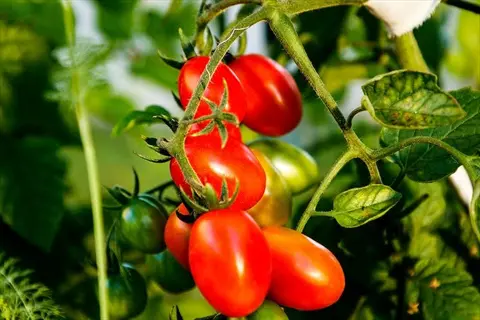
Tomatoes and fruiting vegetables
- Feeding: Tomatoes are heavy feeders that take high-nitrogen guano early for leafy growth, then a higher-phosphorus guano as flowers and fruit form.
- Evidence: In the 2025 trial the highest guano dose raised tomato fruit nitrogen to 3.38%, the highest of any treatment tested.
- Balance: Ease off nitrogen once plants flower, since heavy nitrogen with low potassium can drive lush leaves but weak fruit set.
- Soil: Guano also lifted soil organic carbon to 0.91% in the trial, improving the bed for future crops as well.
- Timing: Start feeding young transplants lightly and reapply roughly every three weeks through active growth.
- Result: Well-fed plants reward you with vigorous vines and nutrient-dense fruit over a long season.
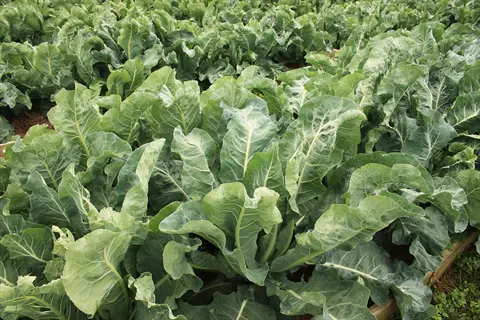
Leafy greens and herbs
- Feeding: Lettuce, spinach, kale, and leafy herbs thrive on high-nitrogen guano, which fuels the tender foliage you actually harvest.
- Speed: A guano tea gives greens a gentle, fast pick-me-up without the burn risk that strong synthetic feeds can bring.
- Evidence: Fenugreek, a leafy legume, reached 16.3 centimeters in four weeks on a 50% guano blend versus 11.3 centimeters for the control.
- Cadence: Light, frequent feeding suits quick-growing greens better than one heavy dose at planting.
- Quality: Steady nitrogen keeps leaves deep green and productive rather than pale and slow.
- Care: Water guano in well so nutrients reach the shallow roots greens tend to have.

Flowering and fruiting ornamentals
- Feeding: Roses, flowering shrubs, and budding ornamentals respond best to high-phosphorus guano that supports blooms and root strength.
- Timing: Switch to the higher-phosphorus guano as buds form rather than during early leafy growth in spring.
- Roots: Phosphorus also strengthens root systems, helping plants establish and recover from transplanting.
- Gentle: The near-neutral pH around 7.5 means guano rarely burns tender flowering plants when used at sensible rates.
- Method: Side dress around the base or water in a guano tea as flowering approaches.
- Result: Plants reward the phosphorus boost with fuller flowering and stronger fruit set.
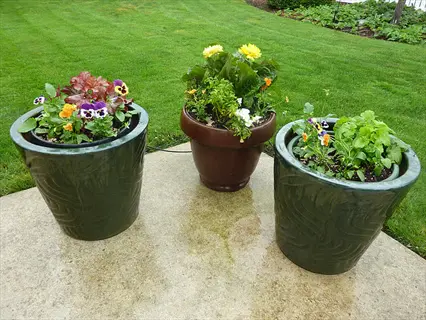
Container and potted plants
- Feeding: Potted plants benefit from guano because its slow release suits the limited soil volume of a container.
- Safety: The near-neutral pH and low burn risk make guano forgiving in pots where roots cannot escape excess feed.
- Method: Mix a small amount into the potting soil at planting or top dress lightly and water in.
- Tea: A diluted guano tea is an easy way to feed containers without disturbing the root ball.
- Restraint: Use less in pots than in beds, since nutrients concentrate in a small soil volume.
- Result: Steady feeding keeps container plants productive through a long growing season.
Match the guano to the plant and the growth stage, and you get the real wins. Use this list as your starting map for the best plants for bat guano in your beds and pots.
5 Common Myths
Bat guano is just dried bat droppings with no real nutritional value, so it cannot compete with proper garden fertilizers.
Peer-reviewed trials show bat guano carries substantial nitrogen and phosphorus, and a high dose nearly matched chemical fertilizer on tomato growth.
All bat guano has the same nutrient ratio, so any product on the shelf works the same way for every plant in the garden.
Nutrient content shifts sharply by bat diet, with insect eaters giving high nitrogen and fruit eaters giving higher phosphorus for flowering.
Using bat guano in your garden will almost certainly give you a serious lung infection from breathing in fungal spores.
The real risk comes from disturbing large droppings piles; small dried bagged product handled with a dust mask is low risk per CDC guidance.
More bat guano always means bigger harvests, so heavy gardeners should pile on as much as their plants can possibly take.
Over-application can leach nitrogen and even suppress fruit set when potassium runs low, so measured doses beat excess every time.
Bat guano works instantly like synthetic fertilizer, delivering a fast nutrient hit the moment you water it into the soil.
Guano is slow-release, feeding gradually as soil microbes break it down, though a steeped guano tea makes nutrients available faster.
Conclusion
Bat guano fertilizer earns its place in the garden because it feeds your plants and builds your soil at the same time. It works as a slow-release organic fertilizer, so the nutrients release over weeks instead of all at once. That steady feed is why it rarely burns roots and why your dirt keeps getting better season after season.
The science backs this up. In one tomato trial, the top guano dose came second only to chemical fertilizer on plant growth. But it beat that chemical feed on soil organic carbon and fruit nutrients. That is the part that pays you back long after harvest.
Keep your plan simple from here. Match the guano type to the job, since high-nitrogen guano drives leafy growth while high-phosphorus guano pushes roots and blooms. Feed at measured rates about every 3 weeks during active growth, and never guess at the bat guano NPK on your bag. Read the label, then follow it.
One more habit keeps you safe. Wear a dust mask when you open the bag and spread the powder, just like you would with any dry soil amendment. Learn a bit about diet-driven nutrients, use sensible rates, and keep your handling clean. Do that and guano stops being a mystery. It becomes one of the most dependable tools you own for real soil health.
Glossary
- Fruit set
- The point at which a plant's flowers turn into developing fruit; poor fruit set means few flowers become fruit.
- Guano
- Accumulated bat or bird droppings that age into a nutrient-rich material used as fertilizer.
- Guano tea
- A liquid feed made by steeping guano in water so its nutrients become available to plants more quickly.
- Histoplasmosis
- A lung infection caused by breathing in spores of the Histoplasma fungus, which can live in soil containing bird or bat droppings.
- N-P-K ratio
- The three numbers on a fertilizer label showing its percentages of nitrogen, phosphorus, and potassium.
- Side dressing
- Applying fertilizer in a ring around the base of an already-growing plant rather than mixing it in before planting.
- Slow-release fertilizer
- A fertilizer that feeds plants gradually over weeks as soil microbes break it down, rather than all at once.
- Soil organic carbon
- A measure of the organic matter in soil that reflects its long-term fertility and health.
External Sources
Frequently Asked Questions
Is bat guano good fertilizer?
Yes. Bat guano is a proven slow-release organic fertilizer, and controlled crop trials show clear growth and soil gains.
What is in bat guano fertilizer?
Bat guano contains nitrogen, phosphorus, potassium, trace minerals, and beneficial microbes, with amounts that vary by bat diet.
How do you apply bat guano fertilizer?
You can mix it into soil, side dress around plants, or steep it as a guano tea, applying every few weeks during growth.
Is it safe to use bat guano as fertilizer?
Small dried bagged guano is low risk when handled with a dust mask; the real concern is disturbing large droppings piles.
What plants benefit most from bat guano?
Heavy feeders like tomatoes, leafy greens, and flowering plants respond well, with the right guano type matched to the growth stage.
Why is bat guano so expensive?
Guano forms slowly in protected caves, then must be mined, dried, processed, and shipped, which all add to its cost.
How fast does bat guano fertilizer work?
It feeds gradually over weeks as soil microbes break it down, though a guano tea delivers nutrients more quickly.
What are the three main fertilizer nutrients?
The big three are nitrogen, phosphorus, and potassium, shown on labels as the N-P-K ratio.
Is bat guano still used today?
Yes. Bat guano remains a respected organic fertilizer in modern gardening, prized for slow-release feeding and soil health.
What are the side effects of using too much bat guano?
Over-applying can imbalance soil nutrients, leach nitrogen, and even reduce fruit set when potassium runs short.