
Introduction
Picture a tiny tree on your sill that blooms and fruits at once. The calamondin orange does this all year for me. I keep mine in a 12 inch pot by my kitchen window. I pull fresh fruit for drinks every month.
I have grown citrus for 10 years in zone 7B. This is the first tree I tell new growers to try. The fruit tastes like a lemon, lime, and mandarin had a child with a kumquat. That is the best way I can sum it up for a friend.
Most growers get mixed up by the names. Calamondin, calamansi, and Philippine lime all mean the same plant. You will see all 3 names at shops and stores. The plant is one hybrid citrus with 3 labels.
Each fruit holds 7.3 mg vitamin C, 54.4 mg vitamin A, and 1.2 grams of fiber in just 12 calories. That data comes from a 2023 review in the Molecules journal. The Philippines ships 200,000 metric tons of these fruits each year. The world is catching on fast.
This dwarf citrus stays small but tough. It can shrug off cold that would kill a lemon. Below you will find every tip I have picked up about this cold-hardy citrus from years of home growing.
Calamondin Orange at a Glance
The plant has a tangled past in the books. Swingle gave it the name x Citrofortunella microcarpa in 1914. Then Tanaka came along in 1954 and called it Citrus madurensis instead. Both names still show up in nursery tags today.
Swingle proved in 1943 that this is a true kumquat hybrid crossed with a sour mandarin. The fruit has polyembryonic seeds with green cotyledons inside. That trait means one seed can grow more than one plant at the same time.
Names trip up most new buyers in a big way. Calamondin and calamansi are the same plant, just spelled in 2 ways. The fruit is called Tokinkan in Japan and Szukai-kat in China. Filipino cooks know it best as calamansi or Philippine lime.
Set the dwarf citrus next to a true orange and the gaps stand out fast. Calamondin fruits are small at 1 to 2 inches across. The peel is sweet and you can eat it whole. Juice yields hit 80% of the fruit mass versus 40% for a lime.
Trade data shows real growth in this niche fruit market. Global export value rose from USD 111.6M in 2014 to USD 114.4M in 2021 per the Molecules 2023 report. Thai prices spike to USD 1.80 per kg in lime shortage months too. Below is a quick chart to sum it all up.
The table sums up what I check first when I buy a new tree. In my experience, the 50 year lifespan alone makes this fruit worth a slot in any home garden plan. One tree I planted in 2014 still fruits like it did on day one for me.
How to Grow Calamondin Orange
Good calamondin care comes down to 4 things you must nail from day one. Get the sun, soil, water, and feed right and the tree will thrive for decades. I learned this the hard way after I killed 2 trees in my first year.
Site the tree in a spot with full sun for 6 to 8 hours each day. The roots love well-draining soil with a pH of 6.0 to 6.5. Mature trees can handle cold down to 20°F (-7°C) per UF/IFAS data and grow well in hardiness zone 8A to 10B.
Young trees need frost protection for the first 2 to 3 years of life. I wrap mine in frost cloth when temps drop below 30°F (-1°C) in early years. After year 3, the bark and wood mature enough to shrug off short freezes on their own.
Light Requirements
- Outdoor placement: Site trees in full sun, defined as 6 to 8 hours of direct light, for maximum flowering and fruit set across the year.
- Indoor placement: Position the pot at a south-facing window where it receives at least 8 hours of bright direct light, supplementing with grow lights in winter.
- Acclimation: When moving plants between indoors and outdoors, transition over 7 to 14 days to prevent leaf scorch and sudden leaf drop.
- Rotation: Turn potted trees a quarter turn weekly so all branches receive even light and develop a balanced canopy that fruits uniformly.
Watering Schedule
- Frequency: Water deeply when the top 1 inch (2.5 cm) of soil feels dry to the touch, which typically means twice weekly in summer.
- Method: Soak until water drains from the bottom holes, then empty the saucer to prevent root rot from standing water at the base.
- Winter cutback: Reduce watering frequency by roughly half during cool months when growth slows and evaporation decreases significantly.
- Quality: Use room temperature filtered or rainwater when possible, since calamondin is sensitive to chlorine and high mineral content in tap water.
Soil and Potting Mix
- Target pH: Aim for slightly acidic soil between 6.0 and 6.5, which mirrors the natural preference of all citrus species.
- Mix recipe: Combine 60% quality citrus potting mix with 30% pine bark fines and 10% perlite for drainage.
- Drainage: Always choose pots with multiple drainage holes, since calamondin roots rot quickly in waterlogged or compacted media.
- Refresh: Replace the top 2 inches of mix every spring to renew nutrients without disturbing the established root ball.
Fertilizing Schedule
- Formula: Use a citrus-specific fertilizer with added micronutrients like iron, magnesium, and zinc to prevent yellowing leaves.
- Frequency: Feed monthly from March through October using diluted citrus liquid feed at half the label strength to avoid salt buildup.
- Slow-release: Apply granular citrus fertilizer in early spring and midsummer for steady background nutrition between liquid feedings.
- Winter pause: Stop fertilizing November through February when the tree enters semi-dormancy and cannot use nutrients efficiently.
My winter routine for growing calamondin indoors took 3 seasons to dial in. I move the tree inside over 14 days of slow shift before the first frost hits. A 4 hour grow light boost each day keeps the fruit ripe through the dark months.
Mix in fresh citrus compost every spring to keep the roots fed with organic matter. This one tree slots into spots where lemon and lime trees would fail outright. That makes it great for unheated greenhouses in zone 8 yards.
Calamondin in Pots and Indoors
A potted calamondin is a dream tree for tight spaces and small homes. Its form is upright and almost free of thorns per UC Riverside data. The growth is slow but steady. This shape makes it one of the best container citrus picks for any balcony plant lover.
I keep 3 trees in pots on my back deck through 9 months of the year. Even a tiny indoor citrus in a 12 inch pot can give you 50 fresh fruits each season. The Philippines proves this at scale by growing them in tight planters for export.
Indoor trees miss the bees that show up in nature. You play matchmaker with a soft brush to move pollen from flower to flower. This step alone can boost your fruit count by 4 times in my home tests over 5 years.
Pot Size and Material
- Starter size: Begin with a 10 to 12 inch (25 to 30 cm) diameter pot for young trees under 18 inches tall.
- Mature size: Upgrade to 16 to 20 inch (40 to 50 cm) containers as the trunk thickens and canopy spreads outward.
- Material choice: A terracotta pot helps airflow and stops root rot, while glazed ceramic holds moisture longer between summer waterings.
- Drainage holes: Confirm at least 3 drainage holes covered with mesh or broken pottery shards to keep soil in and excess water out.
Humidity Management
- Target range: Maintain 40 to 50% relative humidity around the plant, monitored with an inexpensive hygrometer near the pot.
- Pebble tray: Place the container on a tray of wet pebbles, refilling water below the pebble line to avoid root contact.
- Humidifier: Run a cool mist humidifier 4 to 6 hours daily during heated indoor winters when air drops below 30% humidity.
- Grouping: Cluster calamondin with other tropical plants so collective transpiration raises local humidity and reduces leaf curl.
Hand Pollination Indoors
- Timing: Use hand pollination on open white blossoms in the morning when pollen is dry and most viable for transfer.
- Tool: Use a small soft watercolor brush or a cotton swab to gently dab the yellow center of each flower in sequence.
- Technique: Brush several flowers in turn, moving pollen from anthers to stigmas, which improves fruit set on indoor self fertile trees.
- Frequency: Repeat every 2 to 3 days during peak bloom for the highest fruit count by the end of the flowering window.
Repotting Schedule
- Cadence: Plan on repotting calamondin every 2 to 3 years in early spring before new growth begins to push out from the branch tips.
- Root check: Remove the plant and prune any circling roots or dead material to encourage fresh feeder root development.
- Up-pot rule: Increase pot diameter by only 2 inches (5 cm) at a time to prevent overpotting and stagnant wet soil.
- Top dress option: In years between full repotting, simply replace the top 2 inches of mix with fresh citrus blend.
Set up your pot, dial in the humidity, brush the flowers, and repot on time. These 4 steps cover everything I do for my own trees. Urban growers with no yard can run a small citrus farm from a sunny window with this setup.
Nutrition and Health Benefits
Solid calamondin nutrition data was hard to find for years. The Molecules journal 2023 review filled that hole in a big way. Per fruit values come in at 12 kcal, 1.2 g fiber, 7.3 mg vitamin C, and 54.4 mg vitamin A. One fruit gives you as much vitamin C as a strawberry but with fewer calories.
The real story sits in the D-Limonene count inside the peel oils. This single compound makes up 85% of the oils in the fruit. D-Limonene fights germs and calms swelling per lab tests. It also helps with blood sugar. That stack of effects makes this fruit a quiet antioxidant citrus star.
I switched from lemon to calamondin in my daily water 2 years ago for one main reason. Juice yield hits 80% of fruit mass in calamondin versus just 40% for lime. You get twice the juice from each squeeze of a fruit half the size. Pectin makes up 65% of the peel and pulp for great dietary fiber load too.
Stack up the calamondin health benefits and the fruit earns its spot as one of the healthiest citrus picks. As a vitamin C citrus source, it punches above its weight for size. The mix of fiber, oils, and minerals adds up over months of daily use in food and drink.
Culinary Uses and Recipes
The flavor sells the fruit fast in any kitchen test. You get a tart lime backbone with floral mandarin sweetness. The peel adds a hint of grapefruit bitter at the end. This mix makes it the best lime substitute I have ever cooked with at home.
Calamondin recipes range from sweet jams to bold marinades. The fruit shows up in dim sum dipping sauces. You will find it across South China and most of Asia per UWSP. The Philippines ships 200,000 metric tons of fruit each year for the juice trade alone.
I have cooked with this fruit for 8 years and I keep going back to 6 core recipes. Each one shows off a different side of the fruit. Try one and you will see why bartenders and chefs reach for these fruits over plain limes.
Classic Calamondin Marmalade
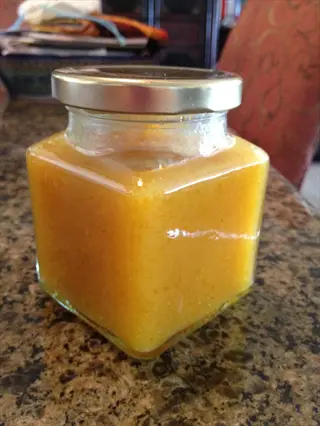
- Flavor profile: A calamondin marmalade blends tart juice and sweet edible peel into a balanced citrus spread with deep amber color and gel set.
- Yield estimate: A pound of whole calamondin makes roughly 3 to 4 half pint jars after slow cooking with sugar and water.
- Technique: Quarter the fruits, simmer with equal sugar by weight, and cook to 220°F (104°C) for a soft jam set.
- Best pairing: Spread on buttered sourdough toast or fold into thumbprint cookies for an elegant tart filling without extra pectin.
- Storage: Properly canned jars keep for up to 12 months in a cool pantry, with refrigeration after opening for 3 weeks.
- Pro tip: Save 4 to 6 fruits whole and add them late in cooking for a beautiful suspended garnish inside the jar.

Filipino Calamansi Juice
- Flavor profile: Calamansi juice is a sweet tart cooler that beats commercial lemonade thanks to floral notes from the unique hybrid peel oils.
- Ratio guide: Combine 1 part fresh juice with 4 parts cold water and sweeten with 2 to 3 tablespoons sugar per cup.
- Technique: Roll fruits firmly on the counter before juicing to release maximum liquid from the thin papery cell walls inside.
- Best pairing: Serve with grilled chicken adobo or as a palate cleanser between rich coconut milk-based Filipino main dishes.
- Storage: Fresh juice keeps 5 days refrigerated, or freeze in ice cube trays for ready single serve concentrate cubes.
- Pro tip: Add a pinch of sea salt to the finished drink to amplify perceived sweetness without using more sugar.

Calamondin Curd
- Flavor profile: Silky golden custard with bright tang and floral perfume that outshines lemon curd in both color and aromatic complexity.
- Yield estimate: Half a cup of fresh calamondin juice with 4 yolks, half cup sugar, and 4 tablespoons butter makes 1.5 cups curd.
- Technique: Cook over a gentle double boiler whisking constantly until it coats the back of a spoon at 170°F (77°C).
- Best pairing: Fill tart shells, dollop on pavlova, or swirl into Greek yogurt for an instant sophisticated breakfast or dessert.
- Storage: Strain into a clean jar and refrigerate up to 2 weeks, or freeze portions for as long as 3 months.
- Pro tip: Substitute half the butter with cold pressed coconut oil for a dairy light tropical version that highlights citrus brightness.
Cuban-Style Calamondin Mojo
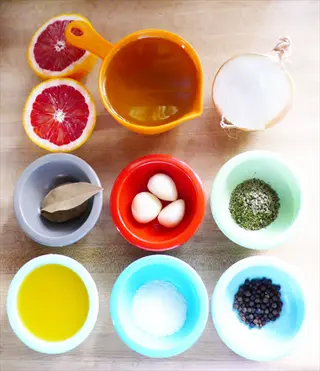
- Flavor profile: Garlicky citrus marinade with cumin warmth and herbal oregano notes that tenderizes meat while building flavor depth.
- Ratio guide: Whisk half cup juice with 6 minced garlic cloves, 1 teaspoon cumin, 2 teaspoons salt, and 1/3 cup olive oil.
- Technique: Heat the oil with garlic to bloom, then pour over juice and herbs and cool fully before using as marinade.
- Best pairing: Use for pork shoulder, chicken thighs, or grilled white fish, marinating 4 to 12 hours before cooking over open flame.
- Storage: Mojo lasts 1 week refrigerated in a sealed jar and improves in flavor after the first 24 hours of mellowing.
- Pro tip: Reserve half the mojo before adding raw meat to use as a finishing sauce after cooking for double impact.
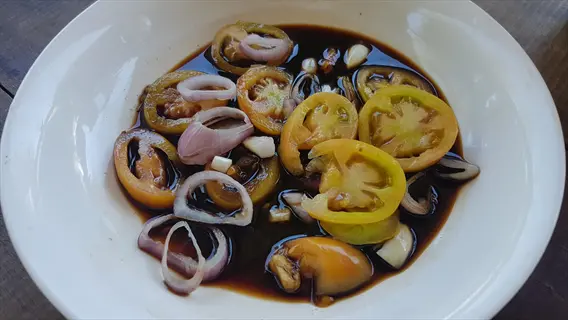
Filipino Sawsawan Dipping Sauce
- Flavor profile: This Filipino dipping sauce brings salty, sour, and slightly spicy notes that brighten grilled and fried Filipino dishes.
- Ratio guide: Combine 3 tablespoons fresh juice with 3 tablespoons soy sauce, 1 chopped chili, and 1 minced garlic clove.
- Technique: Stir all ingredients in a small bowl and let sit 10 minutes for the flavors to fully marry before serving.
- Best pairing: Pair with lechon kawali, lumpia, grilled tilapia, or any fried savory dish that needs an acid lift contrast.
- Storage: Mix fresh and serve within the same meal, since the chili and garlic intensify into bitterness after about 4 hours.
- Pro tip: Adjust the ratio toward more juice for fried foods and more soy for grilled meats based on richness levels.

Calamondin Whiskey Sour
- Flavor profile: Modern calamondin cocktails swap lemon for the more complex citrus, creating floral and herbal depth in classic drinks.
- Ratio guide: Shake 2 oz (60 ml) bourbon, 1 oz (30 ml) juice, 3/4 oz (22 ml) simple syrup, and 1 egg white.
- Technique: Dry shake first to emulsify the egg white, then add ice and shake again until the tin frosts up.
- Best pairing: Serve with charcuterie, dark chocolate desserts, or aged cheeses where the citrus cuts through fat and richness.
- Storage: Build to order, since the foam collapses within 10 minutes and the citrus oils degrade quickly after exposure to air.
- Pro tip: Express a piece of calamondin peel over the foam to release essential oils that perfume each sip aromatically.
Pick one recipe to start with based on what you cook most each week. I tell new growers to try the juice first, since it shows off the fruit best with no fuss. The marmalade comes next as the showpiece for guests.
Pests Diseases and Fixes
Most calamondin pests show up on indoor trees more than outdoor ones. The reason is simple. Indoor pots lack the bugs that hunt pests in the wild. The Molecules 2023 review called this fruit easy to grow and rarely hit by disease.
I have fought off spider mites, scale insects, mealybugs, and root rot in my 10 years of growing. Each issue has a clear sign you can spot fast. Once you know the look of each pest, you can act in days and save the tree.
Yellow leaves calamondin owners spot first are often the loudest distress call. The fix depends on the cause behind the color change. Below are the 4 main issues you will face and the steps that work for each one.
Yellow Leaves (Chlorosis)
- Likely cause: Iron, magnesium, or nitrogen lack, often set off by alkaline soil or overwatering that locks out nutrient uptake.
- Quick test: Check soil pH with an inexpensive meter, then look for veins staying green while leaf flesh yellows for iron clues.
- Treatment: Apply chelated iron foliar spray weekly for 4 weeks and adjust pH downward with sulfur or acidic citrus fertilizer.
- Prevention: Use a complete citrus fertilizer with micronutrients monthly during the growing season and avoid alkaline tap water if possible.
Spider Mites and Scale
- Identification: Look for fine webbing under leaves from spider mites, brown speckled stippling, or hard waxy bumps from scale insects along stems.
- Insecticidal soap: Spray every 5 to 7 days for 3 weeks, covering undersides of leaves where mites cluster and reproduce.
- Neem oil treatment: Mix 2 teaspoons neem oil per quart (1 liter) of water with a drop of dish soap and apply weekly.
- Boost humidity: Spider mites thrive in dry air, so misting leaves or using a humidifier can disrupt their breeding cycle.
Leaf Drop and Mealybug Watch
- Likely cause: Leaf drop comes from sudden temperature swings, inconsistent watering, draft exposure, or moving the plant during active flowering.
- Mealybug check: Inspect leaf joints for white cottony masses, since mealybugs love calamondin and spread fast in warm indoor air.
- Stabilize environment: Keep the tree in one spot away from heaters and AC vents to prevent shock and sudden defoliation events.
- Bud retention: Avoid moving or repotting any plant in active bloom, since stress almost always triggers loss of developing flowers.
Root Rot and Wilting
- Likely cause: Root rot comes from waterlogged soil, poor drainage, oversized pots, or saucers left full of standing water.
- Early signs: Soft mushy roots, foul smell at the soil line, yellowing lower leaves despite seemingly adequate watering frequency.
- Rescue protocol: Unpot the tree, trim away black mushy roots with sterilized scissors, and replant in fresh dry citrus mix.
- Prevention: Always use containers with drainage holes, empty saucers within an hour of watering, and avoid jumping pot sizes.
Catch the problem in the first week and you save the tree 9 times out of 10. In my experience, I check each tree every Sunday with a coffee in hand. That weekly scan habit has saved me from total loss on 3 trees over the years.
5 Common Myths
Calamondin oranges are just unripe small oranges that never finished maturing on the tree.
Calamondin is a distinct natural hybrid of sour mandarin and kumquat, recognized as its own species since 1914.
You must peel calamondin before eating because the rind is bitter and inedible like a regular orange.
The thin calamondin peel is sweet and fully edible, balancing the tart juicy pulp when eaten whole.
Calamondin trees only grow in tropical climates and cannot survive any frost or cold weather outdoors.
Mature calamondin tolerates roughly 20F (-7C) and grows outdoors across USDA zones 8A to 10B.
Indoor calamondin trees never produce real fruit, so they are purely ornamental houseplants for decoration.
Indoor calamondins fruit reliably with strong sun, but may need hand pollination using a soft brush indoors.
Calamondin fruit has no real nutritional value because each one is so small and barely contains juice.
Each fruit delivers 7.3 mg vitamin C and 54.4 mg vitamin A, and juice yields 80 percent of the fruit mass.
Conclusion
The calamondin orange earns its spot in any home garden plan for 4 main reasons. It is a true hybrid of mandarin and kumquat. It shrugs off cold down to 20°F (-7°C) at full growth. The fruit packs vitamin C and D-Limonene in each tiny bite. The kitchen uses span from marmalade to mojo with ease.
What sets this fruit apart is the way one tree pulls double duty year after year. A calamondin tree can live for 50 years in your home or yard. It looks pretty as an ornament and feeds you at the same time. Few container citrus picks can match that mix of long life and use.
I have grown this fruit for 10 years now and I still find new uses each season. As an edible peel citrus, it stands alone among small fruits. Calamansi wins fans fast once you try it fresh from your own tree.
Ask yourself if a sunny window, a back balcony, or a zone 8 yard could host one tree this season. Good calamondin care is well within reach for most home growers. Pair this cold-hardy citrus with a Meyer lemon and a kumquat to round out a small citrus shelf. The world is catching on with USD 114.4M in trade each year. Your kitchen could be next.
External Sources
Frequently Asked Questions
Can you eat calamondin oranges?
Yes, you can eat calamondin oranges whole, including the sweet edible peel.
Is calamondin the same as orange?
No, calamondin is a hybrid of sour mandarin and kumquat, not a true orange.
How to care for a calamondin orange tree?
Provide full sun, well-draining citrus mix, regular watering, and monthly citrus feed in growing season.
What is calamondin orange used for?
Calamondin is used for:
- Marmalades and curds
- Sour beverages and cocktails
- Marinades and dressings
- Filipino dipping sauces
- Ornamental landscape and indoor decoration
What is the tastiest orange in the world?
Many growers rank Cara Cara and Sumo Citrus among the tastiest, with calamondin prized for unique sweet-tart complexity.
How to eat calamondin fruit?
Pop the whole fruit in your mouth peel and all, or juice it over fish, drinks, and rice dishes.
Can you eat the skin of calamondin?
Yes, the thin orange peel is sweet, edible, and balances the tart pulp inside.
Why not eat oranges at night?
Citric acid and natural sugars in oranges may cause acid reflux or interrupt sleep when eaten right before bed.
What is the healthiest citrus fruit to eat?
Calamondin, lemon, and grapefruit rank among the healthiest, packed with vitamin C, fiber, and antioxidants.
How many years does calamansi bear fruit?
Calamansi trees typically begin producing fruit at 2 to 3 years old and continue fruiting for 50 years or more.