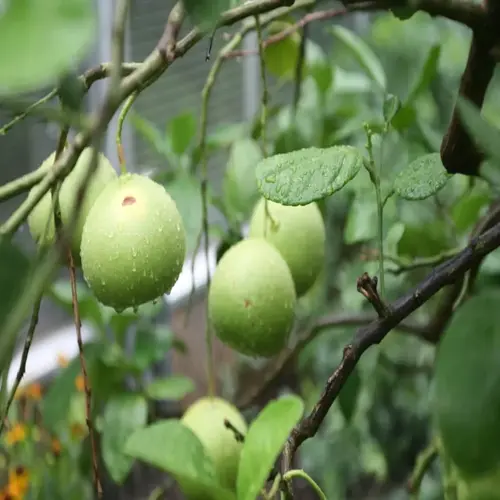

My potted Issai cropped a small bowl of berries on the deck last fall, right in view of the kitchen window. That same vine sat for two years and did almost nothing in its first pot, a little 5-gallon tub that stayed bone dry by noon. I moved it into a 20-gallon container, and within one season it took off and finally fruited. So yes, you can grow a kiwi vine in pots, but the size of the pot decides almost everything.
A container kiwi works because you give the plant what it needs in a smaller footprint. The trade-off is that pots cap your harvest. You will not match an in-ground vine that can run for years and cover a fence. But a steady bowl of fruit each season is very doable when you set your pot up right. For a patio, a balcony, or a small yard with no open soil, a pot is often your only real option, and a good one.
Here is why small pots fail you. Kiwi vines are vigorous and long-lived, and they push a huge root system to feed all that top growth. A cramped pot strangles those roots, dries out fast on warm days, and starves the plant of the steady moisture it wants. The vine survives, but it stalls and barely fruits, exactly what happened to mine in that first 5-gallon tub. Give the roots room and the same plant wakes up and climbs. Think of the pot as the engine. A bigger engine drives more growth and more fruit.
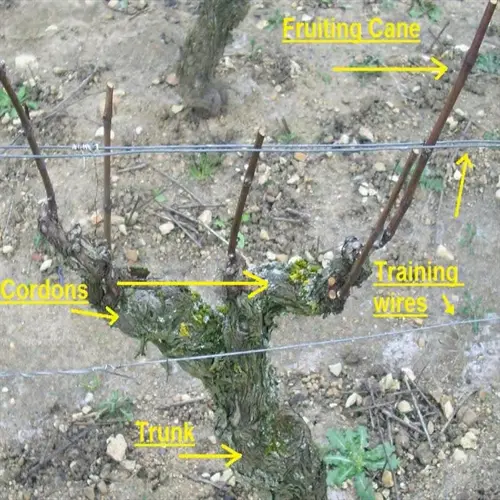
Start with a container that holds at least 15 to 20 gallons, and go bigger if you can lift it. Pick a self-fertile variety like Issai so one plant sets fruit on its own with no partner needed. If you want a heavier crop, run a compact paired setup with one male and one female vine close together. The male never fruits, but it pollinates the female so she carries more berries. Either way you need strong support from the start, since these vines get heavy and reach hard for the sky.
Soil matters as much as pot size. Use a well-drained, slightly acidic mix in the pH 5.5 to 7.5 range, since kiwi roots rot in soggy ground and sulk in heavy clay. Mix in some compost for steady food and a handful of grit so water moves through instead of pooling at the bottom. A strong obelisk or trellis set right in the pot gives your vine something to climb from day one. Put that support in before you plant, so you never spear or disturb the roots later when the vine is already tall.
Care is the part people skip, and it makes or breaks your crop. Water often, because pots dry out far faster than open ground, and a thirsty kiwi will drop its fruit before it ripens. In summer you may need to water every day, so check the top inch of soil and add water when it feels dry. Feed through the growing season with a balanced fertilizer to fuel all that growth. As the vine fills its pot, repot into a larger size or top-dress with fresh soil each spring to keep the roots fed and the plant productive.
Cold is the last thing to plan for. Roots in a pot freeze far easier than roots in the ground, so protect the pot and root zone when hard freezes hit. Wrap the container, move it against a wall, or tuck it into a shed or garage for the worst nights. Do that and growing kiwi in containers pays you back with fruit you picked steps from your own back door.
Read the full article: How to Grow a Kiwi Vine: Full Guide