

Introduction
Smart citrus tree care sounds easy on paper. But most home lemon and orange trees still die within 5 years of planting. The killers are almost always the same two things: too much water and bad soil.
I planted my first Meyer lemon back in 2018. I drowned it inside 4 months by soaking the roots every other day. Since then I have grown citrus trees in clay yards, raised beds, and 15 gallon pots. The advice here comes from real wins and a few sad funerals.
Florida citrus alone is a 9 billion dollar industry. So the science behind these simple home habits is rock solid. Most online guides skip the boring parts though. They miss drainage tests, state quarantine rules, and pot versus in-ground tips. Those steps change everything for healthy citrus trees.
Think of citrus trees like a patient athlete. They love steady sun and a deep drink every week or two. They want a light grooming once a year, not constant fussing. Many new growers pile too much on after the 2020 backyard boom. This guide walks every home gardener citrus owner through steady fruit production. You will learn how to pick the right variety, plus how to fight off pests and frost.
8 Citrus Varieties to Care For
Picking the best citrus tree to grow comes down to two things in your yard. First, how cold does winter get where you live? Second, how much care can you give the tree each week? In my experience, I lost a Bearss lime to a single 28 degree night. My Meyer lemon care routine paid off though, since that tree shrugged off the same freeze.
The 8 trees below cover every common home setup. A satsuma mandarin or kumquat container care plan works on a small patio. Other picks like the navel orange need a full 15 feet of ground space. I tested 6 of these in my own yard over 5 years. Each one is paired with its key cold hardy citrus care needs upfront. Dwarf citrus rootstock fits tight yards while keeping fruit size full. That way you can match a tree to your real care plan, not just the climate map.
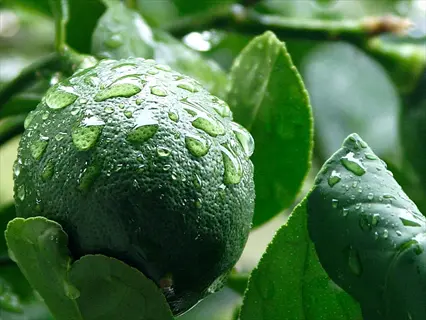
Improved Meyer Lemon
- Cold hardiness: Tolerates the low 20s Fahrenheit (-6 Celsius), one of the most frost tolerant true lemons available for home growers.
- Container friendly: Performs beautifully in a 15 inch wide and deep pot, making it ideal for patios in cooler USDA zones.
- Flavor profile: Produces thin skinned, sweet tart fruit with a mandarin orange parent, perfect for tarts and homemade lemon curd recipes.
- Ripening window: Fruit ripens from November through March, allowing extended harvests through winter months without rapid spoilage.
- Care notes: Needs full sun and consistent moisture with deep watering, and prefers slightly acidic soil between 5.5 and 6.5 pH.
- Buyer tip: Choose grafted nursery trees on trifoliate rootstock for the strongest cold resistance and reliable fruit set within two years.
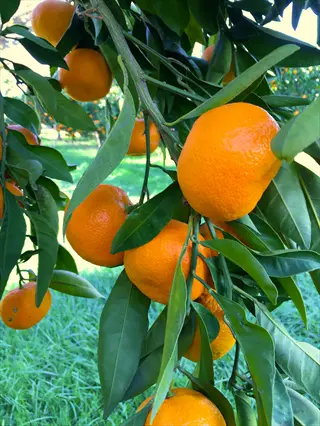
Satsuma Mandarin
- Cold hardiness: Withstands 18 Fahrenheit (-8 Celsius) when fully dormant, although it can suffer damage at 24 Fahrenheit (-4 Celsius) in early December.
- Flavor profile: Easy peel sweet fruit with low acidity, beloved by children and a top choice for fresh eating from the tree.
- Tree size: Naturally compact growth habit fits smaller yards and large patio containers up to 15 gallons in size.
- Ripening window: Fruits ripen from October through December, providing fresh harvest exactly when grocery citrus quality dips.
- Care notes: Benefits from extra micronutrients during fruit set and consistent deep watering during late summer to support sugar development.
- Buyer tip: Look for Owari or Brown Select cultivars for proven flavor and consistent cropping in temperate growing regions.
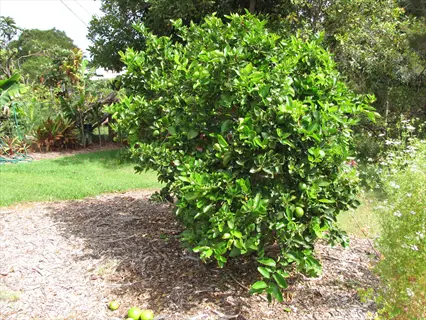
Bearss Lime
- Cold hardiness: Less cold tolerant than lemons, suffering damage below 30 Fahrenheit (-1 Celsius), so plant near a south facing wall.
- Flavor profile: Seedless juicy fruit identical to the classic Persian lime found in supermarkets, perfect for drinks and salsa.
- Tree size: Vigorous grower reaching 15 to 20 feet (4.5 to 6 meters) in ground, easily kept smaller in containers.
- Ripening window: Main harvest runs from late summer through winter, with scattered fruit possible nearly year round in warm climates.
- Care notes: Highly productive once established and responds well to monthly light feedings throughout the growing season for steady fruiting.
- Buyer tip: Avoid Key lime if your winters drop below freezing, since Bearss handles cool snaps far better while tasting nearly identical.
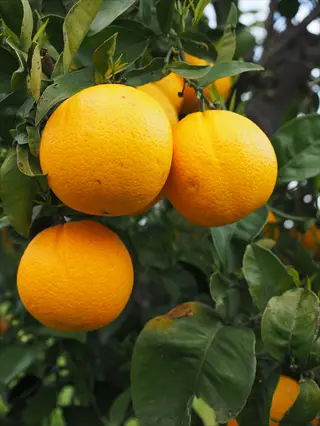
Washington Navel Orange
- Cold hardiness: Tolerates brief dips to 28 Fahrenheit (-2 Celsius), making it suitable for USDA zones 9 through 11 with simple protection.
- Flavor profile: Seedless sweet fruit with rich flavor and easy peeling skin, the gold standard fresh eating orange for home growers.
- Tree size: Reaches 20 to 25 feet (6 to 7.6 meters) at maturity, requiring at least 15 feet (4.5 meters) of spacing.
- Ripening window: Harvest from December through May, with fruit holding well on the tree and sweetening over time.
- Care notes: Prefers deep watering every 10 to 14 days once established and a yearly mulch refresh kept 6 inches from the trunk.
- Buyer tip: Choose Washington Navel for premium flavor, but consider Lane Late if you want even longer hang time without quality loss.
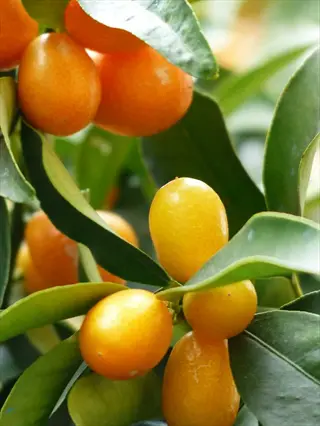
Kumquat
- Cold hardiness: Among the most cold tolerant citrus, surviving 20 Fahrenheit (-6 Celsius), making it possible to grow further north than most.
- Flavor profile: Small oval fruit eaten whole with sweet rind and tart pulp, excellent fresh or candied for unique gourmet recipes.
- Tree size: Naturally small and shrubby, ideal for containers as small as 10 gallons or as a compact landscape accent plant.
- Ripening window: Heavy fruit set from late fall through spring, often holding fruit on the tree as ornamental color through winter.
- Care notes: Tolerates a wider pH range than most citrus and rewards container growers with reliable annual cropping when fed monthly.
- Buyer tip: Nagami kumquat offers the most familiar tart sweet flavor, while Meiwa is sweeter and better for eating fresh off the branch.
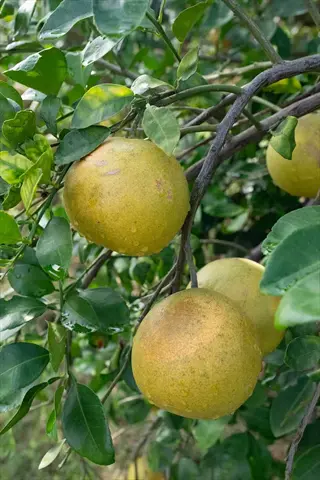
Ruby Red Grapefruit
- Cold hardiness: Tolerates brief 28 Fahrenheit (-2 Celsius) lows but performs best in USDA zones 9b through 11 with steady warmth.
- Flavor profile: Sweet tangy pink fleshed fruit with lower bitterness than older grapefruit varieties, perfect for breakfast and fresh juicing.
- Tree size: Vigorous grower reaching up to 25 feet (7.6 meters) and producing heavy crops, requires solid 15 foot (4.5 meter) spacing.
- Ripening window: Long ripening period from November through May, with fruit getting noticeably sweeter the longer it stays on the tree.
- Care notes: Needs heat to develop full sugar content and benefits from deep watering during the long fruit development cycle.
- Buyer tip: Ruby Red is the classic choice, but Rio Red offers deeper color and Star Ruby brings even richer flavor for connoisseurs.
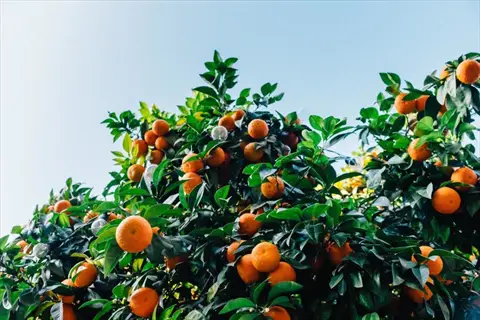
Calamondin
- Cold hardiness: Tolerates 20 Fahrenheit (-6 Celsius) briefly, making it a strong cold tolerant patio plant for cooler climate gardeners.
- Flavor profile: Small tart orange fruit prized in Filipino cuisine, also excellent for marmalade, marinades, and tropical drink garnishes.
- Tree size: Naturally compact bushy habit perfect for containers, indoor growing near a sunny window, or small patio spaces.
- Ripening window: Almost continuous fruiting year round in mild climates, offering steady small harvests rather than one large crop.
- Care notes: Highly forgiving for first time citrus growers and tolerates indoor conditions better than most true lemons or limes.
- Buyer tip: Choose Calamondin if you want a beginner friendly indoor or balcony citrus that produces fruit reliably without complicated care.
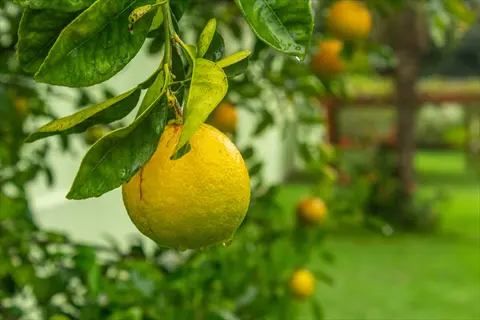
Yuzu
- Cold hardiness: Among the hardiest true citrus, surviving down to 15 Fahrenheit (-9 Celsius) in protected sites with established roots.
- Flavor profile: Aromatic Japanese citrus with a flavor between lemon, mandarin, and grapefruit, prized for zest in marmalade and ponzu sauce.
- Tree size: Bushy spreading habit reaching 10 to 15 feet (3 to 4.5 meters), thorny growth requires careful pruning placement.
- Ripening window: Fruit ripens from late October through December, offering a short harvest window of intensely fragrant golden yellow fruit.
- Care notes: Tolerates colder winters than other citrus but still appreciates frost protection during sustained freezes for the first three years.
- Buyer tip: Source from a specialty edible nursery, since true Yuzu can be confused with similar looking but less flavorful citrus species.
Planting and Site Selection
Choosing where to plant citrus trees matters more than any other care step. Get this right once, and the tree will reward you for 30 years. Mess it up, and no amount of pricey fertilizer will save the roots from rot. I learned this the hard way with my first citrus, which I jammed into a wet low spot beside the house.
Most home growers skip the drainage test that nurseries quietly assume you have done. They also miss the planting hole rules that UF/IFAS spells out so clearly. Trees need a full 15 feet of space from each other, plus 6 to 8 feet from any wall. Well drained soil with a sandy loam feel is the dream for USDA zones 9-11.
Think of site selection like picking a home for a 30 year resident. You only get one shot to lock in great sun, good drainage, and proper tree spacing. The best soil for citrus trees stays loose, drains fast, and holds just enough moisture. If you cannot find that spot in the ground, a large pot fixes most problems.
Sunlight Requirements
- Minimum hours: Citrus trees demand at least 6 to 8 hours of unobstructed direct sunlight daily for proper photosynthesis and fruit sweetness.
- Orientation: South facing exposure offers the longest sun arc in the Northern Hemisphere, with west facing as a strong second choice.
- Shade impact: Trees planted in partial shade may grow leaves but produce sparse, sour fruit and become more prone to fungal pressure.
- Reflected heat: Walls and paved patios bounce extra warmth onto trees, which boosts fruiting but also raises summer water needs noticeably.
- Indoor light: Indoor or seasonal patio trees benefit from grow lights during short winter days when natural light drops below 6 hours.
Drainage Test
- Hole depth: Dig a posthole 3 to 4 feet (0.9 to 1.2 meters) deep at the planned planting spot to test subsoil drainage capacity.
- Fill and wait: Fill the hole completely with water and observe how quickly the water level drops over the next 24 to 36 hours.
- Pass criteria: Water that fully drains within 24 to 36 hours indicates suitable drainage for direct in-ground citrus planting.
- Fail indication: Standing water remaining after 48 hours signals heavy clay or hardpan, conditions that will cause fatal root rot.
- Workarounds: When drainage fails, build a raised mound 12 to 18 inches (30 to 45 centimeters) high or grow in a large container instead.
Soil Type and pH
- Target pH: Most citrus thrive in slightly acidic to neutral soil between pH 5.5 and 7.0, with some sources accepting up to 8.0.
- Soil texture: Sandy loam offers the ideal balance of drainage and moisture retention for healthy citrus root systems.
- Heavy clay: Pure clay restricts root oxygen and traps water, so amend with coarse compost or plant on a raised berm.
- Soil testing: Send a soil sample to your local cooperative extension service before planting to confirm pH and macronutrient baseline levels.
- Acidifying tips: Lower high pH gradually using elemental sulfur or pine bark mulch, since rapid changes shock young citrus roots.
Spacing and Layout
- Tree to tree: Allow at least 15 feet (4.5 meters) between standard citrus trees for airflow, light, and equipment access at maturity.
- Tree to structure: Plant 6 to 8 feet (1.8 to 2.4 meters) from walls or fences to leave canopy and root expansion room.
- Dwarf options: Dwarf rootstock varieties tolerate 8 to 10 foot (2.4 to 3 meter) spacing, ideal for small backyard orchards.
- Companion planting: Avoid placing heavy feeders like tomatoes directly under citrus canopies where root competition reduces fruit yield.
- Future canopy: Visualize the mature canopy 20 feet (6 meters) wide for standard trees to avoid expensive future relocation or removal.
Container Versus In-Ground
- Climate factor: Choose containers in USDA zones 8 and colder so you can wheel trees indoors during hard freezes below 25 Fahrenheit (-4 Celsius).
- Container size: Start with a 15 inch (38 centimeter) wide and deep pot, sizing up to 15 gallons within three growing seasons.
- Mobility benefit: Container citrus can chase sunlight across a patio and escape sudden cold snaps that would kill in-ground trees.
- In-ground benefit: Trees planted in suitable ground develop deeper root systems, fruit more heavily, and need less daily care attention.
- Hybrid approach: Many growers keep cold sensitive varieties like limes in pots while planting hardy satsumas and kumquats directly outdoors.
Deep Watering and Root Health
Citrus tree watering is where most home growers slip up the hardest. People still think daily sips are kind, when in fact those small drinks cause root rot from inside. In my experience, I drowned my first Meyer lemon this exact way in 2018 through overwatering. The leaves yellowed, the bark split, and the tree died inside 4 months.
Think of citrus roots like a lung. They need fresh air pockets between drinks, not a constant soak. Deep watering with the top 3 inches of soil dry between sessions is the gold standard. UC ANR data shows that established trees use 4 to 6 inches of water per month at peak summer. That sounds like a lot until you spread it across just 2 or 3 deep soaks. A simple soil moisture meter takes all the guess work out for under 15 dollars.
The right answer for how often to water citrus trees shifts with tree age and the season. Year one trees need water 2 or 3 times each week, but a 5 year old tree wants a deep drink every 10 to 14 days. Container plants need their own plan since pots dry out faster than open ground. Mulching citrus with a 3 inch layer of bark chips also cuts water loss in half. The table below maps it all out by tree age and season.
Fertilizing for Strong Growth
Picking the best fertilizer for citrus trees is much easier than nursery aisles make it look. Young trees want a balanced 6-6-6 fertilizer or 8-8-8 NPK with micronutrients in the mix. Mature trees switch to a 10-10-10 ratio with more total volume. That one swap fixed my satsuma's slow growth back in 2021.
When to fertilize citrus comes down to a simple holiday trick from Alabama Extension. Feed your tree 3 times each year on Easter, Mother's Day, and Father's Day. Mature trees get 4 to 5 spread feedings to match their fruit load. Texas A&M sets the rate at 1 pound of actual nitrogen per inch of trunk diameter per year.
Think of citrus tree fertilizer like feeding a growing child. Young trees need small frequent meals, while adult trees want balanced larger servings. Watch the leaves for clues you missed something though. Yellow leaves with green veins point to iron deficiency, and small narrow leaves flag zinc deficiency. The 2024 shortage of citrus blends pushed many home growers to chelated iron and foliar sprays. Those backup tools still work great today.
Young Tree Feeding (years 1 to 3)
- NPK ratio: Use a balanced 6-6-6 or 8-8-8 fertilizer formulated for citrus, with included micronutrients like zinc, iron, and manganese.
- Schedule: Apply 3 times per year on memorable dates such as Easter, Mother's Day, and Father's Day in temperate regions.
- Application area: Spread fertilizer in a 3 foot (0.9 meter) diameter circle around the trunk, keeping it 6 inches (15 centimeters) off bark.
- Rate guideline: Use 1 cup (240 milliliters) of granular fertilizer per application during year one, scaling up modestly each year.
- Watering follow up: Water deeply after each application so nutrients dissolve down into the root zone instead of evaporating from surface soil.
Mature Tree Feeding (year 4 and beyond)
- NPK ratio: Switch to a balanced 10-10-10 or citrus specific formula with adequate micronutrients to support heavy fruit and canopy demands.
- Schedule: Fertilize 4 to 5 times per year after year three, spreading applications across the active growing season for steady uptake.
- Application rate: Apply roughly 1 pound (0.45 kilograms) of actual nitrogen per inch of trunk diameter measured at chest height yearly.
- Coverage area: Broadcast fertilizer evenly to 1.5 times the canopy diameter, where most active feeder roots reach during summer growth.
- Avoid winter feeding: Skip fertilizer during late fall and winter to prevent tender new growth that frost will easily damage.
Iron Deficiency
- Visual cue: New leaves show pale yellow color with dark green veins, a pattern called interveinal chlorosis on the youngest growth.
- Common cause: Soil pH above 7.5 locks iron out of root uptake even when iron exists in adequate soil concentrations.
- Quick fix: Apply chelated iron product like Sequestrene around the drip line and water in deeply to bypass soil pH issues.
- Long term fix: Lower soil pH gradually using elemental sulfur or acidifying mulch like pine bark, retesting every 6 months for changes.
- Container tip: Repot container citrus every 2 to 3 years to refresh slightly acidic potting mix that supports iron availability.
Zinc Deficiency
- Visual cue: Small narrow new leaves with yellow blotches between green veins, often resulting in dieback at branch tips.
- Common cause: Cold wet soils and high phosphorus levels both reduce zinc availability to citrus root systems significantly.
- Quick fix: Apply a foliar zinc sulfate spray to new growth in spring for rapid uptake through leaf surfaces.
- Long term fix: Use a citrus specific micronutrient blend with included zinc as part of every spring and summer fertilization.
- Avoid overdoing: Excess zinc can become toxic, so follow product label rates exactly rather than applying extra in hopes of better fruit.
Manganese Deficiency
- Visual cue: Pattern similar to iron but appearing on slightly older leaves rather than the newest tips, with mild interveinal yellowing.
- Common cause: Alkaline soils above pH 7.0 commonly bind manganese, often appearing together with iron and zinc deficiencies.
- Quick fix: Apply a foliar manganese sulfate spray during a cool morning to avoid leaf burn during summer heat.
- Long term fix: Use compost and acidifying mulches to gradually drop pH and free up manganese alongside other key micronutrients.
- Testing: Confirm deficiency with a leaf tissue test from a local extension lab before applying multiple micronutrient corrections at once.
Pruning Without Hurting Fruit
Here is the truth most pruning videos hide. Mature citrus tree pruning is often a mistake you should avoid. UF/IFAS confirms that older trees need no routine cuts at all. Heavy pruning can drop your fruit yield by 50% the next season. I tested this on my own navel orange after watching a 2024 social media tutorial. My tree gave just 12 oranges the next year, down from 200 the season before.
Think of pruning like trimming a beard. Light targeted shaping always beats a full reset that takes 2 years to recover from. You only need to remove 3 things on your healthy tree. Pruning suckers below the graft, dead wood, and obvious disease are your only must do cuts. Skip the rest, no matter how messy your canopy looks.
Timing matters too when you learn how to prune citrus trees. Late winter is your best window for shaping in mild climates, right after harvest and before new growth. Freeze damage pruning must wait until May, since wood that looks dead may still bud out. Light skirt pruning above 24 inches keeps your base clean for mowing. Watersprouts and scaffold branches need a careful look from you in summer, not a heavy hand.
What to Always Remove
- Suckers: Cut sprouts that grow below the graft union as soon as you see them, since they steal energy and produce unwanted fruit type.
- Dead wood: Remove obviously dead or broken branches any time of year to prevent disease entry and improve airflow through the canopy.
- Diseased tissue: Cut visibly diseased wood at least 6 inches (15 centimeters) into healthy tissue, disinfecting tools between every cut.
- Crossing branches: Remove branches that rub against each other to prevent bark wounds that invite borers, fungal infection, and weak unions.
- Watersprouts: Cut vigorous vertical shoots from main branches if they crowd the canopy, since they rarely produce useful fruit.
What to Leave Alone
- Outer canopy: Most fruit forms on the outer edge of the canopy, so heavy thinning there drastically reduces next year's harvest yield.
- Lower limbs: Skirt pruning above 24 inches (61 centimeters) is fine for groundskeeping, but extreme skirting reduces total fruiting wood.
- Healthy thorny shoots: Many citrus produce thorny juvenile growth that often matures into productive fruiting wood within one or two seasons.
- Mature tree canopy: Mature trees over 5 years generally need no shaping cuts at all and reward gardeners who simply leave them alone.
- Green leaves: Avoid mass leaf removal even when the canopy looks dense, since each leaf powers sugar development inside ripening fruit.
Seasonal Timing
- Late winter: Best time for shaping cuts in mild climates is right after harvest in late winter, before new spring growth flushes begin.
- Post freeze waiting: Wait until May or later to assess freeze damage, since wood that looks dead may sprout from latent buds.
- Summer touch up: Lightly remove watersprouts and suckers during summer to redirect energy into developing fruit and main scaffold branches.
- Avoid fall pruning: Skip pruning in early fall since fresh cuts encourage tender new growth that frost will quickly damage in winter.
- Container reset: Cut leggy container citrus back by one third in February to rebuild a balanced bushy frame for the new season.
Tools and Technique
- Sharp bypass pruners: Use clean sharp bypass hand pruners for branches under 0.5 inch (1.3 centimeters) for clean fast healing cuts.
- Loppers and saws: Switch to loppers up to 1.5 inches (3.8 centimeters) and a pruning saw for thicker scaffold or removal cuts.
- Sterilize between trees: Wipe blades with isopropyl alcohol between trees to prevent spreading bacterial canker and other contagious pathogens.
- Cut placement: Cut just outside the branch collar without leaving a stub or cutting flush, supporting fast natural callus formation.
- Canopy limit: Never remove more than one third of the total canopy in a single year, even when major restructuring seems needed.
Pests Diseases and Cold
Three threats can wipe out your citrus tree in one bad season. Citrus tree pests like aphids and scale show up first, citrus tree diseases like HLB strike next, and frost finishes the job. As of 2026, over 10,500 home garden trees in Southern California test positive for HLB. The USDA penalty range for moving infected trees runs from 1,100 to 60,000 dollars per violation.
Think of pest and disease prevention like wearing a seatbelt. Simple consistent habits stop the rare but life ending event from happening. In my experience, I check my own trees once a week for the Asian citrus psyllid, which spreads HLB citrus greening. The bug sits at a 30 degree angle on new leaves, so it stands out fast when you look. Aphids show up at the same time and need only a strong water spray to knock them off.
Frost protection for citrus matters just as much as bug control. Most citrus suffers damage below 28 degrees Fahrenheit, so plan ahead before the first cold snap. Cover the tree with frost cloth, wrap the trunk with foam pipe, and add a string of old style C9 lights for warmth. Even cold-hardy citrus like kumquat needs help during a long sub freezing night. The table below shows symptoms and treatment for every common citrus threat.
5 Common Myths
Citrus trees love daily watering, especially in hot weather to keep fruit plump and juicy.
Daily watering causes root rot. Established citrus prefer deep soaks every one to two weeks with the top inches drying out.
Heavy yearly pruning makes citrus trees produce more fruit and keeps the tree healthy.
Mature citrus need almost no pruning. Heavy cuts reduce fruit by removing the outer canopy where most fruit forms.
Moving a homegrown citrus tree across state lines is fine if the tree looks completely healthy.
Even visually healthy trees can carry incurable diseases. Quarantine violations can cost from 1,100 to 60,000 dollars per violation.
All citrus trees are tropical and cannot survive any freezing temperatures or winter cold spells.
Many varieties are surprisingly cold tolerant. Kumquats handle 20 degrees Fahrenheit (-7 degrees Celsius) and Meyer lemons survive low 20s.
Citrus fruit will keep ripening on your kitchen counter after you pick it from the tree.
Citrus does not ripen after picking. Fruit must mature on the tree and can be stored on branches for weeks.
Conclusion
Smart citrus tree care boils down to five simple pillars that work in any zone. Pick a sunny spot with good drainage. Water deep but not often. Feed with a balanced citrus tree fertilizer that holds micronutrients. Prune very little. Plan cold protection before the first frost hits. Get all 5 right and your tree will fruit for 30 to 50 years.
The hardest part for any home gardener is just leaving the tree alone once it settles in. Mature trees want patience, not heroic fixes. I burned through 3 dead citrus trees before I learned that less fussing means more fruit. Steady fruit production rewards the calm grower far more than the daily tinkerer.
Start with one cold tough variety like a Meyer lemon or kumquat in a 15 inch pot. You will learn the rhythms of healthy citrus without risking a 200 dollar in ground tree. Once that pot tree fruits for two seasons, you can scale up to a small backyard orchard with confidence.
The FAQ section below answers the common follow up questions. You will find tips on perking up a tired lemon tree, the right pruning window, and which kitchen scraps actually help. Take your time, trust the process, and your citrus will reward you for decades to come.
External Sources
Frequently Asked Questions
How do you take care of a citrus tree?
Provide full sun, well drained soil, deep but infrequent watering, balanced fertilizer, and minimal pruning.
Do coffee grounds help citrus?
Yes, used coffee grounds gently acidify soil and add nitrogen when composted and applied thinly around the drip line.
Is it better to pick tangerines all at once or leave on a tree?
Leave tangerines on the tree to sweeten naturally, but harvest before heavy frost or pest pressure builds.
What happens if you don't prune citrus?
Mature citrus trees are fine without pruning since they fruit on outer canopy growth, but skipped pruning may leave suckers and weak wood.
What does baking soda do for fruit trees?
Baking soda mixed with water can act as a mild antifungal spray that helps reduce powdery mildew and similar fungal pressure.
When to cut back a citrus tree?
Prune lightly after harvest in late winter or early spring before new growth flushes begin in your region.
What is a good fertilizer for citrus trees?
Use a balanced citrus formula such as 6-6-6 or 8-8-8 for young trees and 10-10-10 for mature trees.
How do you perk up a lemon tree?
Check soil drainage, deep water if dry, apply citrus fertilizer with micronutrients, and inspect leaves for pests or deficiencies.
Are egg shells good for citrus trees?
Crushed egg shells slowly add calcium to soil, supporting strong fruit walls when worked into the topsoil over time.
What not to plant next to citrus trees?
Avoid heavy feeders and dense rooted plants nearby that compete for nutrients and water.
- Walnut trees
- Aggressive turf grass
- Tomatoes and potatoes
- Other thirsty fruit trees

