
Introduction
You can grow a cut flower garden even if you have never kept a plant alive before. It does not take a big plot or a green thumb. You just need a sunny patch of ground and a few easy seeds. This guide draws on seven college extension guides. It is not built on one grower's lucky year. So every tip here holds up in real dirt.
So what counts as a cut flower? Here is how the Illinois Extension sees it. A cut flower is any flower or flower bud you cut from the plant and use to decorate. That covers fresh or dried vase displays, wreaths, and garlands. A cutting garden is grown for that harvest, not for looks in the bed, so it can sit gappy and plain while it keeps your kitchen table full.
Most beginner guides stop at full sun and a list of pretty names. They skip the parts that decide whether your blooms thrive or flop. You rarely see per-flower vase life, the exact soil pH your flowers want, or how to stop pests before they ruin a crop. This post fills those gaps with extension-backed specifics you can act on right away.
Here is the path we will walk together. First you pick the right site and sun, then prep the soil and test it. Next you choose flowers by their role and season, plant them with smart spacing, and stagger sowings so blooms keep coming. Last comes harvest timing and conditioning stems for long vase life. Growing cut flowers this way works for a true cut flower garden for beginners, and we start with the best flowers to grow next.
Best Cut Flowers To Grow
The best cut flowers to grow are the ones that forgive your mistakes while you learn. UConn Extension puts it well, suggesting you grow easy flowers first and then move on to more demanding ones. So you'll find the picks below sorted by difficulty and by the job each bloom does in your bouquet. Pick a few from the top and you can start cutting this summer.
Start with easy cut flowers for beginners you can drop straight into the soil. UConn lists simple direct-seed picks like zinnias, cosmos, sunflowers, and tall African marigolds. You can sow bachelor buttons too. Snapdragons, rudbeckia, and asters are fussier, so buy those as transplants your first year.
Most of these are annual cut flowers. They bloom the same year you plant them, so you get the fastest payoff. I packed my zinnias too tight in one of two 4 by 4 foot raised beds along the sunny south fence. By a humid August, gray mildew crept up the lower leaves of every Benary's Giant. The next spring I cut my seed count in half and left real gaps between plants. That airflow alone kept the leaves clean all season.
Each pick below pairs a flower with its role in the vase. That way you can mix focal blooms, fillers, and spikes into a full bouquet. One note on sunflowers first. UF/IFAS Extension says to pick pollenless varieties bred for cutting. They will not drop pollen on your flowers, and most garden types reach 4 to 5 feet (1.2 to 1.5 meters) tall.
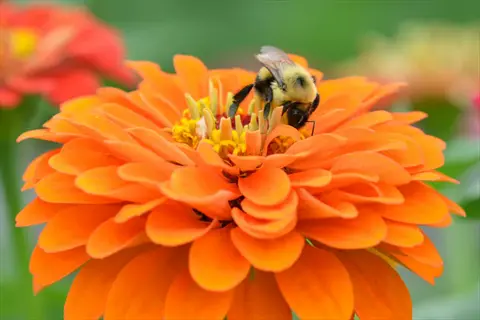
Zinnias
- Difficulty: Among the easiest cut flowers to direct sow, which is why UConn Extension lists them first for beginners.
- Role: A classic disc or mass flower that gives bouquets a bold, rounded focal shape in many colors.
- Vase life: Generally long-lasting in the vase, though exact days vary by variety and how well stems are conditioned.
- Growing: Loves heat and full sun; cut-and-come-again, so frequent harvesting encourages more blooms all summer.
- Spacing: Pack annuals around 9 by 9 inches (23 by 23 centimeters) for long straight stems with enough airflow.
- Tip: Harvest when the stem is firm just below the bloom and does not bend when gently shaken.
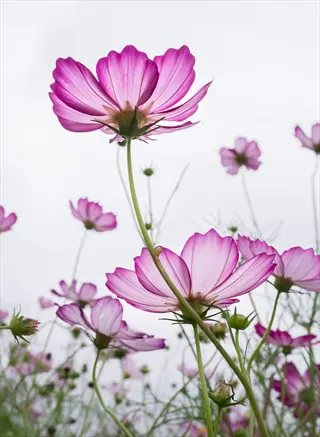
Cosmos
- Difficulty: Very easy to direct sow and forgiving of lean soil, making them a reliable first-year choice.
- Role: An airy filler that adds delicate movement and softens the structure of a mixed bouquet.
- Vase life: Moderate vase life that improves when stems are cut just as buds begin to open rather than fully open.
- Growing: Thrives in full sun; too much rich soil produces leaves over flowers, so avoid heavy feeding.
- Spacing: Give them room within the close annual spacing range so airflow stays good in humid weather.
- Tip: Deadhead and harvest often to keep the plant producing fresh blooms through the season.
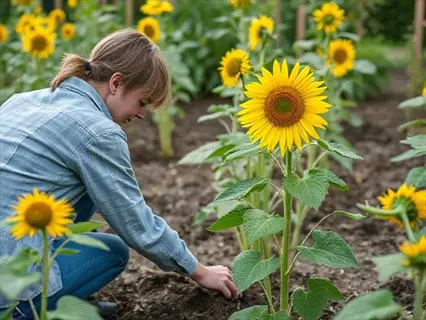
Sunflowers
- Difficulty: Easy to direct sow and fast to bloom, ideal for impatient beginners wanting quick results.
- Role: A strong focal flower; most garden varieties reach 4 to 5 feet (1.2 to 1.5 meters) tall.
- Vase life: Good vase life when harvested as petals just start to lift away from the central disc.
- Variety note: Per UF/IFAS Extension, choose pollenless varieties bred for cutting so they do not shed pollen on arrangements.
- Succession: Many branching types rebloom, while single-stem types are one-and-done, so sow in batches.
- Tip: Plant fresh batches every couple of weeks for a continuous summer supply of blooms.
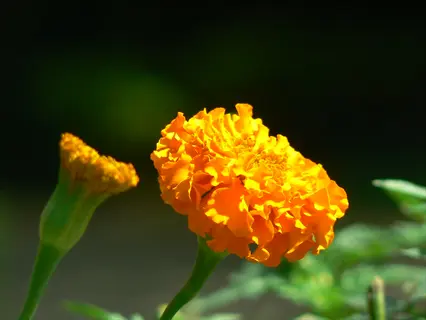
Marigolds
- Difficulty: Tall African marigolds are an easy direct-seed choice that UConn Extension recommends for beginners.
- Role: A warm-toned disc flower that adds dependable color and a long bloom window to arrangements.
- Vase life: Reasonable vase life; the strong scent fades once stems are conditioned in clean water.
- Growing: Full sun and well-drained soil keep them blooming heavily right up to the first frost.
- Spacing: Fits the close annual spacing approach and tolerates warm, dry conditions well.
- Tip: Cut stems long and remove lower leaves so nothing sits below the waterline in the vase.
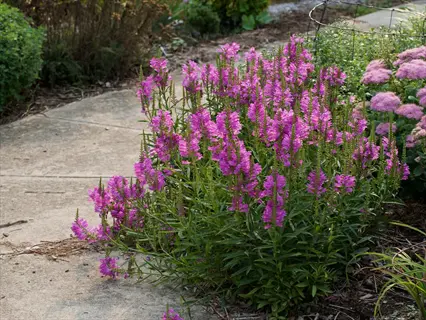
Snapdragons
- Difficulty: A little more demanding, so UConn Extension suggests buying them as transplants rather than direct sowing.
- Role: A spike or line flower that gives bouquets vertical exclamation points and structure.
- Vase life: Good vase life; harvest when the lower third of the flower spike has opened.
- Growing: Prefers cooler conditions and full sun, often performing best in spring and fall.
- Spacing: Space within the standard cut flower range to keep airflow strong and stems straight.
- Tip: Pinch young plants once to encourage multiple long, branching stems for cutting.
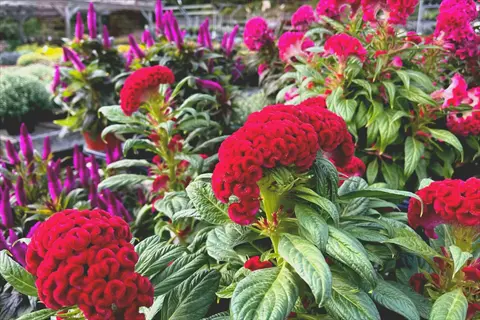
Celosia
- Difficulty: Easy to grow once established and tolerant of heat, a good step up from the simplest annuals.
- Role: A textured interest flower that doubles as a dried flower for wreaths and lasting displays.
- Vase life: Long-lasting fresh and excellent dried, making it a versatile choice for arrangements.
- Growing: Loves full sun and warm soil; plumed and crested forms each add different texture.
- Spacing: Give it room within the close annual spacing so plants develop full, sturdy stems.
- Tip: Hang stems upside down in a dry, airy spot to dry them for off-season bouquets.
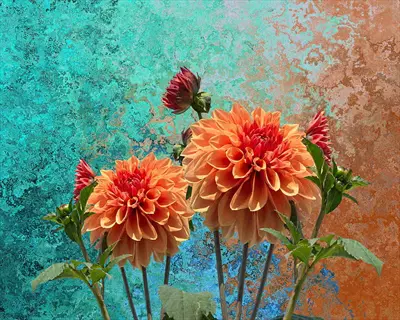
Dahlias
- Difficulty: Grown from tubers and more involved, so they suit gardeners ready to move beyond the easiest flowers.
- Role: A showy focal flower that anchors a bouquet with large, full blooms in late summer.
- Vase life: Shorter-lived in the vase than zinnias, so harvest fully open and use them in fresh arrangements.
- Growing: Per UConn Extension, dahlias planted in mid-May bloom by late July and continue until heavy frost.
- Overwintering: In cold zones, lift and store tubers after frost, or mulch heavily where winters stay mild.
- Tip: Cut them when fully open since dahlia buds do not keep opening once removed from the plant.
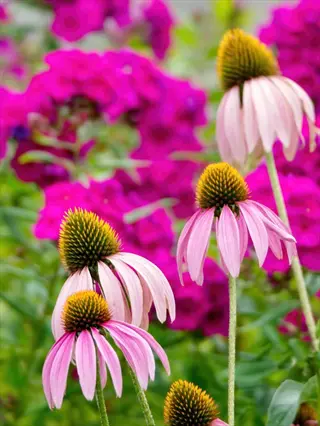
Coneflowers
- Difficulty: A perennial option that needs patience, since perennials from seed usually do not bloom until year two.
- Role: A disc-shaped focal flower that also draws pollinators into the garden.
- Vase life: Good vase life and a sturdy stem, plus seed heads that add interest to fall arrangements.
- Growing: Per Mississippi State Extension, coneflowers are a recommended full-sun cut flower for many regions.
- Longevity: As a perennial, it returns year after year once established, unlike the annuals above.
- Tip: Leave some blooms uncut late in the season so seed heads can feed birds over winter.
Work your way down this list as your skills grow. Dahlias and coneflowers ask for more from you than zinnias or cosmos, but they reward the effort with big late-season blooms. Get a season of easy annuals under your belt first, then add a couple of the harder picks and watch your bouquets get richer.
Site, Sun And Soil Basics
The spot you pick decides how well your flowers grow long before you plant a single seed. Get the sun and soil right and most of your work is already done. Skip this part and even the best seeds will let you down.
Sun comes first. UConn and Michigan State Extension both want full sun cut flowers to get 6 to 8 hours of direct light per day. Blooming plants need that much to set strong stems and steady flowers. Virginia Tech asks for full sun plus a little wind protection, since open gusts can snap tall stems and dry out beds fast.
Soil is the other half of the job. Run a soil test before you plant anything, because that one cheap step tells you what your dirt actually needs. Most flower species do best at a soil pH of 6.0 to 7.5 per Mississippi State Extension. UConn and Illinois Extension both stress well-drained soil that stays fertile, so roots get air and water without sitting in mud.
If your ground holds water, build up instead of digging down. Virginia Tech treats raised beds as close to required for good drainage. A bed mounded 4 to 8 inches (10 to 20 centimeters) high acts like a free-draining sponge. Water soaks in and drains away, so roots stay out of standing water. Keep each bed about 4 feet (1.2 meters) wide and you can reach the middle from both sides without stepping on the soil.
Run a soil test before adding fertilizer so you amend based on what the soil actually needs rather than guessing, which wastes money and can harm flowers.
Planting, Spacing, Succession
How you plant your cut flower garden decides how much you get to cut later. Get the plant spacing for cut flowers right and you grow longer, straighter stems that look great in a vase. The plan below blends clean planting steps with a few tricks that beginners rarely hear.
Spacing works best as a range, not a single rule. UConn says 9 by 9 inches (23 by 23 centimeters) suits most annuals, and that close spacing is the figure to start from. Michigan State leans wider at 8 to 12 inches (20 to 30 centimeters) to keep air moving between plants. Tighter spacing forces taller, straighter stems. But it also raises disease risk, so good airflow and drip irrigation matter.
Loosen well-drained soil, mix in compost, and rake the surface smooth so seeds and transplants settle in evenly.
Set most annuals about 9 by 9 inches (23 by 23 centimeters) apart for long, straight stems with enough airflow.
Direct sow easy flowers like zinnias and cosmos, and set out transplants of demanding flowers like snapdragons.
Plant a fresh batch every couple of weeks so new flowers keep coming as earlier ones fade through the season.
Give about 1 inch (2.5 centimeters) of water per week and keep cutting blooms to signal more production.
Knowing when to direct sow versus when to buy plants saves you a lot of guesswork. Sow easy flowers like zinnias and cosmos straight into the bed, since they sprout fast and hate being moved. The seeds vs transplants call gets simpler with the fussy ones. Buy snapdragons, rudbeckia, and asters as transplants so you skip weeks of slow, finicky seed starting.
The real secret to a full garden is succession planting. Sow a fresh batch of seeds every couple of weeks rather than dumping everything in at once. That steady drip of new plants gives you continuous bloom instead of one short, frantic flush. Gladioli are a good example. You can tuck a few corms in every other week until mid-June and stretch their spikes across the summer.
My two 4 by 4 foot raised beds held flowers from July right up to frost, and the kitchen window framed them the whole time. I planted zinnias and cosmos in waves, a short row every two weeks from late spring on. The first sowings faded by August, but the next batch was already budding behind them. I cut a fresh jar for the table most mornings and never ran the beds bare.
One more thing on timing matters for new gardeners. Annuals bloom the same year you plant them, which is why they are the best first crop. Perennials grown from seed usually wait until year two to flower, per SDSU. So lean on annuals for fast results and add a few perennials as a long game on the side.
Flower Roles For Bouquets
A pile of pretty stems does not make a bouquet on its own. The trick is giving each flower a job, and the easiest way to think about that is with five flower arranging categories. Once you sort your blooms by role, building a vase that looks good gets a lot simpler.
Build a balanced bouquet like you plan a meal. Your focal flowers are the main course that everyone notices first. Spikes and discs add the structure that holds the plate together. And your foliage and fillers are the seasoning that finishes the whole thing off.
Michigan State Extension splits cut flowers into the same working groups. Line flowers like snapdragons and gladiolus give you height. Mass or disc flowers like zinnias and dahlias add body. Filler flowers like statice and strawflowers cover the gaps. And interest flowers like celosia and cosmos add a fun twist. The names shift a little from source to source, but the jobs stay the same.
Focal Flowers
- What they do: Focal flowers are the eye-catching stars that anchor the arrangement and draw attention first.
- Examples: Dahlias, sunflowers, and large zinnias make strong focal points in a beginner bouquet.
- How to use: Place a few focal blooms first, then build the rest of the bouquet around them for balance.
Spike Or Line Flowers
- What they do: Spike flowers add height and vertical exclamation points that give a bouquet structure and movement.
- Examples: Snapdragons and gladiolus are classic line flowers, listed by Michigan State Extension.
- How to use: Tuck spikes around the focal flowers to lead the eye up and out of the arrangement.
Disc Or Mass Flowers
- What they do: Disc flowers add rounded, solid shapes that fill space and create a full, balanced look.
- Examples: Zinnias, dahlias, and sunflowers act as mass or disc flowers in Michigan State Extension's framework.
- How to use: Group them through the middle to give the bouquet body without leaving gaps.
Filler Flowers
- What they do: Fillers cover gaps and tie the colors together so the bouquet reads as one cohesive piece.
- Examples: Statice and strawflowers serve as fillers, and both dry well for lasting arrangements.
- How to use: Add fillers last to soften edges and connect the focal and spike flowers.
Airy Bits And Foliage
- What they do: Airy sprigs and greenery add delicate movement and a fresh, garden-gathered feel.
- Examples: Ferns, ornamental grasses, basil, and dill work as foliage fillers per Mississippi State and UConn.
- How to use: Weave airy stems throughout so the bouquet looks loose and natural rather than stiff.
UConn boils this down to a recipe you can repeat every time. Start with a focal flower. Add a few spiky stems for height. Fill in some mounded shapes. Then tuck in greenery and a few airy sprigs. Greenery does real work here, so don't skip it. Ferns, ornamental grasses, basil, and dill all pull the colors together and give the bouquet that gathered look.
You don't need all five roles in every jar. A handful of zinnias and a sprig of dill still reads as a thoughtful bunch. But once you grow at least one flower from each group, you can mix a fresh balanced bouquet from your own beds any week of the season.
When And How To Harvest
Knowing when to harvest cut flowers decides whether a bloom lasts a day or a week in the vase. The good news is that the timing comes down to two simple things, and you already have everything you need to get both right.
Cut during the coolest hours, when the plants are full of water and least stressed. Michigan State and Virginia Tech both point to early morning. Illinois favors a late day cut. They agree on what counts, so aim for early morning or evening and skip the midday heat.
The harvest stage matters just as much as the hour. Holly Scoggins of Virginia Tech makes the point well. Cut too early and some flowers will not open. Cut too late and you lose much of the vase life. Think of it like picking fruit at the right ripeness. The moment you cut sets how long the bloom holds.
For most flowers, that means cutting as the buds just begin to open. A few exceptions like dahlias need to be fully open before you cut them. Here is how to cut flowers so they reach the vase in the best shape.
- Timing: Cut during the coolest hours of the day, early morning or evening, when plants are fully hydrated.
- Stage: Harvest most flowers as buds just begin to open, since dahlias and a few others must be fully open.
- Stem length: Cut stems longer than you think you need so you have flexibility when arranging.
- Clean tools: Use sharp, clean snips or a knife to avoid crushing stems and spreading bacteria.
- Remove any leaves that would sit below the waterline in the vase.
- Place cut stems in cool water for one to two hours before arranging so they take up water.
That one to two hour soak in cool water is the step most beginners skip, yet Illinois Extension calls it out for a reason. The stems drink deeply before you ever touch a vase, so the blooms hold up far longer once arranged.
Cutting often is its own reward here. Deadheading, the simple act of removing spent or harvested blooms, signals the plant to keep producing more. So every morning harvest doubles as a chore that pushes your garden to bloom again and again.
Skip harvesting in midday sun, when flowers are most stressed and dehydrated; cutting in the cool of morning or evening gives you the longest vase life.
Make Cut Flowers Last Longer
You grew the blooms, so do not let them flop in 2 days. Conditioning cut flowers the right way buys you extra days in the vase. It comes down to a few science-backed habits that keep stems drinking water.
Think of clean water and flower food as a hospital drip for your stems. The cut end keeps trying to drink, and bacteria want to clog that path. Virginia Tech found that acidic water at pH 3.0 to 5.5 holds bacteria down so blooms sip freely and stay fresh longer.
A real floral preservative has 3 parts, and you need all of them. Mississippi State and Illinois Extension both name the same trio. You want a carbohydrate to feed the bloom, an acidifier to lower the pH, and a biocide to kill bacteria. Each part does its own job.
Knowing how to make cut flowers last longer comes down to a short routine. Recut, feed, keep the water clean, and stay cold. Here is the full guide at a glance.
Two small steps stretch vase life the most. Always recut 1/2 to 1 inch off the stems at a 45-degree angle, which UF/IFAS notes opens a fresh surface for water. Not ready to use them yet? Hold the stems cold at 32 to 35°F (0 to 2°C) like SDSU advises. Cold slows aging and buys you days.
Keep cut flowers away from any fruit or vegetable, because the ethylene gas produce releases causes premature wilting and shortens vase life, a point Virginia Tech Extension stresses.
5 Common Myths
A cut flower garden has to be a big, separate plot of land before it is worth planting at all.
A small 4 by 4 foot (1.2 by 1.2 meter) raised bed grows plenty of bouquets, and flowers can tuck into existing beds.
You should always follow the wide plant spacing printed on the back of the seed packet for cut flowers.
Many cut flower growers space annuals closer, near 9 by 9 inches (23 by 23 centimeters), for longer, straighter stems.
Cutting flowers from your plants harms them and leaves you with fewer blooms over the growing season.
Regular cutting and deadheading signal many flowers to keep producing instead of setting seed, giving you more blooms.
Cut flower gardens are beautiful, tidy display beds that look polished from spring through the first frost.
Cutting gardens are working spaces grown for harvest, so they often look gappy and plain rather than showy.
Adding a copper coin or a splash of soda to the vase is the proven secret to making flowers last.
Vase life depends on clean water, proper flower food with sugar, acid, and a biocide, and recutting stems.
Conclusion
A cut flower garden comes down to a handful of steps that build on each other. You pick a sunny spot with soil that drains well, then choose flowers by the job they do in a vase. You set them close together, stagger your sowings, and cut your blooms in the cool hours of the day. After that you condition the stems so they last. None of it is hard once you see how the pieces fit.
The numbers behind these steps come from university extension research. That makes them far safer than a guess. Give your beds 6 to 8 hours of sun each day. Test your soil and aim for a pH of 6.0 to 7.5. Space most annuals about 9 by 9 inches (23 by 23 centimeters) apart. Give them roughly 1 inch (2.5 centimeters) of water per week. Hit these marks and the rest gets much easier.
If you are new to this, start small and start easy. Zinnias, cosmos, and sunflowers all grow fast from seed and forgive beginner mistakes. Get a season under your belt with those before you add fussier flowers like snapdragons or dahlias. UConn says the same thing in plain terms, and it works. Growing cut flowers is a skill you build one bloom at a time.
Your first year is really about learning your own patch of ground. You find out which corner gets the most light, how fast your soil dries out, and which flowers you reach for again and again. A small bed this season can grow into something much bigger next year. The reward for a cut flower garden for beginners is simple and steady. You get fresh homegrown bouquets and continuous bloom on your table all summer long.
Glossary
- Conditioning
- Treating freshly cut stems with clean water, flower food, and a fresh angled cut so blooms drink well and last longer in the vase.
- Cut flower garden
- A garden grown so its blooms can be harvested repeatedly for fresh or dried arrangements rather than for landscape display.
- Cut-and-come-again
- A flower that produces more blooms the more it is cut, rewarding frequent harvesting.
- Deadheading
- Removing spent or faded blooms so a plant keeps producing new flowers instead of setting seed.
- Filler flower
- Small flowers that fill gaps in a bouquet and tie its colors together into one cohesive arrangement.
- Focal flower
- The large, eye-catching bloom that anchors a bouquet and is placed first when arranging.
- Succession planting
- Sowing flowers in staggered batches every few weeks so new plants bloom as earlier ones fade, keeping a steady supply all season.
- Vase life
- How long a cut flower stays fresh and attractive in a vase after harvesting.
External Sources
Frequently Asked Questions
What is a cut flower garden?
A cut flower garden is a garden grown so you can harvest blooms repeatedly for fresh or dried arrangements, not for display.
How do I start a cut flower garden for beginners?
Start with a sunny, well-drained spot, easy flowers like zinnias, and succession planting for steady blooms.
When should I start my cut flower garden?
Time it around your last frost date, starting cool-season flowers earlier and warm-season flowers after frost passes.
What is the easiest cut flower to grow?
Zinnias are widely considered the easiest, alongside cosmos, sunflowers, and marigolds for beginners.
What flowers should not be planted together?
Group flowers by matching sun, water, and spacing needs so aggressive or thirsty plants do not crowd out others.
How do I make cut flowers last longer in a vase?
Harvest in cool hours, use a clean vase with flower food, recut stems, and keep them away from fruit.
How much sun does a cut flower garden need?
Most cut flowers need at least 6 to 8 hours of direct sun per day to bloom and produce strong stems.
What is succession planting in a cut flower garden?
Succession planting means sowing in batches every few weeks so you keep harvesting fresh blooms all season.
Are annuals or perennials better for cutting?
Annuals bloom quickly the first year while perennials return yearly, so most gardens use a mix of both.
How big should a cut flower garden be?
A small bed, such as a 4 by 4 foot raised bed, is enough to grow plenty of bouquets for a beginner.