
My own pothos sat by the east-facing kitchen window and lost four leaves to yellow at once. I noticed the base felt limp and mushy where the stem met the soil. I checked the pot with a finger and it came up cold and heavy. The soil was still soaked from a watering two days back. This plant had too much water, not too little.
So no, yellow leaves overwatering is not a fixed rule. Too much water is the leading cause of yellow leaves on houseplants. But it is not the only one. Light, food, pests, and plain old age turn leaves yellow too. The soil tells you which problem you really have. So check it before you reach for the watering can.
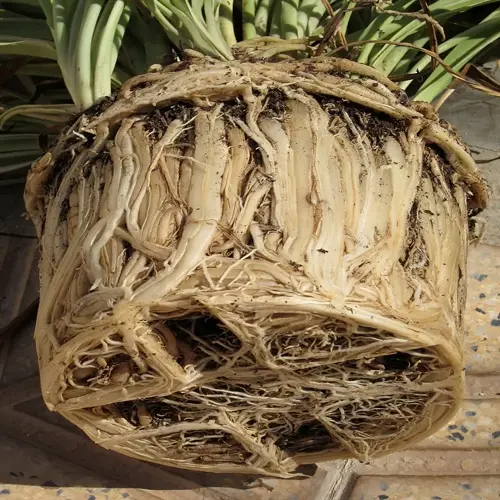
Here is why soggy soil does the damage. Your roots need air pockets in the soil so they can breathe and pull up water and food. When the soil stays wet, those pockets fill with water and the roots suffocate. Starved of oxygen, they stop feeding the plant and start to rot. That root rot is what spreads yellow across many leaves at once.
Cold, wet soil hurts your plant in a second way too. It makes iron chlorosis worse. That is when the plant cannot use the iron it needs. University of Minnesota Extension points to cold, soaked soil as a cause. The leaves pale even faster. So a chilly windowsill plus a heavy pot is a bad mix. Warm the spot and dry the soil and the green often comes back on its own.
The clearest way to spot yellow leaves overwatering is to read the leaves and the soil at the same time. Overwatering signs are easy to catch once you know them. You see many leaves go yellow at once. You feel a soft, mushy stem near the base. And the soil stays wet and heavy days after you water it.
Now look at underwatering yellow leaves. The picture is not the same. The oldest, lowest leaves go first. The edges curl up. They turn crisp and brown. And the soil feels dry. It pulls away from the sides of the pot. When you see that dry, shrinking soil, the fix is more water, not less. So the soil settles the question for you every time.
- Many leaves yellow at once across the plant.
- Soft, mushy stem at the base near the soil.
- Soil stays wet and heavy for days after a drink.
- Oldest, lowest leaves yellow first.
- Edges curl and turn crisp and brown.
- Soil feels dry and pulls away from the pot.
Water is the top suspect, but rule out the rest before you change a thing. Old leaves at the bottom often yellow with age, and that is normal. A plant moved into a dark corner can yellow from low light. Flip a leaf and check for tiny pests on the underside. Pale new growth can point to a food shortage. Quick checks like these stop you from drying out a plant that was just hungry or stressed.
Once you know what you are looking at, the fix is simple. Do the finger test before every watering. Push your finger one to two inches into the soil. If that depth still feels damp, wait. Water only when it comes up dry. This one habit stops most overwatering before it starts. You water the plant's real need instead of a date on the calendar.
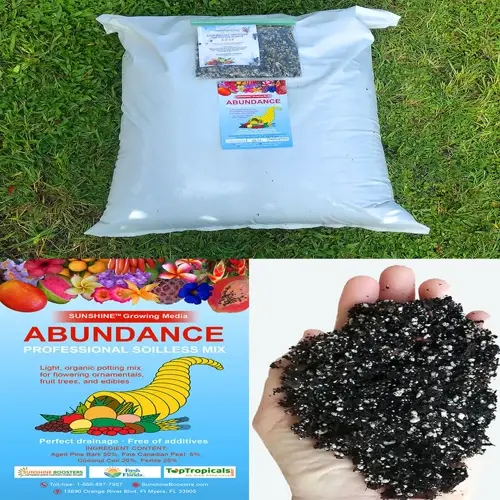
If your pot keeps holding water, fix the drainage so the trouble stops coming back. Use a pot with drainage holes every time. Empty the saucer within thirty minutes so the roots never sit in standing water. Swap heavy, dense soil for a mix with perlite or bark that lets water run through. Get the drainage right and your soil dries on its own between waterings. That is exactly what your roots need to stay healthy and green. Fix the soil and the watering, and yellow leaves overwatering stops being a problem you fight every month.
Read the full article: Yellow Leaves on Plants: Causes and Fixes