
Introduction
Yellow leaves plants push out are not random. They are a message. Your plant is trying to tell you something is off, and the color is the signal. The hard part is reading it. Most people see the yellow, panic, and grab the watering can. Half the time that is the worst move you can make.
Here is the good news. You can learn to read the signal instead of guessing at it. That single yellow leaf carries clues about what your plant needs, and you can decode them in about a minute once you know where to look.
The color change has a real name. It is called chlorosis, which means the leaf has lost its green chlorophyll. That green pigment is what runs photosynthesis. Plant leaves turning yellow simply lack it, and the pattern of the loss tells you why. The Royal Horticultural Society reads it as a clue. So do top university plant experts. They treat chlorosis as a sign to read, not as one single problem to name.
This guide teaches you to diagnose by position and pattern first, the way extension experts actually work. They look at where the yellowing shows up, lower leaves or new growth. They also check whether the veins stay green. That order points you to the right fix far faster than a long list of causes ever will.
So here is the plan. You will get a simple method to diagnose by leaf position and pattern. Then comes the real story on watering and soil pH problems. After that you get a quick-reference chart for fast answers. You also get honest reassurance about which yellowing leaves are just normal aging. Let's start with what the yellow color is really telling you.
Why Plant Leaves Turn Yellow
A yellow leaf is a status report, not a single diagnosis. Your plant is telling you something has gone off track, but it cannot tell you what. The same patch of yellow leaves plants throw at you can come from a dry pot, a hungry root system, or simply old age. You have to read the cause from the context around it.
Most cases trace back to two families of trouble. Watering stress and nutrient shortfalls are the two dominant causes, so they are where you should look first. The medical name for this fading of green is chlorosis. It happens when something stops the leaf from making enough chlorophyll. A nutrient deficiency, too much water, or roots sitting in soggy soil can all trigger it.
I group the causes into clear families so you stop guessing. The list below covers watering, nutrients, soil pH, light and heat, pests and root problems, and plain natural aging. Iron is the single most common nutrient cause of chlorosis, though manganese, zinc, and nitrogen pull the same trick in their own ways. Read each family for the telltale signs, then match what you actually see on your plant.
Watering Stress
- What happens: Overwatering suffocates roots in soggy soil and can lead to root rot, while underwatering starves leaves of moisture and both end in yellowing.
- What you see: Overwatering tends to yellow many leaves at once with limp or mushy stems, while underwatering curls and crisps older leaves first.
- Why it matters: Watering problems are a leading everyday cause, so this is usually the first thing to check before reaching for fertilizer.
Nutrient Deficiency
- What happens: A shortage of nitrogen, iron, magnesium, potassium, or manganese disrupts chlorophyll, and each nutrient fades the leaf in its own pattern.
- What you see: Uniform pale leaves often mean nitrogen, while yellow tissue with green veins points to iron, manganese, or magnesium.
- Why it matters: Iron is the single most common nutrient cause of chlorosis, and reading the pattern prevents feeding the wrong nutrient.
Soil pH Problems
- What happens: When soil pH climbs above 7.0, iron becomes less soluble and the plant cannot absorb it even when the soil holds plenty.
- What you see: New growth yellows between the veins while the soil test shows alkaline conditions rather than a true lack of nutrients.
- Why it matters: This hidden cause is why many gardeners overfertilize when the real fix is correcting the soil pH.
Light And Temperature
- What happens: Too little light limits photosynthesis, too much can scorch and bleach leaves, and cold drafts or frost can yellow tender new growth.
- What you see: Low light yellows lower or inner leaves slowly, while sun scorch leaves pale bleached patches on the most exposed leaves.
- Why it matters: Moving a plant a few feet or adjusting exposure often reverses the problem without any feeding at all.
Pests, Disease, And Root Issues
- What happens: Sap-sucking pests, fungal and viral disease, root-bound containers, and transplant shock all interrupt the flow of water and nutrients to the leaves.
- What you see: Stippling and webbing suggest spider mites, mottled patterns suggest virus, and a pot packed with circling roots signals a root-bound plant.
- Why it matters: These causes mimic deficiencies, so checking the undersides of leaves and the roots prevents a wrong diagnosis.
Natural Aging
- What happens: Plants shed their oldest leaves over time in a normal process called senescence, pulling nutrients back before the leaf drops.
- What you see: One or two of the lowest, oldest leaves slowly turn yellow while the rest of the plant looks healthy and keeps growing.
- Why it matters: This is harmless, so recognizing it saves you from treating a problem that does not exist.
Notice how several of these causes can produce the exact same yellow leaf. That overlap is why guesswork fails so often. Plant leaves turning yellow do not point to one fix on their own, so the next step is to read the pattern and position of the yellowing. Which leaves changed, and did the veins stay green? Those two clues do most of the diagnostic work, and that is exactly what the sections ahead walk you through.
Read The Pattern Of Yellowing
The single most useful skill for diagnosing yellow leaves is reading where the yellowing starts. Look at one plant and ask a simple question first. Are the older leaves down low fading, or is the new growth up top turning pale? That one observation cuts your list of suspects in half before you touch the soil.
The rule comes down to mobile nutrients versus immobile nutrients. Say a plant runs short on a mobile nutrient like nitrogen, phosphorus, potassium, or magnesium. It pulls that nutrient out of old leaves and ships it up to the new buds. So the bottom leaves fade first while the top stays green. Immobile nutrients like iron, zinc, manganese, sulfur, calcium, and boron get stuck in the old tissue and cannot move. The new growth starves first, so the top of the plant pales while the lower leaves still look fine.
- Points to mobile nutrients the plant can relocate: nitrogen, phosphorus, potassium, and magnesium.
- Nitrogen shows as overall pale, light green leaves with yellowing that starts at the tip and moves along the ribs.
- Potassium shows yellowing and scorching concentrated along the leaf edges and margins.
- Magnesium shows interveinal yellowing on older leaves while the veins stay green.
- Points to immobile nutrients stuck in old tissue: iron, zinc, manganese, sulfur, calcium, and boron.
- Iron shows interveinal chlorosis on the newest leaves, with bright yellow between dark green veins.
- Manganese also shows interveinal yellowing but tends to appear a little lower than iron.
- Because these nutrients cannot move, the youngest leaves are the first to run short.
There is a second pattern that sharpens the diagnosis even more. Interveinal chlorosis means the leaf tissue turns yellow while the veins stay green, leaving a clear green network on a yellow leaf. This look points to iron, manganese, or magnesium. The tell is which leaves show it first. Iron chlorosis hits the youngest leaves at the top, since iron cannot move into new growth. Magnesium and manganese start lower down on the older leaves. Magnesium is a mobile nutrient, so the plant drains it out of old tissue first.
So you can read one plant in two passes. First check the position, top or bottom. Then check the pattern, even yellowing or green veins on yellow tissue. Together those two clues narrow a vague yellow plant down to one or two likely causes. That is exactly where the next section picks up.
If the deficiency symptoms appear on older leaves first, then the deficiency symptoms are possibly caused by one of the nutrients that are mobile in plants, such as nitrogen, phosphorus, potassium, magnesium, chlorine, or molybdenum. In contrast, deficiency of nutrients that are immobile (calcium, sulfur, boron, copper, iron, zinc, manganese, nickel), the symptoms first appear on younger or upper leaves.
Watering Problems And Root Rot
A pothos by my east-facing kitchen window dropped several yellow leaves at once. The base felt soft and mushy when I touched it. I lifted the plant out of the pot and found soggy soil packed around dark, soft roots. The plant was not thirsty. So I let it dry out, trimmed the rotten roots, and the new growth came back fine.
That scene catches the most common watering mistake behind yellow leaves plants struggle with at home. More water feels like the obvious answer. But it is often the wrong one. The fast way to tell the two problems apart is the visual pattern, not a watering schedule.
Overwatering turns many leaves yellow at once. That often includes younger leaves near the top, not just the old ones at the bottom. The stems feel limp or mushy, and the soil stays heavy and wet for days. Underwatering works the other way. It curls and crisps the older, lower leaves first. The rest of the plant then starts drooping leaves as it wilts.
There is a hidden link between soggy soil and the food problems people blame on bad fertilizer. Soil experts at Minnesota Extension say that wet, cold soil makes iron problems worse for your plant. Wet roots cannot pull food out of the soil. So a drainage problem shows up as a feeding problem on the leaves.
Overwatering is one of the most common causes of yellow leaves. Soggy soil chokes the roots and cuts off their air. Starved of air, the roots start to die and rot. You can spot root rot by lifting the plant and checking the roots. They turn mushy and brown or black instead of firm and pale. A sour smell from the pot is another clear warning sign.
Before you reach for the watering can, check the soil moisture with your finger. Most yellowing tied to water comes from too much of it, not too little. So the soggy pot needs to dry out rather than get topped up.
- Many leaves yellow at once, often including younger leaves, not just the oldest ones.
- Stems feel limp or mushy and the lowest leaves may turn translucent.
- Soil stays wet and heavy for days and can smell sour from rotting roots.
- Roots look brown, black, and mushy instead of firm and pale.
- Older, lower leaves yellow and curl first while the soil pulls away from the pot.
- Leaf edges turn crispy and brown and the whole plant may wilt or droop.
- Soil feels bone dry several inches down and water runs straight through.
- Recovery is usually quick once you water deeply and evenly.
Skip the calendar and feel the soil first. Push a finger one to two inches down and only water when that depth is dry, since wet roots cause more yellowing than dry ones.
Soil pH And Nutrient Lockout
A Meyer lemon by my east-facing kitchen window pushed out fresh leaves that came in yellow between the green veins. The tree only greened up after a soil test showed high pH and I switched it to rainwater.
For weeks before that I kept adding more fertilizer, sure the tree was hungry. None of it helped, and the new leaves stayed pale while I wasted bag after bag of feed. The real problem was soil pH, not food, which is why yellow leaves plants put out can fool even careful growers.
Here is the part that trips people up. Your soil can be packed with iron and the plant can still starve. High pH locks that iron away where roots cannot reach it. This is nutrient lockout, and it is why feeding does nothing when the numbers are off.
The targets are easy to aim for. Ideal vegetable soil sits at pH 6.5. Plants grow well from 6.0 to 7.0. Climb above 7.0 and you get iron chlorosis, per state extension data. That yellow-between-the-veins look has a name too. It is interveinal chlorosis, and on new growth it points straight at iron.
There is a clear reason for this. Iron turns less soluble as pH goes up. It gets worse in alkaline soil or limey, chalky ground. So run a soil test for pH before you reach for any iron supplement, or you treat the wrong thing.
One spot catches people off guard. Concrete and construction lime can leach into the ground and push pH up near a foundation, per WSU Hortsense. If your yellowest plants hug the house or a new patio, test that soil first. The dirt by the wall can read far higher than the rest of your beds.
Iron chlorosis is a yellowing of plant leaves while the tissue close to the leaf veins remains green. Typically, it is caused by an iron deficiency, usually due to a high soil pH (pH above 7.0).
Quick Yellow Leaf Diagnosis
You are standing in front of a sick plant and you want an answer right now, not a biology lesson. Use the chart below as a quick read. Find the row that looks most like your plant, then move across to the likely cause and the first thing you should do about it.
Two clues do most of the work with the yellow leaves plants push out. First, note where the yellow shows up. Old bottom leaves point to nitrogen deficiency. Fresh new growth points to iron chlorosis. Next, check the veins. When green veins stay sharp inside yellow tissue, that is interveinal chlorosis. That one pattern rules out plain old age and overwatering.
The chart points you to a likely cause, but it is not the final word. Before you treat any nutrient or soil pH problem, run a cheap soil test so you fix the real shortage instead of guessing. A test costs a few dollars and saves you from dumping the wrong feed on a plant that never needed it.
Light, Pests, And Normal Aging
You probably blame water and nutrients first, but they are not the whole story. Plenty of yellow leaves on your plants come from insufficient light, hungry pests, a cramped pot, or cold air near a winter window. Each cause shows its own clear pattern once you know what to look for.
Light is the first thing you should rule out. A plant pushed too far from a window drops its inner and lower leaves over a few weeks. Direct midday sun does the opposite. It causes sun scorch, which bleaches your most exposed leaves into pale, dry patches instead of even yellowing.
Pests leave clues, so flip the leaves over and check the undersides. Fine specks and thin webbing mean spider mites. Sticky honeydew points to aphids. Cottony white clusters along the stems point to mealybugs. Viruses cause yellowing too, and they show up as mottles, blotches, and streaks that no feeding will fix.
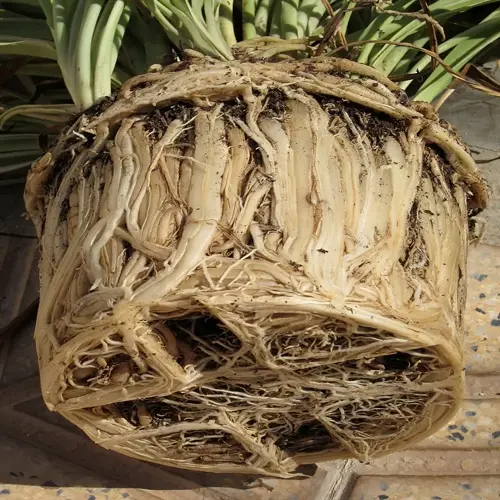
Roots and air round out your list. A root-bound plant whose roots circle the pot and creep out the drainage holes can no longer drink enough, so its leaves fade. If you just repotted, transplant shock can yellow a few leaves while the roots settle in. Cold drafts chill the tender spring growth on your plants, and dry, heated indoor air in winter browns leaf edges on sensitive ones. Use the guide below to match what you see to the cause.
Too Little Or Too Much Light
- Low light: Inner and lower leaves yellow and drop slowly because there is not enough light to support them, common for plants moved away from a window.
- Too much light: Direct sun can scorch and bleach the most exposed leaves, leaving pale, papery patches rather than even yellowing.
- The fix: Match the plant to its preferred light and move it gradually so it can adjust without shock.
Pests And Disease
- Sap-sucking pests: Spider mites leave fine stippling and webbing, aphids leave sticky honeydew, and mealybugs leave cottony white clusters on stems and leaf joints.
- Disease: Fungal and bacterial leaf spots and very common viral infections cause yellow mottling, mosaics, and streaks that no fertilizer will fix.
- The fix: Inspect leaf undersides, isolate the plant, and treat the specific pest or remove badly diseased foliage.
Container And Root Stress
- Root-bound plants: Roots that circle the pot and grow out the drainage holes can no longer take up enough water and nutrients, so leaves yellow.
- Transplant shock: A recently moved or repotted plant may yellow a few leaves while its roots settle into new soil.
- The fix: Repot into the next size up with fresh mix and water gently while the roots recover.
Cold, Heat, And Dry Air
- Cold stress: Cold drafts and spring chills can yellow tender young leaves, while frost damages foliage outright.
- Heat and dry air: Heat stress and low indoor humidity in heated winter air can yellow and brown leaf edges on sensitive plants.
- The fix: Keep plants away from drafts and vents and raise humidity for tropical plants in dry rooms.
If only one or two of the oldest, lowest leaves slowly turn yellow while the rest of the plant thrives, that is natural aging called senescence. Simply remove the spent leaf and carry on.
Not every yellow leaf is a problem you need to fix. Natural aging, known as leaf senescence, is the plant pulling nutrients out of its oldest leaves to feed new growth. One lower leaf going yellow at a time, while the top of the plant looks strong, is healthy and normal. Pinch it off and let the plant get on with growing.
5 Common Myths
Every yellow leaf is a warning sign that something is wrong and your plant is in trouble or slowly dying.
Older lower leaves yellowing one at a time is usually natural aging, called senescence, and is completely harmless.
Yellow leaves always mean the plant is thirsty, so the right response is to water it more often right away.
Overwatering causes yellowing far more often than underwatering, because soggy soil suffocates roots and leads to root rot.
If leaves look pale or yellow, the soil simply lacks iron, so adding an iron supplement will fix it.
Soil often holds plenty of iron, but high pH above 7.0 locks it out, so correcting pH matters more than adding iron.
Fertilizer is plant food, so feeding more of it will always green up a struggling plant with yellow leaves.
Too much fertilizer burns roots and yellows leaf edges, so more feeding can make a salt-stressed plant noticeably worse.
Once a leaf turns yellow it can always be nursed back to a healthy green with the right care.
Mildly yellowed leaves may regreen once the cause is fixed, but fully yellowed tissue is spent and will not turn green again.
Conclusion
The fastest way to fix yellow leaves plants struggle with is to slow down and read the plant first. Look at which leaves turned yellow and whether the veins stayed green. That single habit of checking position and pattern before you reach for any fix will steer you toward the real cause almost every time.
Two causes trip up more people than any other, so keep them top of mind. High soil pH above 7.0 can lock out iron even when your soil is rich, which leaves the plant hungry next to plenty it cannot use. And overwatering stays one of the most common everyday triggers. A quick finger test an inch into the soil tells you whether the roots are drowning or dry.
Not every yellow leaf means trouble, so take a breath before you panic. When the oldest lower leaves fade slowly, one at a time, that is usually normal aging and nothing more. The plant is shedding old growth to feed new growth, the same way it always has.
When the pattern points to a nutrient deficiency or a pH problem, a simple soil or tissue test is the most reliable next step you can take. It turns a guess into a clear answer, so you treat the actual cause instead of throwing fixes at the wall.
Diagnose first, then treat. Read the leaves, confirm the cause, and your plant will reward you with healthy green growth. Still have questions about a specific symptom or chlorosis fix? The FAQs below cover the ones readers ask most.
Glossary
- Chlorosis
- The yellowing of plant leaves caused by a loss of green chlorophyll.
- Immobile nutrients
- Nutrients a plant cannot relocate once placed, so shortages show on younger upper leaves first.
- Interveinal chlorosis
- Yellowing of the leaf tissue between the veins while the veins themselves stay green.
- Mobile nutrients
- Nutrients a plant can move from old leaves to new growth, so shortages show on older leaves first.
- Nutrient lockout
- When nutrients are present in the soil but unavailable to the plant, often because of high soil pH.
- Root rot
- Decay of roots caused by waterlogged, oxygen-starved soil that turns roots mushy and dark.
- Senescence
- The natural aging process in which a plant sheds its oldest leaves after pulling nutrients back from them.
- Soil pH
- A measure of how acidic or alkaline soil is, which controls how easily plants can absorb nutrients.
External Sources
Frequently Asked Questions
What is the most common reason for yellowing leaves?
Watering stress, especially overwatering, is the leading everyday cause, while iron deficiency is the most common nutrient cause.
Do yellow leaves mean overwatering?
Not always, but widespread yellowing with soggy soil, mushy stems, and limp leaves usually points to overwatering.
Will yellowing leaves turn green again?
Mildly yellowed leaves can regreen once the cause is fixed, but fully yellow or dead leaves will not turn green again.
What is lacking when leaves turn yellow?
It depends on the pattern. Common shortfalls are nitrogen, iron, magnesium, potassium, and manganese.
What are signs of root rot?
Root rot shows as mushy brown or black roots, a sour smell, soggy soil, and widespread leaf yellowing.
Does Epsom salt correct yellow leaves?
Only when the cause is a true magnesium deficiency, since Epsom salt supplies magnesium and sulfur and nothing else.
Will too much fertilizer turn leaves yellow?
Yes, over-fertilizing causes salt buildup that yellows and browns leaf edges and tips, often called fertilizer burn.
How often should indoor plants be watered?
Water by checking the soil rather than the calendar; water when the top inch or two of soil feels dry.
How do I make my plants green again?
Diagnose the cause first, then correct watering, soil pH, or the specific nutrient before adding new growth time.
Do yellow leaves always mean the plant is dying?
No. Many yellow leaves are normal aging or an easily corrected care problem rather than a sign of death.