
To make plants green again, you have to find the cause of the yellowing before you change anything. The fastest fix is to stop guessing and read the pattern of the yellow leaves first. The wrong move wastes weeks and can push a stressed plant further downhill. So look at where the yellow shows up, then match your fix to that one cause.
Yellow leaves are a signal, not the problem itself. To fix yellow leaves for good, you work through three checks in order, and each one rules out a different cause. Skipping ahead to fertilizer is the most common mistake, and it often makes a sick plant worse instead of better.
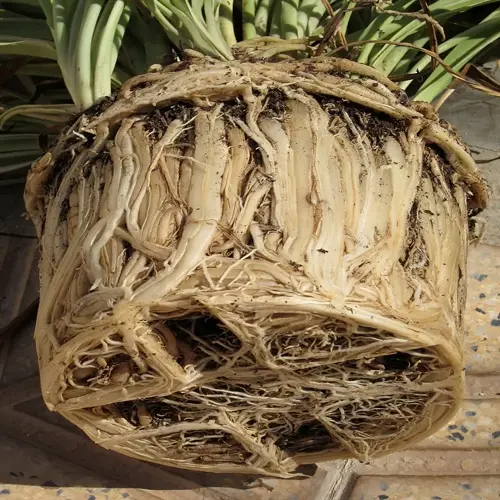
Start with water and roots, since this causes the most yellowing. Push a finger two inches into the soil. If it feels wet and the lower leaves are turning yellow and soft, you are overwatering. Pull the plant from its pot and check the roots. Healthy roots look white or tan, while rotting ones look brown and mushy and smell sour.
If moisture looks fine, test your soil pH next. Most plants take up nutrients best between a pH of 6.0 and 7.0. When the soil runs too high, iron gets locked away even though plenty sits in the ground. This shows up as yellow leaves with green veins on the newest growth at the top.
Only after water and pH check out should you read the leaf position to spot a true nutrient gap. The spot on the plant tells you which nutrient is short and points you to the right fix. Old leaves yellowing first means one thing, and new leaves yellowing first means another.
Overwatering or root rot
- Where: Lower and older leaves yellow first and feel soft or limp.
- The fix: Let the soil dry out and trim away any brown, mushy roots with clean scissors.
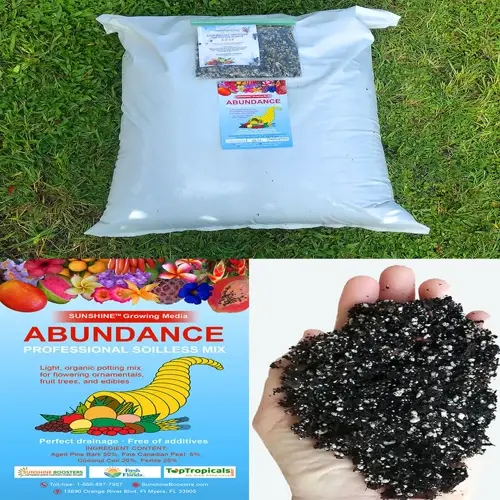
- Then: Repot into fresh, well-draining mix and water only when the top inch feels dry.
High pH iron lockout
- Where: New top leaves turn yellow while the veins stay green.
- The fix: Lower the soil pH first with elemental sulfur or an acidic feed before you add any iron.
- Then: Apply a chelated iron product once the pH sits closer to 6.5 so the roots can use it.
Confirmed nutrient gap
- Where: Old lower leaves yellow evenly, which often points to a nitrogen shortage.
- The fix: Feed the matched nutrient at half strength so you do not burn the roots.
- Then: Wait two to three weeks and watch the fresh growth instead of the old leaves.
Match the fix to the cause and the plant can recover. For overwatering, let the soil dry and trim any rot before you water again. For a high-pH lockout, lower the pH first, then add iron once the roots can actually take it up. For a real deficiency, feed the one nutrient that matches the leaf pattern at half strength.
Now comes the hard part, which is patience. A leaf that has already gone yellow rarely turns green again, since the plant has pulled what it needs from that tissue. You restore green leaves through fresh growth, not by repairing the damaged ones. Leave the yellow leaves alone unless they go fully brown, because they can still feed the plant a little while they hang on.
Judge your success by the new growth at the tips. Within two to four weeks of fixing the true cause, the fresh leaves should come in a clean, deep green. That new green is proof you solved the real problem instead of masking it. If the new growth still comes in pale, run the three checks again, since you likely treated the wrong cause.
Read the full article: Yellow Leaves on Plants: Causes and Fixes