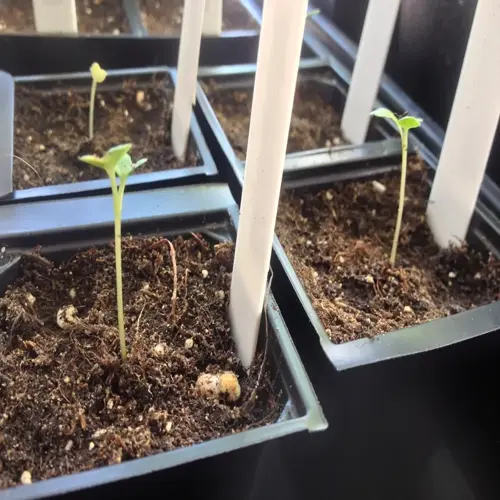

A full tray of strong, even seedlings sat on my west kitchen windowsill this spring, and every cell came from a batch I blended myself. The trick to a good DIY soilless mix is to pair one water-holding base with two or three amendments that build air. Start with 40% peat, 20% pine bark, 20% vermiculite, and 20% perlite or sand, then adjust from there.
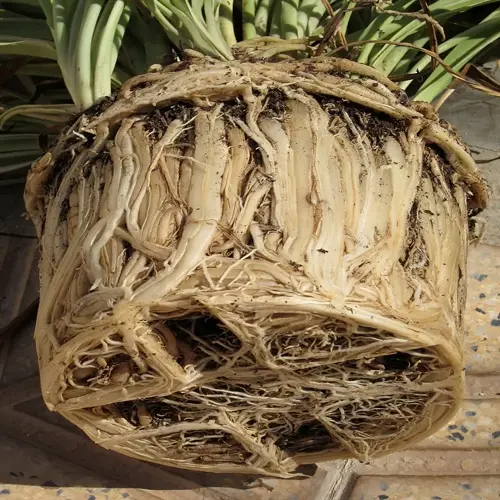
My first homemade batch missed the mark. An earlier 72-cell tray went soggy and slow, and the cells stayed wet for days. Before that I used old garden soil in pots and rotted a peace lily and a pothos in one bad month. The roots turned brown and mushy, and both plants were gone within weeks. The homemade tray on the sill grew thick and even instead.
Here is the logic behind that soilless mix recipe. The peat or coir holds water close to the roots so they never dry out fast. The bark, perlite, and sand open up the blend and let air reach the roots between waterings. Vermiculite does double duty here. It holds some moisture and feeds the plant small amounts of potassium, magnesium, and calcium.
Two parts of the recipe trip up most people. Peat sits at a low pH near 3.0 to 4.5, so you add a bit of ground limestone to bring it closer to neutral. Roots take up nutrients far better in that range. The other catch is food. These parts carry almost no nutrients on their own, so you mix in a slow-release fertilizer or plan to feed once seedlings get going.
Use about 40% peat or coco coir as the moisture-holding base, the largest share of the blend.
Mix in roughly 20% pine bark and 20% perlite or sand to open the blend for drainage and oxygen.
Blend in about 20% vermiculite to hold moisture and supply potassium, magnesium, and calcium.
Add limestone to correct peat's acidity and a slow-release fertilizer, since the components carry few nutrients.
Wet the mix until it feels damp but springy, then fill your pots or seed-starting trays.
You can swap coco coir in for the peat with no other changes. Coir comes from a renewable crop, and it rewets fast, so a dried-out batch soaks up water again in seconds. Dry peat fights you and floats on top instead of soaking in. Coir also sits closer to neutral, so it dodges some of the pH worry that peat brings to the table. I now keep a brick of coir on the shelf and crumble off what I need for each batch.
Tune the blend to the plants you grow. Push the perlite up to 30% for cactus, herbs, or anything that hates wet feet. That extra air keeps the roots from sitting in water after you water. Lean on more vermiculite for thirsty seedlings and leafy greens that want steady moisture. A few small test batches teach you more than any chart, and the cost per pot stays low. Mix the parts in a wide tub or a wheelbarrow so every scoop comes out the same.
Two habits keep your homemade potting mix working. Moisten the whole batch before you fill a single pot, since dry peat or coir will shed water and leave dry pockets around the roots. Store the leftover mix dry in a sealed bin or bag. Kept dry, your DIY soilless mix stays clean and ready for months, and you will reach for it every time you pot up something new.
Read the full article: Soilless Growing Medium: A Complete Guide