
Introduction
You walk over to your seed tray and find a row of pale, tall stems leaning sideways, some of them tipped right over on the shelf. Those are leggy seedlings, and almost every gardener grows a batch of them in their first season indoors. The good news is that you can usually fix them, and the reason they stretch is simpler than it looks.
The main cause is light, or rather the lack of it. University of Illinois and Clemson Extension both point to too little light as the top reason your seedlings turn thin and weak. They mean both too few hours and too little brightness. Your seedlings need 16 to 18 hours of bright light a day to grow short and strong, and a dim windowsill rarely gives them that. When the light runs low, your plant stretches its stem to reach for more. That is how spindly seedlings form.
That stretching has a real name and a real mechanism behind it. Etiolation is the term for the pale, drawn-out growth you see, and it is driven by the way plants sense shade. Many seed starting guides give you the fix without the reason. Here you get both. Each fix comes with the science and sourced light numbers. You also learn when a seedling can recover, and how to tell legginess apart from damping off.
Keep one picture in mind as you read. Short, stocky seedlings with thick stems transplant well and shrug off a little rough handling. Tall, weak ones flop over and snap at the soil line. Your goal is not just to keep them alive, but to grow them sturdy, so let's start with what a leggy seedling actually looks like.
What Leggy Seedlings Look Like
You can spot leggy seedlings at a glance once you know the look. The stem shoots up tall, thin, and pale, with wide bare gaps where you expect to see leaves. People also call these spindly seedlings, and the name fits because the stem grows lanky and floppy instead of stocky.
Check the spacing along the stem first. Healthy seedlings keep their leaves packed close together on a short, sturdy trunk. On your leggy plant, the spaces between the leaf nodes stretch out, and those long internodes are what make the stem look so tall and bare. University of Minnesota Extension ties this stretch straight back to the low light your plants are sitting in.
Picture the two side by side and you will never miss it again. A healthy seedling looks like a compact little bush sitting on a stub of a trunk. Your leggy one looks like a single bean sprout straining up toward the window, with its few leaves spaced far apart and a stem too weak to hold them up.
Try the topple test too. Clemson notes that low-light seedlings often flop over once they reach just a few inches tall. If you nudge a stem and it leans, bends, or falls without support, you have a leggy seedling on your hands. The good news is that catching it early gives you the best shot at fixing it before transplant.
- Tall, thin stem that leans, flops, or topples over once a few inches high.
- Wide, stretched gaps between leaves where the stem looks bare and pale.
- Pale or light green color from straining toward a single light source.
- Stem so weak it cannot hold the leaves upright without support.
- Short, sturdy stem that stands upright on its own without leaning.
- Leaves spaced close together with little bare stem showing between them.
- Deeper, even green color across the whole seedling.
- Stocky base that feels firm and supports the leaves easily.
Look at the spacing between leaves first. Long bare gaps along a thin stem are the clearest sign a seedling has gone leggy and needs more light.
Why Seedlings Stretch And Get Leggy
You have probably heard that seedlings reach for light. The deeper answer to why seedlings get leggy is that your plant is doing exactly what nature built it to do. It senses a problem and stretches to fix it.
That stretch has a name. Gardeners call it etiolation, and it kicks in when your seedling does not get enough strong light. The stem grows long and thin, the gaps between leaves widen, and the plant looks spindly instead of stocky.
Here is the part you rarely hear. Seedlings read the color of the light around them. Leaves soak up red light and bounce back far-red, so a plant in the shade of its neighbors picks up a low red to far-red ratio. Light sensors in the plant called phytochromes catch that signal and flip a switch.
That switch turns on shade avoidance, a survival trick studied by Martinez-Garcia and his team in 2014. Your plant decides it is being crowded. So it pours energy into the stem to climb above the rest. Think of one person stuck in a packed crowd, rising onto tiptoe to see over the heads and reach open air.
The leading cause is simple. Insufficient light sets off this whole chain. Three other things make it worse: too much warmth, crowding, and a window that feeds light from just one side. Penn State notes that warm air speeds growth and adds height, while cooler air slows your seedlings and keeps them short.
One small trap catches a lot of beginners. Old incandescent bulbs pump out heavy far-red light, the exact signal that screams shade to a seedling. Light your trays with one of those and you can make the stretching worse, says the University of Minnesota.
Not Enough Light
- What happens: Too little light, in both hours and intensity, is the single most common cause of leggy, etiolated seedlings.
- Why it matters: Without bright light for 16 to 18 hours a day, stems elongate and internodes stretch as plants strain to reach more light.
- The fix direction: Add a close grow light or move to the brightest spot so seedlings stop reaching and start filling out.
Reaching Toward One Window
- What happens: Seedlings on a windowsill lean and stretch toward the single direction the light comes from.
- Why it matters: Windowsills often supply too little light, especially in northern regions, so plants grow tall and one-sided instead of stocky.
- The fix direction: Rotate trays regularly or switch to overhead light so growth stays even and upright.
Too Much Warmth
- What happens: Warm growing temperatures, often from a heat mat left on after sprouting, push fast, soft, upward growth.
- Why it matters: Penn State notes cooler temperatures slow growth and limit height, while warmth speeds stretch.
- The fix direction: Move seedlings off the heat mat once they sprout and grow them cooler than germination temperatures.
Crowding And Poor Spacing
- What happens: Seedlings packed tightly in a cell or tray compete with each other for the same light.
- Why it matters: Crowded plants shade their neighbors, which lowers the light each one receives and encourages stretching.
- The fix direction: Thin or space seedlings so each one gets its own light and airflow.
One common problem people encounter is long and leggy seedlings (etiolated). While several factors can cause this, insufficient light is the most common cause.
Light, Heat And Airflow Setup
Strong seedlings come down to three things working together: light, heat, and airflow. Get the grow lights right and you fix the main cause of stretching. Pair them with cooler air and a small fan, and your stems grow thick instead of floppy.
Light does the heavy lifting. Your seedlings need 16 to 18 hours of bright light each day to stay stocky, far more than a windowsill can give in early spring. The other piece of seedling light requirements is closeness. Intensity drops off fast the farther your bulb sits from the leaves.
Grow light distance depends on the bulb you use. Keep fluorescent tubes 2 to 4 inches above the tops of your seedlings, and set LED panels a bit higher at 4 to 6 inches. Raise the fixture a little each week so the gap stays the same as the plants reach up.
Skip incandescent bulbs. They throw off a lot of far-red light, and that signal tells a seedling to stretch toward a brighter spot. LED or fluorescent lights give you the kind of glow that keeps stems short and solid, so reach for one of those before anything else.
Heat matters too, and most folks run their seedlings too warm. Seeds want warmth to sprout, but once they are up you want cooler growing temperatures than you used for germination. Warm air speeds growth and pushes your plants tall and thin. Cooler air slows them down and keeps them squat.
Then comes the fan. Once a seedling shows its two true leaves, point a small fan at the tray to create a gentle sway for part of the day. That bit of airflow for seedlings thickens the stems, much like a young tree grows sturdy from swaying in the wind.
A bluish glow hummed over my tomato seedlings one March, a clamp shop light hung a hand's width above the tray on a cool basement shelf. The stems leaned and flopped no matter how I turned them. I dropped the light to 3 inches off the leaves and clicked on a desk fan aimed low across the tray.
Two weeks later those same stems stood firm enough to hold a pencil weight without bending. The tray under the close light and moving air beat every batch I had ever parked on a bright south window. Close light plus a fan is the combo that turns spindly into stocky.
Once seedlings show two true leaves, set a fan to create a gentle sway for part of the day. That light movement thickens stems and helps prevent flopping.
How To Fix Leggy Seedlings
A tray of stretched tomato seedlings that looked hopeless turned into the sturdiest plants I grew that spring. I potted each one up, buried the floppy stems right up to their lowest leaves, and moved the whole tray under a basement shop light. Within two weeks the new growth came in firm and dark green, and the pale stems thickened where they used to bend in any breeze.
Those same seedlings had spent their first floppy weeks leaning hard toward a north windowsill. They were pale, top-heavy, and tipping over before I changed a thing. So if your tray looks the same way right now, you can save leggy seedlings, but the fixes work best when you catch the problem early. Recovery comes on slow over a couple of weeks, not overnight.
Here is how to fix leggy seedlings tonight, ordered from your fastest first move to the day you plant out. Start at the top and work your way down.
Move seedlings under a close grow light for 16 to 18 hours a day, or to the brightest spot you have, so they stop reaching.
Take seedlings off the heat mat and grow them cooler than germination temperatures to slow soft, stretchy growth.
Once seedlings have two true leaves, run a fan for part of the day to create a gentle sway that thickens stems.
At transplant, bury tolerant plants like tomatoes up to their lowest leaves; when unsure, bury no more than a quarter of the stem.
Stake floppy stems if needed and give recovery a couple of weeks, since stronger growth returns gradually rather than overnight.
Tomatoes root along a buried stem, but many plants rot if planted deep. When you are unsure, bury no more than a quarter of the stem rather than guessing.
The single biggest fix is the chance to transplant seedlings deeper than they grew in the cell. When you bury leggy seedlings up to their lowest leaves, a tomato grows new roots all along that buried stem and pulls up water fast. That extra root mass is what gives you stronger stems and a plant that no longer flops.
Give the rescue a couple of weeks before you judge it. Close light and a daily fan will fix new growth, but they cannot un-stretch the old spaces between leaves. The fresh, tight growth up top is your sign the plant turned the corner.
Plants That Go Leggy Most Easily
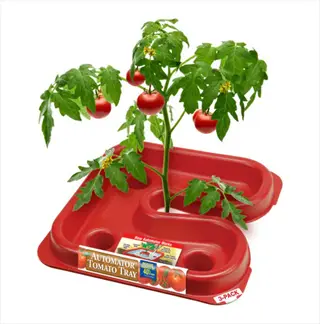
Some seedlings stretch far more than others, and you can guess which ones before you plant them. Tomatoes and peppers top the list of plants prone to legginess. They spend the longest time growing indoors before they reach your garden. The more weeks your seedling sits under weak light, the more it reaches and thins out.
Leggy tomato seedlings are your easy case, since tomatoes root right along a buried stem. You fix them by burying them deep at transplant, up to their lowest leaves. Your peppers and most other plants take only modest deeper planting. You rescue those with better light, not a deep hole, so give them more light from the start.
Sort your own seedlings into three groups so you know which plants to bury deep. Put your tomatoes in the bury-deep group. Your brassicas and peppers sit in the bury-a-little group. Single-stem plants like sunflowers, corn, and lupins land in the do-not-bury group. Never plant those below their normal seedling planting depth.
Tomatoes
- Why prone: Tomatoes spend long weeks growing indoors before transplant, so they stretch easily under weak light.
- Burial tolerance: They root along a buried stem, so they can be planted deep, up to their lowest leaves.
- Best fix: Pot up and bury leggy tomatoes deeper, then keep them under close, bright light.
- Watch for: Soft, pale, floppy stems that lean toward a window are the early warning sign.
- Light need: Give 16 to 18 hours of bright light a day to keep them stocky.
- Beginner note: Leggy tomatoes are the most rescuable of all common seedlings, so do not give up on them.
Peppers
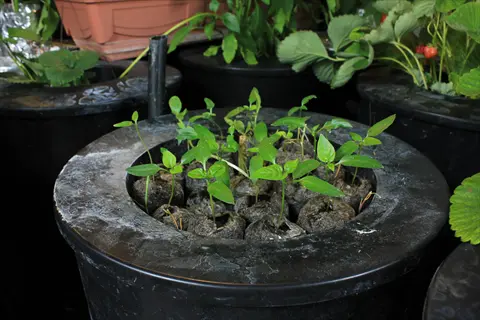
- Why prone: Like tomatoes, peppers grow indoors for many weeks and stretch without strong light.
- Burial tolerance: Peppers tolerate only modest deeper planting, not the deep burial tomatoes accept.
- Best fix: Improve light and airflow early rather than relying on deep burial to rescue them.
- Watch for: Thin stems and a long bare gap below the first leaves.
- Light need: Keep them at 16 to 18 hours of bright light close above the canopy.
- Beginner note: Start peppers under good light from the first day, since they recover less easily than tomatoes.
Brassicas Like Broccoli And Cabbage
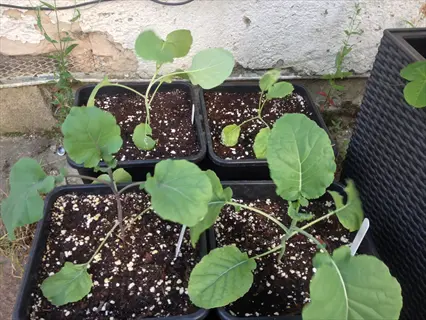
- Why prone: Brassicas can stretch fast in warm, low-light conditions soon after sprouting.
- Burial tolerance: They tolerate slightly deeper planting but do best with prevention rather than burial.
- Best fix: Grow them cooler and brighter, since they prefer cool growing temperatures.
- Watch for: Quick early stretch within days of germination if light is weak.
- Light need: Provide 16 to 18 hours of bright light and cooler temperatures.
- Beginner note: Move brassica seedlings off the heat mat promptly to slow stretchy growth.
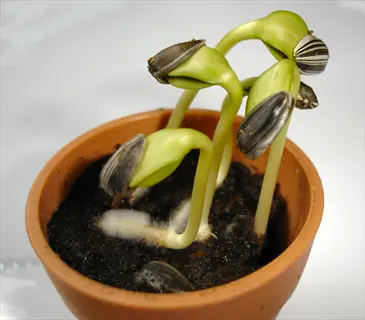
Single-Stem Plants Like Sunflowers
- Why prone: Fast vertical growers stretch quickly toward light when it is too weak.
- Burial tolerance: Do not bury single-stem plants like sunflowers, corn, or lupins deeply, as they do not root along the stem.
- Best fix: Prevent legginess with strong overhead light rather than trying to bury or pinch them.
- Watch for: A long, thin lower stem that cannot be safely fixed by deep planting.
- Light need: Keep light close and bright for 16 to 18 hours a day from the start.
- Beginner note: Never pinch single-stem plants, since cutting the only growing tip can kill them.
When you bury a leggy tomato deeper, sink it so only the top quarter of the stem stays above the soil. Hold back the same way with your bury-a-little crops. Bury a pepper or a brassica to its lowest leaves and you can rot the stem, since it does not root the way a tomato does. Match the depth to the plant and you save far more seedlings.
5 Common Myths
Leggy seedlings are ruined and you should always throw them out and start your seeds over from scratch.
Most leggy seedlings recover if you act early. Improve the light, lower the heat, add airflow, and bury stems deeper at transplant.
A sunny windowsill gives seedlings all the light they need, so grow lights are an unnecessary extra expense.
Windowsills often fall short, especially in northern regions. Seedlings reach toward one direction and stretch without overhead light for 16 to 18 hours.
Seedlings stretch simply because they are reaching up toward the light, and nothing deeper is going on.
Low light triggers shade avoidance: phytochromes sense a low red to far-red ratio and drive stem elongation, so internodes grow long and weak.
Warmer is always better for seedlings, so keeping the heat mat on after sprouting helps them grow strong.
Heat that helps germination drives leggy growth afterward. Cooler growing temperatures slow stretch and produce shorter, sturdier stems.
You can rescue any leggy seedling by burying its long stem deep in the soil at transplant time.
Deep burial helps plants like tomatoes that root along the stem, but many plants rot if buried. Bury no more than a quarter of the stem when unsure.
Conclusion
You now have a short, clear plan to follow. Give your seedlings 16 to 18 hours of bright light each day, and keep that light close. Set fluorescent tubes 2 to 4 inches above the tops and LED panels 4 to 6 inches away. Then raise the lights a little each week as your plants grow taller.
Three more moves round out the plan. Keep your growing area on the cool side, since warmth speeds growth and stretches stems. Space your pots so no plant shades its neighbor. And once you see true leaves, run a small fan nearby so the gentle sway builds stocky seedlings with thick, sturdy stems.
Here is the part that should put you at ease. I moved a tray of stretched tomato starts under a closer light one March, and within a week the new growth came in short and thick. Most leggy seedlings bounce back the same way when you catch them early and fix the light. The real cause is low light, which trips a natural stretch reflex called shade avoidance. That is not a mistake you cannot undo. You control every part of it.
Tomatoes and peppers stretch the most because they sit indoors the longest before they head outside. Give those two strong light from the very first day and you stop most legginess before it starts. Treat each round of seed starting as a fresh shot to grow stronger plants. You know how to fix leggy seedlings now, and better yet, you know how to prevent leggy seedlings for good.
Glossary
- damping off
- A fungal disease that rots and collapses seedlings at the soil line, separate from low-light legginess and not reversible once it sets in.
- etiolation
- The botanical name for the stretched, pale, leggy growth seedlings develop when they do not get enough light.
- hypocotyl
- The lower part of a seedling's stem below the first leaves, which elongates when a seedling stretches toward light.
- internodes
- The lengths of bare stem between leaf nodes, which grow long and weak when a seedling stretches in low light.
- leaf nodes
- The points on a stem where leaves grow out, used to judge how stretched the spacing between leaves has become.
- phytochrome
- A light-sensing pigment in plants that detects the balance of red and far-red light and switches the stretching response on or off.
- red to far-red ratio
- The balance between red and far-red light that tells a plant whether it is shaded; a low ratio signals shade and triggers stretching.
- shade avoidance syndrome
- A plant's built-in stretching response, triggered in low light, that drives stems to grow taller to reach above competitors.
External Sources
Frequently Asked Questions
Can you fix leggy seedlings?
Yes, many leggy seedlings can be fixed by adding bright light, lowering the heat, adding airflow, and burying stems deeper when you transplant.
What causes seedlings to go leggy?
The main cause is too little light, in both duration and intensity. Excess warmth, crowding, and reaching toward one window add to it.
- Insufficient light duration and intensity
- Growing temperatures that are too warm
- Crowded cells with poor spacing
- Reaching toward a single window
Can leggy seedlings survive and still produce?
Many leggy seedlings survive and still produce well if you correct the light early and support or bury the weak stems.
Can I replant leggy seedlings deeper?
Many can be replanted deeper, up to their lowest leaves, especially tomatoes. Some plants should not be buried deeply.
When is a leggy seedling too far gone?
A seedling is usually too far gone when the stem collapses, snaps, or rots at the soil line, which points to disease rather than legginess.
How many hours of light do seedlings need?
Most seedlings need 16 to 18 hours of bright light each day to grow short and stocky rather than tall and weak.
How far should grow lights be from seedlings?
Keep fluorescent tubes 2 to 4 inches above seedlings and LED panels 4 to 6 inches above, then raise them as plants grow.
Should I restart or throw away leggy seedlings?
Usually you should try to fix them first rather than restart. Resow only when stems collapse, snap, or rot at the soil line.
Are leggy seedlings the same as damping off?
No. Legginess is stretched, weak stems caused by low light. Damping off is a fungal disease that collapses seedlings at the soil line.
How do you prevent leggy seedlings indoors?
Prevent legginess with 16 to 18 hours of close, bright light, cooler growing temperatures, good spacing, and gentle airflow.