
Most hardy kiwi vines take 3 to 5 years to produce fruit, so the kiwi vine fruiting time is a real wait you should plan for. A young plant spends those early seasons growing before it can flower at all. Buy an older, settled plant and you can shave a year or two off that timeline. The wait is normal, and it does end.
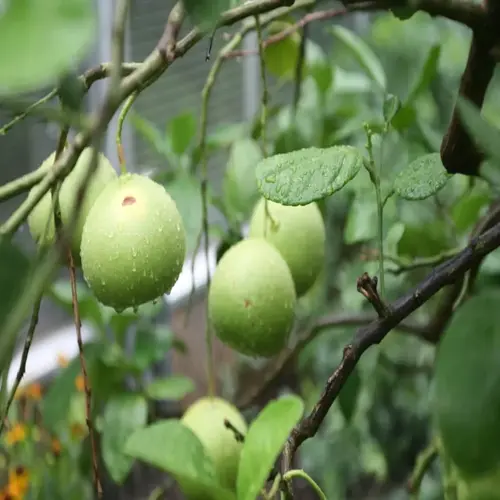
In my fourth summer I pushed back the wet leaves in the damp back corner. The lawn meets the woods edge there. On the Anna vine I found a loose cluster of small green berries. Two seasons before, that same vine had given me nothing but leaves and long whippy shoots. I stood and counted them out. Maybe fifteen berries, soft and fuzzless and no bigger than a grape.
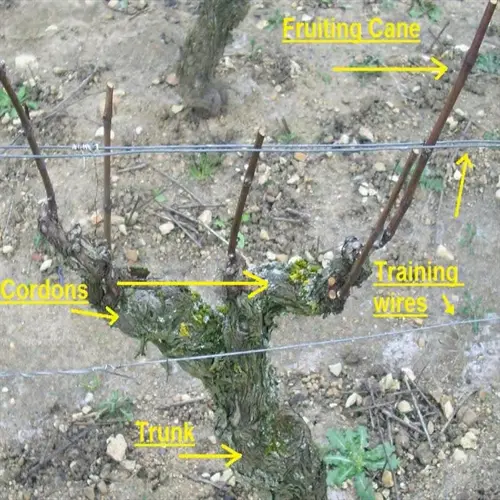
The long wait comes down to how the vine builds itself. A new kiwi plant grows deep roots first. Then it puts up a thick main trunk. Only after that does it grow the side arms that hold next year's wood. Flowers form on current-season shoots that sprout from one-year-old canes. The vine cannot make those canes until it has the trunk and arms to carry them. That whole frame takes years to fill in.
This is why the number of years to fruit kiwi changes so much from one type to the next. Most hardy kiwi land in that 3 to 5 year range. Some named varieties run slower. The fuzzy grocery-store kiwi is slower still. Both often need 5 to 9 years before a real crop shows up. Peak production tends to arrive later, often around year 8, once the vine has a full set of mature arms.
You can stack the odds in your favor before you ever plant. Pick up a 2 or 3 year old potted vine instead of a tiny bare cutting. It already carries part of that root and trunk work, so it starts ahead. Choose a self-fertile variety, or set a male plant next to your females. A vine with no pollen partner can grow for years and still skip fruit. Both moves cut down the time you spend waiting.
The spot you plant in matters too. Kiwi vines want full sun and soil that drains well. A vine in deep shade or soggy ground puts its energy into staying alive, not into fruit. A heavy spring frost can also burn off the young shoots that would have flowered. Give the plant a warm, sunny spot and you let it spend each season building toward a crop instead of just recovering. A sturdy trellis helps as well, since a vine that can spread out and climb grows its fruiting arms faster than one left to sprawl on the ground.
After that, your pruning decides whether the vine keeps fruiting. Each winter, cut back the old wood. Leave fresh one-year-old canes spaced out along the arms. Those are the only canes that will flower. Let the vine turn into a tangled mass and you choke off the light and air the fruiting shoots need. A clean, open frame fruits far better than a wild one.
So when do kiwi vines fruit on a healthy plant? Plan on year 3 to 5 for hardy types. An older start can bring that closer. After the first crop, the vine gives you more each year. Those first fifteen berries on my Anna vine turned into bowls of fruit by the next few seasons. Stay on top of the pruning and a single mature vine can feed you for decades.
Read the full article: How to Grow a Kiwi Vine: Full Guide