
There is no single number that fits every plant. The right indoor plant watering frequency is the one your soil tells you, not the one on a calendar. Water only when the top of the soil has dried out. A fern in a small pot near a bright window drinks far faster than a snake plant in a big pot in a dim corner. Light, pot size, season, and plant type all change how fast the soil dries. So the soil itself decides the timing.
This is why a fixed schedule trips up so many people who are new to watering houseplants. You set a reminder for every Sunday, you pour the same amount each week, and half your plants end up too wet while the other half go thirsty. The pot does not know it is Sunday. Check the dirt instead, and you skip the guesswork.
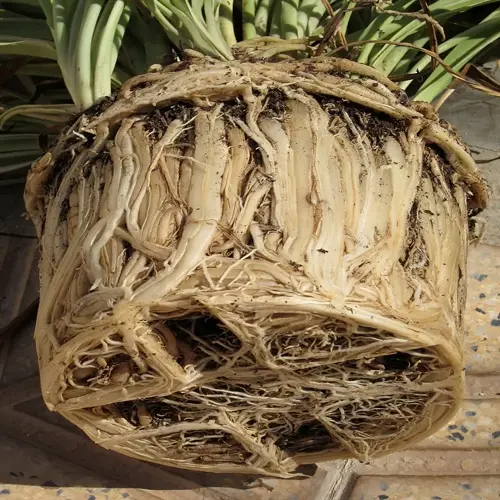
The reason dry-down matters comes down to what roots actually need. Roots take in water and air at the same time. When soil stays soaked all week, water fills the tiny pockets that normally hold air, and the roots start to suffocate. Starved roots cannot move water up to the leaves, so the leaves turn yellow and droopy even though the pot is wet. Letting the top layer dry out lets fresh air back into the soil between drinks, and that single habit prevents most root rot.
So how do you know when the top has dried? Use the finger test soil moisture check. Push a finger about one to two inches into the soil near the base of the plant. If that depth feels dry, it is time to water. If it still feels cool and damp, wait a day or two and check again. Your finger reads the moisture below the surface, where the roots live, far better than a glance at the top.
When the soil passes the dry test, water deeply rather than in small sips. Pour slowly until water runs out the drainage holes at the bottom. A deep soak wets the whole root ball and pushes out stale air. A light splash only dampens the surface and trains roots to stay shallow. Deep but less often beats shallow and frequent for almost every houseplant on your shelf. The goal is a full drink, then a real dry spell, then another full drink.
Push a finger one to two inches into the soil. Dry at that depth means water now. Still damp means wait and check again in a day or two.
Season changes the picture too, so adjust as the light shifts. In the short, dim days of winter, most plants slow down and the soil stays wet much longer. That means you water far less often, sometimes half as much as in summer. In bright, warm months the soil dries fast and you check more often. A plant that wanted a drink every five days in July might want one every twelve days in January. Let the finger test guide you in every season instead of locking in one routine all year.
A few setup choices make the whole thing easier. Always use a pot with drainage holes so extra water has somewhere to go. After you water, empty the saucer under the pot once it has finished draining. Roots that sit in standing water rot within days, no matter how careful you were with the timing. Get the drainage right, run the finger test, and water deeply only when the top inch or two is dry. Do that, and your plants will tell you exactly when they are thirsty.
Read the full article: Yellow Leaves on Plants: Causes and Fixes