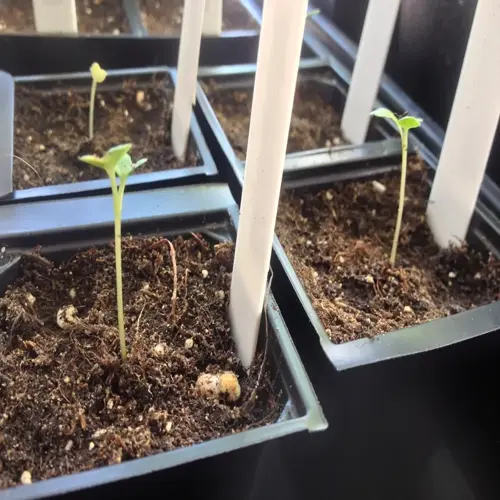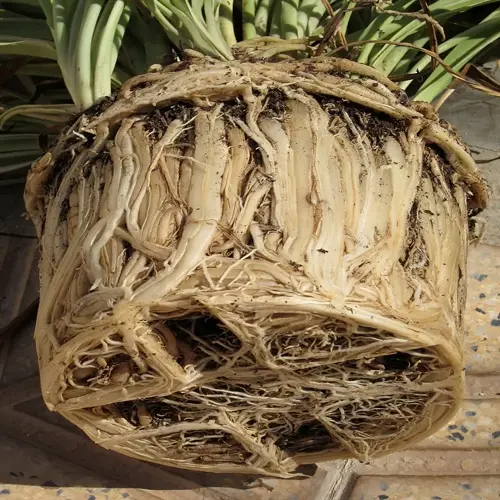

"That's just dirt in a fancy bag," my neighbor said, leaning over the fence at the sack of mix on my west kitchen windowsill. I scooped out a handful and held it up for him to see. No mineral grit, no gravel, nothing that crunched between my fingers. I rolled it around and felt only fibrous brown coir and bright white perlite that crumbled apart like coarse sponge. So, no, a soilless medium vs soil is not the same thing, even when the bag sits in the same spot your garden dirt would.
The growing medium vs soil question comes down to what each one is made of. Garden soil is mostly weathered mineral particles, the broken-down bits of sand, silt, and clay that took thousands of years to form. It also carries native nutrients and a living crew of microbes, fungi, and worms working in the background. A soilless mix has none of that when you open the bag. You are holding an engineered blend of coir, peat, perlite, and bark, and it brings few nutrients of its own to the party.
That difference shows up the moment you scoop each one into a pot. Real soil packs down hard in a container and drains slowly, so you end up drowning your roots after just a few waterings. A soilless mix is built the other way. The chunky bits hold open air pockets, so water runs through fast and your roots still get the oxygen they need to breathe. This is the main reason container growers reach for a soil alternative instead of digging up the backyard. The mix is also far lighter, which your back will thank you for when you move a big planter.
The pH gap matters too, and it catches a lot of people off guard. Peat-based mixes sit acidic, somewhere around pH 3.0 to 4.5, while typical garden soil runs close to neutral. Most bagged mixes have lime added to push that number up into a friendly range for your plants. Soil out of the ground brings its own pH instead, set by years of rain and the rock underneath, and it swings wildly from one yard to the next. You cannot assume the dirt by your back door matches what a seed packet expects.
Here is the real catch with going soilless. Because the mix carries almost no built-in nutrient reserve, your plant eats through the little that is there within a few weeks. After that it starts to starve, and you will see pale leaves and stalled growth as the first warning. You have to feed regularly with a liquid or slow-release fertilizer to keep things moving. Soil does part of this job for you. The biology in the ground breaks down organic matter and frees up nutrients season after season. With a soilless mix, you are the one supplying the food.
So what should you actually do with all this? Keep your native garden soil in the garden, where its weight, biology, and nutrient store all earn their keep around in-ground roots. For your pots and trays, reach for a soilless mix and plan to feed it on a schedule. Drop backyard dirt into a container and you end up with a heavy, soggy brick that chokes your roots within a month. The two materials can look almost identical in your hand, but they behave like opposites the second a plant has to live in them.
Read the full article: Soilless Growing Medium: A Complete Guide