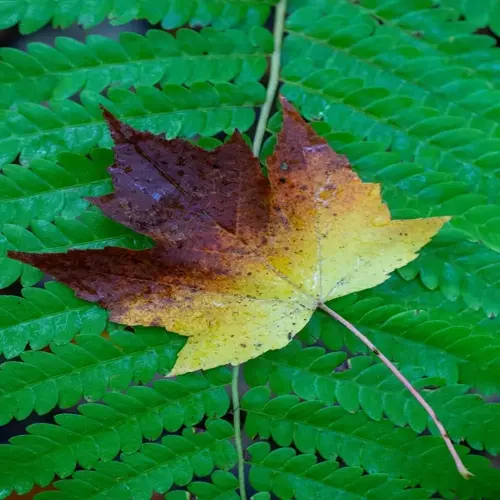

A curious dog is far more likely to nibble the soft spring fiddleheads than the tough mature fronds. Those coils are tender and easy to bite. So is cinnamon fern toxic to dogs? The honest answer is that the fronds are at least mildly toxic, so you should discourage your dog from chewing on the plant. It is not a stop-the-presses poison. But it is not a snack either, and a little caution goes a long way here.
When you think about cinnamon fern and pets, the spring fiddleheads matter most. They uncurl as soft, woolly, cinnamon-brown coils in early spring. A puppy or a bored dog can mouth them with ease. The full-grown fronds are tall and fibrous, and most dogs leave them alone. Your real watch window is those few weeks when the new growth is fresh, low, and easy to reach.
Here is what the science actually says. So is cinnamon fern poisonous? The clearest source we have is human-focused. A plant guide from the University of Washington sums it up. It says the fiddleheads are at least mildly toxic. In people they can cause nausea, dizziness, and headache. No large study has looked at dogs eating this exact plant. But when a plant upsets a human stomach, it is prudent to assume a dog that eats a mouthful could feel sick too.
It helps to know what cinnamon fern is not. It is a mildly toxic fern, and that is a different thing from bracken fern. Bracken holds a compound named ptaquiloside. That is the real cancer worry people bring up with ferns. The risk sits in bracken, not in cinnamon fern. A lot of garden blogs blur the two and scare people for no reason. Cinnamon fern has its own milder issue, and you should not pin bracken's record on it.
So you do not need to rip the plant out of your yard. You just need a few simple habits around it. Most dogs ignore a mature clump in a shady, damp corner anyway. The plan below covers the handful of things that keep a curious dog and a healthy fern in the same garden without trouble.
- Discourage: Teach a firm leave-it cue and steer your dog away from chewing the plant, the same way you would with any garden greenery.
- Supervise: Keep an eye on pets in early spring when the soft fiddleheads are fresh, low, and the easiest part to bite.
- Block: Tuck the fern behind taller plants or a low border so a young or nosy dog has a harder time reaching the new coils.
- Call your veterinarian if your dog eats a quantity of the fern and then shows nausea, drooling, vomiting, or other off behavior.
A single accidental nibble ends with nothing worse than a grumpy stomach. The bigger concern is a dog that eats a real quantity of fresh fiddleheads in one go. If that happens and your dog starts drooling, vomiting, or acting low, do not wait it out. Call your vet, tell them about how much the dog ate, and follow their advice. They would rather hear from you early than late.
Plant placement does most of the work for you. Cinnamon fern wants a wet, shady spot, often near a pond edge or a damp back corner of the yard. Those out-of-the-way places tend to sit off a dog's main path anyway. Put the fern where your dog rarely roams, and you cut the odds of a chewing problem before it ever starts. Good placement beats constant watching every time.
The short version is reassuring. Cinnamon fern is a mildly toxic fern, not a deadly one, and a dog would have to make a real meal of the fresh fiddleheads to feel rough. Keep your dog from grazing on it, stay alert during the spring flush, and know your vet's number. Do that and you can enjoy this graceful native fern in a shady, damp corner with your dog happily wandering the rest of the yard.
Read the full article: Cinnamon Fern: Complete Grow and Care Guide