
Introduction
Most ferns give you one shade of green and call it a day. The autumn fern breaks that rule. Its new fronds push up in spring with a coppery-pink to bronze-red glow, then settle into a glossy dark green by summer. After the first fall frost, many plants flush copper all over again, which is how this fern earned its name.
That seasonal color is not the only thing going for it. In the 2021 shade trials at the Penn State Trial Gardens, every one of the 12 evaluations scored 4 or higher out of 5. The plant also holds the RHS Award of Garden Merit, a mark that tells you it performs well in real gardens, not just on a label. Botanists know it as Dryopteris erythrosora, and you may see it sold as copper shield fern too.
Here is where this guide does more than the rest. Plenty of autumn fern pages list light and water and stop there. You get the honest specifics instead. You will learn how often to water through the season and what winter care looks like in colder zones. You will also see which shade plants pair well with it and the real story behind its naturalization question. This is a true shade fern that earns its low maintenance reputation, but only when you set it up right.
By the end you will know how to handle light, soil, water, planting, and seasonal care from start to finish. You will also learn how to put this fern to work in the garden and how to fix common problems when they show up. Everything is written for a complete beginner, so let's start with what this plant actually is.
Autumn Fern Care Basics
Three glossy green clumps catch the light in the north-facing bed beneath the old oak at the back of my garden. I planted three 'Brilliance' divisions there three springs ago, and now I can read their arching fronds from the kitchen window while I wash up. The spot sits in shade most of the day, the kind of corner where flowers sulk and give you nothing.
That is the whole appeal of autumn fern care. Think of this plant the way you think of a hosta. It is a set-and-forget shade plant that thrives in a spot too dark for blooms, and it asks almost nothing of you once the roots take hold.
Autumn fern is the common name for Dryopteris erythrosora, a clump-forming fern from China and East Asia. A grown plant stands 1.5 to 2 feet (45 to 60 cm) tall. It spreads 2 to 3 feet (60 to 90 cm) wide, though a single crown rarely pushes past 24 inches (60 cm). Growth is slow, so it takes a few years to fill out. It never bolts off and swamps a bed in one season.
Here is the trait that earns its name. This is one of the few ferns with real seasonal color value. New fronds open reddish and coppery before they age to deep glossy green, so the color shows up on the fresh growth rather than as a fall leaf change. The name itself means red sori, a nod to the bright spore cases on the undersides.
It is also a semi-evergreen fern in milder spots. It holds much of its foliage through winter, then tired fronds give way to spring growth. The plant is deer resistant and rabbit resistant. It shrugs off drought once the roots take hold, and it stays mostly free of pests and disease. Most sources rate it hardy across USDA zones 5 to 9. A few stretch the range to zone 4 or 11, so check what works where you live.
All of that makes it a quiet workhorse for any shade garden. The quick facts below give you the whole picture at a glance before the later sections dig into light, water, soil, and winter care one at a time.
This finely divided, dark green fern has a delicate appearance but is actually a very hardy survivor.
Light, Soil and Water Needs
Three things keep autumn fern happy, and they all trace back to the forest floor it comes from. Give it dappled shade, give it rich acidic soil, and keep that soil damp, and the plant takes care of itself. Get one of those wrong and you will see it in the fronds within a few weeks.
Watering trips up more growers than light or soil ever do. The fix is simple once you can feel it. Aim for moist soil that feels like a wrung-out sponge, never standing water. Water often in the first season to keep the ground evenly damp, then back off to about weekly during dry spells once the plant settles in. A layer of mulch acts like a blanket and holds that moisture in for you.
Light and Exposure
- Best light: Dappled sun to deep shade suits autumn fern best, the same woodland-edge conditions it grows in naturally.
- Sun limit: It tolerates one to two hours of direct sun, and handles more only when the soil stays reliably moist.
- Watch for: Scorched, crispy frond edges are a sign of too much sun or hot afternoon exposure for the plant.
Soil and pH
- Texture: It grows in clay, sand, or loam, but thrives in rich, humus-heavy soil amended with compost or leaf mold.
- pH: Aim for acidic soil below pH 6.0, which matches its native woodland-floor conditions and supports healthy roots.
- Drainage: Soil must hold moisture yet drain freely, since constantly soggy ground invites the root rot that kills ferns.
Water and Moisture
- Frequency: Water regularly to keep soil consistently moist through the first season, then roughly weekly in dry spells once established.
- Consistency: Even moisture matters more than volume, so avoid letting the soil swing between bone-dry and waterlogged.
- Mulch: A two to three inch (5 to 8 cm) layer of mulch conserves moisture, cools roots, and cuts watering chores.
Drought and Salt Tolerance
- Once established: Mature plants tolerate brief drought and dry shade, but growth and color suffer without steady moisture.
- First year: New plants are not drought tolerant yet, so do not let them dry out during their first growing season.
- Salt: Salt tolerance is poor, so keep autumn fern away from de-iced walkways and heavily salted coastal sites.
Overwatering, not underwatering, is the most frequent killer. Keep soil evenly moist like a wrung-out sponge, and make sure water drains freely so the roots never sit in standing water.
Hold those three pillars together and the rest falls into place. The plant wants the same thing all year, which is well-draining soil that stays damp but never soggy. Match that, and your fern will reward you with steady growth and that signature coppery color each spring.
Planting and Propagation
A division I lifted from the shaded north-facing bed under the oak sulked and yellowed for weeks. Its fronds went pale and limp, and no new growth showed at all. I had buried the crown too deep when I set it. Once I dug it back up and reset it level with the soil, it pushed fresh fronds within a couple of weeks.
So planting depth is the one detail you cannot rush with autumn fern. Set the crown level with the surrounding soil, never below it. Dig your hole about twice the width of the root ball, then water in well so the roots settle into even moisture. A buried crown stays wet and sulks, while one you set too high dries out and crisps at the edges.
Autumn fern propagation comes down to two methods, and one is far faster than the other. The plant spreads on its own through slow underground creeping rhizomes, so rhizome division is the quickest and most reliable way to make new plants. Lift a mature clump in spring, slice the rhizome into sections that each carry roots and fronds, and replant right away.
You can also grow it from spores, sown when they are ripe, but this route takes real patience. Spores are slow to germinate and slow to fill out, so most gardeners stick with division. For spacing, set plants 12 to 18 inches (30 to 45 cm) apart on center. That gap lets the clumps knit into a groundcover without crowding each other out.
Choose a shaded, moisture-retentive spot and plant or divide in spring or early fall when weather is cool and roots can settle.
Loosen the bed and mix in compost or leaf mold to build the acidic, humus-rich, moisture-holding soil autumn fern prefers.
Dig a hole about twice the width of the root ball, then set the plant so its crown sits level with the surrounding soil, never buried deep.
Place plants 12 to 18 inches (30 to 45 cm) apart on center so clumps fill in as a groundcover without crowding each other.
To propagate, lift a mature clump in spring, slice the rhizome into sections each with roots and fronds, and replant right away.
Soak the area thoroughly after planting and add a mulch layer to lock in moisture while the new roots establish over the first season.
Seasonal and Winter Care
Autumn fern looks different in every season, and that change is the whole point of growing it. A clear month-by-month calendar tells you what to expect and when to act. Once you know the rhythm, winter care stops feeling like a guessing game.
This fern is semi-evergreen in colder climates, which means it holds some of its fronds through the cold but not all of them. In mild regions it stays green all year. In the coldest zones it can brown out and look rough until spring wakes it back up. Knowing which version you have shapes how much you fuss over it.
The spring flush is the headline moment. New fronds push up in a copper-pink to bronze-red color that no other shade plant in the bed can match. They unfurl one by one and mature to glossy dark green by summer. After the first frost in fall, that copper tint often creeps back into the foliage as a quieter encore of the same show.
Here is how the four seasons play out for autumn fern, so you can match your care to what the plant is actually doing.
Spring
Coppery-pink to bronze-red new fronds unfurl. Cut back any old or damaged fronds first, then resume regular watering as growth restarts.
Summer
Fronds mature to glossy dark green. Keep soil consistently moist in heat, water deeply in dry spells, and refresh mulch to cool the roots.
Fall
After the first frost, copper color often returns to the foliage. Reduce watering as growth slows and leave fronds standing for winter cover.
Winter
Semi-evergreen in cold zones and evergreen in mild ones. Add a protective mulch layer over the crown where hard freezes are common.
Timing your cleanup is the one task people get wrong. Cut back fronds that are old or winter-damaged in late winter to early spring, right before the new coppery growth starts to unfurl. Wait too long and you risk slicing into the fresh growth. Do it too early and you strip away cover the crown still needs.
In cold zones a layer of mulch over the crown is your best insurance against a hard freeze. The RHS rates this fern at hardiness H4. That holds down to about 14°F (minus 10°C), so zone 5 and 6 plants can die back hard and look dead by late winter. Do not pull them. Moisture matters less during winter dormancy, but start watering again as soon as growth restarts in spring.
In zones 5 to 6, autumn fern may die back hard over winter and look dead by late winter. Do not pull it; it usually resurges with fresh copper fronds in spring once the soil warms.
Garden Uses and Companions
A bare, root-choked strip under the oak at the back of my garden is now a glossy green carpet. I underplanted it with 'Brilliance' divisions and a few hostas one spring, and the clumps knit together within two seasons. The whole strip glows copper every time new fronds push up.
Before that, I tried grass there four years running. The seed sprouted thin, the oak roots drank every drop of water, and each patch died back to dirt by midsummer. Shade and dry roots beat lawn every time. The autumn fern just shrugged and spread.
That strip works because the right companion plants turn one fern into a finished bed. This plant earns its place as groundcover, as edging, in mass plantings, and as a quiet accent. It also anchors a true woodland garden when you pair it with the right neighbors.
The design value is simple. Its arching, fine-textured, semi-evergreen fronds give a shade bed real structure in winter, when many companions have died to the ground. So the bed reads as full year-round. New fronds glow copper, so they pair best with plants that echo that tone, like bronze-leaved heucheras, and with broad leaves that contrast the fine texture.
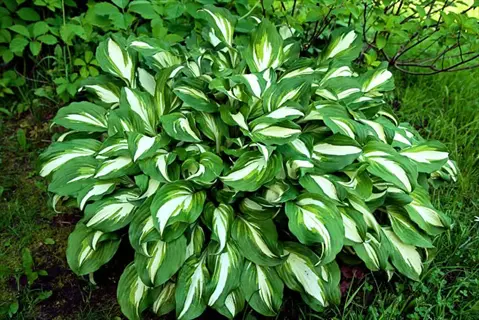
Hostas
- Why it works: Broad, bold hosta leaves contrast the fern's fine, lacy texture for a layered shade planting.
- Shared needs: Both want shade, rich soil, and consistent moisture, so their care routines line up neatly.
- Color play: Blue and gold hostas set off the fern's coppery new fronds and glossy green mature foliage.
- Season: The semi-evergreen fern carries the bed through winter after hostas die back to the ground.
- Spacing: Give each plant room so mature clumps knit together without smothering one another.
- Bonus: Both are deer-resistant choices that hold up in low-light woodland-style borders.
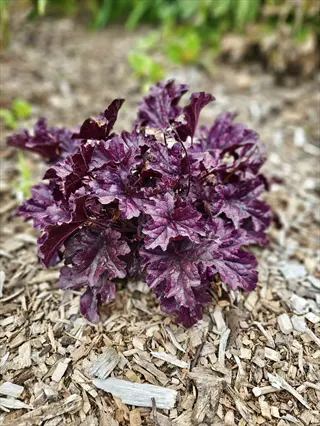
Heucheras (Coral Bells)
- Why it works: Bronze and amber heuchera foliage echoes the copper tone of new autumn fern fronds.
- Texture: Rounded, ruffled heuchera leaves contrast the fern's finely divided, arching fronds.
- Shared needs: Both thrive in partial to full shade with moist, well-draining, humus-rich soil.
- Year-round: Many heucheras are evergreen, pairing with the semi-evergreen fern for winter interest.
- Placement: Use heucheras along the front edge with ferns rising behind for a tidy layered look.
- Pollinators: Heuchera flower spikes add a light, airy bloom above the fern's foliage in spring.
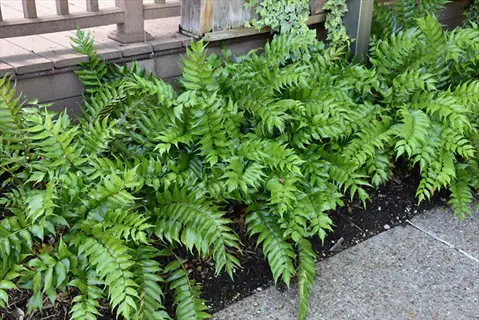
Holly Fern and Mahonia
- Why it works: UF/IFAS specifically notes autumn fern combines well with Mahonia fortunei and holly fern.
- Texture: Glossy, leathery holly fern and Mahonia leaves contrast the softer autumn fern fronds.
- Structure: Together they build an all-fern-and-evergreen layer that holds its shape in winter.
- Shade match: All three handle deep, dry-ish shade once established in rich woodland soil.
- Layering: Taller Mahonia anchors the back, with autumn fern and holly fern filling the middle.
- Low care: This grouping is famously low-maintenance and resistant to deer browsing.
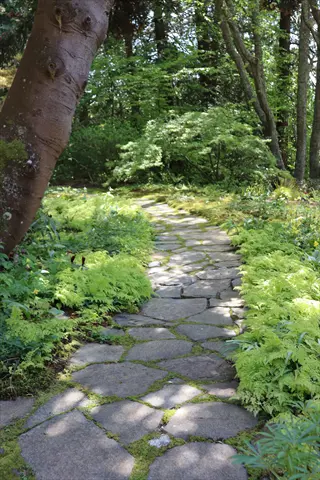
Mass Planting as Groundcover
- Why it works: Planted 12 to 18 inches (30 to 45 cm) apart, clumps knit into a flowing groundcover.
- Use: Ideal for shady slopes, woodland edges, and bare ground beneath trees and large shrubs.
- Erosion: Creeping rhizomes help stabilize soil on gentle shaded banks once plants establish.
- Color sweep: A mass planting turns the whole spring flush into a sheet of coppery new growth.
- Maintenance: Once filled in, it suppresses weeds and needs little beyond seasonal frond cleanup.
- Edging: A single row also works as a soft, fine-textured edge along a shaded path or border.
Mix these partners and you get a layered shade garden that holds its shape from spring through deep winter. Hostas and heucheras bring bold leaves and color up front, while holly fern and Mahonia build a leafy backdrop behind.
For the biggest impact, lean on a mass planting. Set divisions 12 to 18 inches apart on a shady slope or bare ground under trees, and the clumps will sweep into a flowing carpet. Once it fills in, it crowds out weeds and asks for little beyond a yearly frond cleanup.
Problems, Pests and Spread
Most autumn fern problems trace back to one mistake, and it almost always involves water. You get a tough, low-care plant that NC State, UF/IFAS, and the RHS all rate as pest-free and disease-free. It also shrugs off browsing, since it stays deer resistant and rabbits leave your fronds alone too.
When something does go wrong, you can read the fern like a chart. Yellowing leaves point to too much water or soil that stays soggy. Brown, crispy tips point the other way, toward too little water or too much direct sun. So the fix is simple. Match the symptom to its cause, then adjust the light or the moisture.
The one threat that can kill your plant outright is root rot, along with crown rot at the base. Both come from waterlogged roots that never get to dry out. Pests stay rare and minor, but you may spot aphids, mealybugs, scale, or spider mites now and then. A quick rinse or insecticidal soap clears them. Use the table below to tie each symptom you see to its real cause and the fix that works.
One last issue is spread, and here the experts disagree. EDDMapS says the fern has spread on its own in three states. They are Georgia, Kansas, and North Carolina. It also shows up on several regional invasive lists. NC State flags it as potentially weedy. Yet UF/IFAS says it is not known to be invasive. The plant creeps along by slow rhizomes. It only seeds itself from spores now and then, so it stays well-behaved in most gardens. If native woodland ferns grow near your beds, site it with care and pull any stray seedlings you find.
Autumn fern is reported naturalized in Georgia, Kansas, and North Carolina and appears on some regional invasive lists, though UF/IFAS calls it not known to be invasive. Where native woodland ferns grow nearby, site it thoughtfully and remove any stray seedlings.
5 Common Myths
Autumn ferns need full sun to show their best copper color and will stay pale and weak when grown in the shade.
They are shade ferns. The copper-pink new fronds appear in dappled to deep shade, and too much sun scorches the foliage instead.
Autumn ferns are tropical houseplants that cannot survive outdoors and must be kept inside in a warm room all year long.
They are hardy landscape ferns, generally surviving zones 5 to 9 outdoors and staying semi-evergreen or evergreen through most winters.
Autumn ferns spread aggressively like running bamboo and will quickly take over an entire garden bed once established.
They spread slowly by creeping rhizomes and form tidy clumps, though they can naturalize from spores in suitable woodland sites.
The more you water an autumn fern, the healthier it grows, so keeping the soil constantly wet is always the safest choice.
Soggy soil causes root rot, a top killer. They want consistently moist but well-draining soil, never standing water around the roots.
Autumn fern turns bright red in fall like a maple tree, which is exactly where its common name comes from.
Mature fronds stay green in fall. The copper color comes from new spring fronds and a frost-triggered return, not a fall leaf change.
Conclusion
The autumn fern earns its spot in any shady corner with very little fuss from you. Those coppery new fronds that mature to glossy green give you real seasonal color, and the plant asks almost nothing in return. It is the kind of low maintenance plant that makes a beginner look like they have been gardening for years.
Keep the few numbers that matter in your head and you will rarely go wrong. This fern wants dappled to deep shade, acidic soil that stays moist, and it holds up across zones 5 to 9. At full size it forms a tidy clump about 1.5 to 2 feet (45 to 60 cm) tall and 2 to 3 feet (60 to 90 cm) wide, so give it room to settle in.
Here is the honest part. This plant is genuinely easy, deer and rabbit leave it alone, and it is semi-evergreen through milder winters. It also carries the RHS Award of Garden Merit. And it pulled top marks in Penn State's 2021 shade trials, so it does as well in the ground as on paper. The one thing it asks of you is thoughtful siting, since the copper shield fern can spread and naturalize where conditions suit it.
Get the three pillars right and the rest takes care of itself. Give it shade, moist acidic soil, and steady water, and your shade garden gains a plant that looks good in every season with barely any work. Start with one healthy clump, watch it shift from copper to green, and you will see why so many gardeners keep coming back to this fern.
Glossary
- crown
- The point at the soil line where a plant's stems and roots meet and new growth emerges.
- crown rot
- Decay of a plant's crown caused by soggy soil, often killing the plant.
- Dryopteris erythrosora
- The botanical name for autumn fern, a clump-forming shade fern native to eastern Asia.
- frond
- The leaf of a fern, often finely divided into many small leaflets.
- naturalize
- When a non-native plant spreads and establishes on its own in the wild.
- rhizome
- An underground stem that creeps sideways and sends up new shoots and roots.
- semi-evergreen
- A plant that keeps its leaves through mild winters but loses them in colder ones.
- spores
- Tiny reproductive cells ferns release to make new plants instead of using seeds.
External Sources
Frequently Asked Questions
Do autumn ferns like sun or shade?
Autumn ferns prefer dappled to deep shade. They tolerate one to two hours of direct sun, and more sun only with steady moisture.
Can autumn ferns survive winter?
Yes. Autumn ferns are generally hardy in zones 5 to 9 and stay semi-evergreen in cold areas, dying back hard only in the coldest winters.
Are autumn ferns evergreen?
Autumn ferns are semi-evergreen. They stay evergreen in mild climates and hold fronds through winter, but die back in the coldest zones.
Do autumn ferns spread quickly?
No. Autumn ferns spread slowly by creeping rhizomes and form tidy clumps, though they can naturalize from spores over time.
Do autumn ferns grow well in pots?
Yes. Autumn ferns grow well in pots with rich, well-draining mix, shade, and steady moisture, since containers dry out faster than ground soil.
How fast do autumn ferns grow?
Autumn ferns grow slowly, taking several years to reach their mature size of about 1.5 to 2 feet tall and 2 to 3 feet wide.
How much water do autumn ferns need?
Autumn ferns need consistently moist, never soggy soil. Water regularly in the first season, then weekly in dry spells once established.
Why is my autumn fern dying?
Common causes include overwatering and root rot, too much sun or dry soil, and seasonal die-back. Match light, soil, and water to fix most issues.
What kills ferns permanently?
Root rot from soggy soil, prolonged drought, deep freezes, and fully digging out the rhizomes are the main ways ferns die for good.
Is autumn fern a good indoor plant?
Autumn fern can grow indoors in bright, indirect light with high humidity, but it is a landscape plant at heart and prefers an outdoor season.