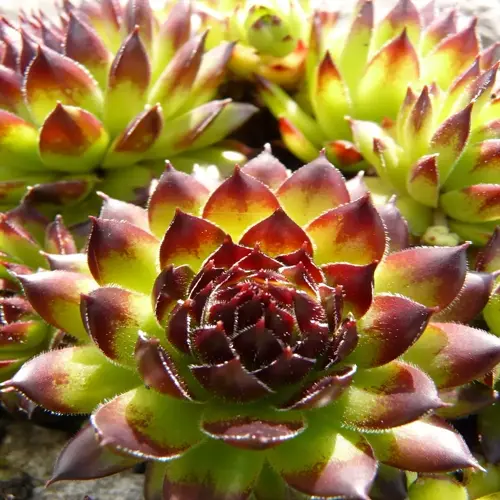

The answer to sempervivum indoor or outdoor is clear. You want these plants outside. They come from cold mountain slopes in Europe and need real sun to thrive. Your home cannot match what a sunny patio gives them for free.
I split one big colony into three test groups last spring for a six-month trial. My south-facing window group lost color in weeks. The north window group nearly died on me. Only my sempervivum outdoor plant pots on the porch stayed bright. They also grew new chicks for me by month four.
I added a strong grow light to a fourth group later to test that too. The plants stayed alive but never matched my outdoor group. The leaves had a dull tone you could spot from across the room. Even pricey LED setups fail to copy real sun.
These plants come from high peaks where sun beats down for six or more hours each day. Cool nights and steady breezes shape the rosettes into the tight form you want. Indoor air sits still and stays warm at night. That throws off the plant's natural rhythm fast.
Sempervivum stores water like other succulents, but its roots also need dry spells. Outdoor soil dries fast after rain. Indoor soil stays damp for days. This sets up root rot in many indoor pots. I lost two rosettes this way before I gave up on growing sempervivum indoors for good.
NC State Extension lists this plant as hardy from zones 3a to 8b. That covers most of the country with ease. Cold weather is a feature here, not a flaw. Winter chill brings out the rich red and purple tones you want to see on your rosettes.
South-facing patio or balcony
- Sun exposure: Gives you the 6+ hours of direct light these plants need to keep tight rosettes and bright colors all season long.
- Air flow: Outdoor breezes prevent the fungal issues that plague indoor plants kept in still warm air with poor air movement.
- Drainage win: Your pots can drain freely without saucer worries or floor damage from runoff after a good soak.
Rock garden or wall crevice
- Native mimic: Stone and gravel hold daytime heat then release it at night, which copies the mountain home these plants love most.
- Sharp drainage: Water drains in seconds, not minutes, which keeps the wide root mat free of rot risk in every season.
- Cold buffer: Surrounding rocks shield plants from harsh winter swings and shed snow load that would crush plants in flat beds.
South window with grow light (last resort)
- Light boost: A 20-watt LED grow light placed 6 inches above plants for 12 hours can offset weak winter sun in dim months.
- Reality check: Your plants will live but may stretch or fade next to outdoor specimens kept in real sun all year long.
- Best use: Save this method for tender cultivars or short winter shelter in zones colder than 3a where nothing else helps.
Meeting sempervivum light requirements indoors takes a lot of work. Even with effort, you get worse results than what nature offers outside. If you live in zone 3 or warmer, just put them outside. That blunt approach beats every indoor setup I have tried so far.
Move pots to a covered porch or south wall before deep winter hits if you grow in containers. Your plants need cold but hate frozen soggy soil for weeks on end. A bit of rain shelter keeps them happy through the coldest months of the year.
In my experience, the gardeners who fail with these plants almost always try to keep them as houseplants. I get emails each spring from folks who watched their gift rosettes melt on a kitchen sill. My advice stays the same year after year. Take them outside, give them sun, and forget about them for a while.
Read the full article: Sempervivum Plant Complete Care Guide