
No, they overlap but they are not identical. The real potting mix vs potting soil difference comes down to what sits inside the bag, not the words printed on the front. Two bags on the same garden-center shelf can read potting mix and potting soil and still hold very different things. The front label is marketing. The ingredient panel is the truth.
Here is the part that trips people up. The labels carry no strict rules, so the names mean less than you think. One brand can call a fully soilless blend potting soil. Another brand calls an almost identical product potting mix. There is no rule forcing either word to match a set recipe. So the name tells you almost nothing on its own, and you have to flip the bag over and read it.
In practice, a soilless potting mix holds no field dirt at all. It leans on peat moss or coconut coir for moisture, plus perlite and vermiculite to keep the blend airy. A bag labeled potting soil often takes that same base and adds compost, aged bark, or screened topsoil. That extra material changes how the blend drains and how much it feeds your plants over time.
So why does the wording matter so little? Most so-called soil sold for containers is engineered, not dug from the ground. True garden dirt packs down hard inside a pot and chokes roots. Drainage stalls and water pools on top. That is why both products start from light, fluffy ingredients in the first place. The real split shows up only when a maker decides to fold heavy organic matter back in.
The compost in many potting soil ingredients is a real plus for heavy feeders. Tomatoes and peppers in big outdoor pots love it. It holds water longer and releases nutrients slow over the season. But that same richness can backfire indoors. Damp, soil-based blends invite fungus gnats. They can also rot delicate seedling roots before the plants ever get going.
Weight is the other thing nobody mentions on the front of the bag. A soilless mix is light and fluffy because it has no mineral dirt in it. That makes a hanging basket or a shelf of starter cells easy to move around. Soil-based blends feel heavy and dense by comparison. They settle and compact faster, so you end up topping off the pot sooner than you planned.
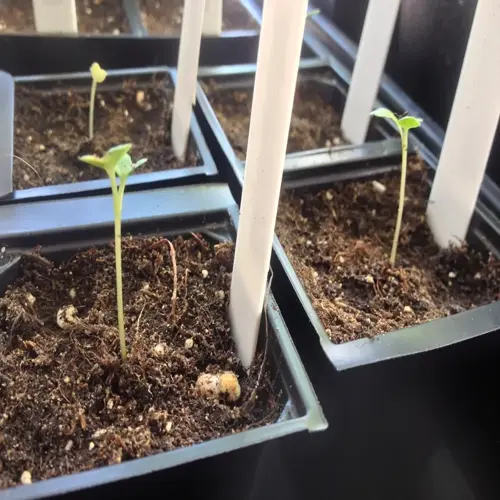
There is a sterility angle too. A good soilless potting mix is usually clean of weed seeds, pests, and soil-borne disease. That matters a lot when you start seeds, since young roots have no defense against rot or damping off. Bagged potting soil with raw topsoil can carry those problems right into your trays. For starts, clean wins almost every time.
So trust the ingredient list, never the front label. A bag that reads potting soil but lists only peat, perlite, and a wetting agent is a soilless product wearing the wrong name. The reverse happens too. Spend ten seconds reading the back panel and you skip a lot of guesswork standing in the aisle. The words on the front do not bind the maker to anything.
Reach for a fully soilless mix when you want consistent drainage and a clean, sterile, lighter blend. It is the safer pick for starting seeds, rooting cuttings, and most houseplants on a windowsill. Save the heavier soil-based bags for outdoor containers, where the extra weight and richness pull their weight. Match the bag to the job, read the panel first, and your plants get just what their roots want.
Read the full article: Soilless Growing Medium: A Complete Guide