
Introduction
I lost 18 tomato plants to a late April frost back in 2019. In my experience, that cold morning pushed me into the row cover garden world for good. I had spent six weeks raising those seedlings from tiny starts.
A floating row cover works like a light jacket for your plants. It lets sun in by day but holds warmth at night. Maryland Extension data shows air under garden fabric runs 5 to 15°F warmer than outside.
Most guides give you bits and pieces. None of them put weight specs, frost protection numbers, and mesh grades in one easy spot. This guide fixes that gap with clear charts and timing rules.
Home gardening jumped 20% in recent years. More families want cheap ways to boost season extension in the yard. By the end of this read, you will know the right fabric for spring frost and the right mesh for pest control.
10 Best Row Covers for Gardens
I tested dozens of covers over the years before I built this top 10 list. Each cover here matches a clear job, from spring frost to summer pests. The right match can boost cucurbit yields by up to 25% per NMSU Guide H-251.
Use a lightweight row cover for greens, and a medium one for transplants. Use insect mesh for squash and cukes. Save the heavyweight row cover for fall cold spells. Pick a summerweight fabric or shade netting for hot July beds. Reemay and Agribon brands lead most store searches for good reason.
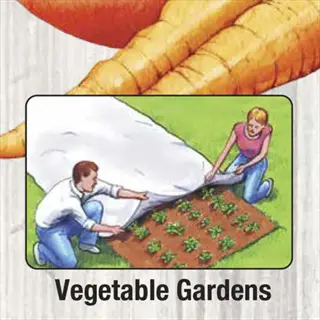
Lightweight Spun-Bonded Polyester
- Weight: 0.45 ounces per square yard, the lightest standard category used for season-long seeding to harvest coverage.
- Light transmission: 90 to 95%, allowing nearly full sunlight for leafy greens and root crops underneath.
- Frost protection: About 2 degrees Fahrenheit, suited for wind shelter and mild night-temperature dips.
- Best crops: Beets, snap beans, salad greens, carrots, and other crops that benefit from continuous insect exclusion.
- Lifespan: Typically lasts a few months to one season, since the thin material tears easily under wind stress.
- Buying tip: Choose this weight when pest exclusion matters more than night warmth, especially during spring and summer pest pressure.
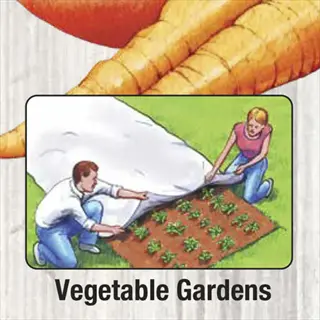
Medium-Weight All-Purpose Cover
- Weight: 0.5 to 1.0 ounces per square yard, the most versatile category for spring and fall use.
- Light transmission: 70 to 85%, providing enough sunlight for most warm-season transplants to thrive.
- Frost protection: 4 to 6 degrees Fahrenheit, enough for typical late spring freezes in temperate zones.
- Best crops: Tomato and pepper transplants, beans, squash starts, and cool-season brassicas during shoulder seasons.
- Lifespan: Usually 2 to 3 seasons with careful storage and gentle handling between uses.
- Buying tip: This is the cover most home gardeners should start with because it balances light, warmth, and durability.
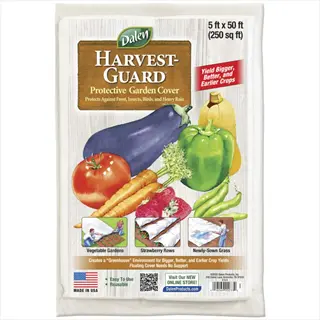
Heavyweight Frost Blanket
- Weight: 1.5 to 2.2 ounces per square yard, the densest woven garden fabric for serious cold protection.
- Light transmission: 30 to 50%, which is too low for long-term coverage of light-hungry crops.
- Frost protection: Up to 8 degrees Fahrenheit, useful for overwintering hardy greens and protecting fall harvests.
- Best crops: Spinach, kale, and chard during winter, plus emergency overnight protection during hard freezes.
- Lifespan: Often 3 or more seasons because the heavier fabric resists tears and UV breakdown better.
- Buying tip: Use sparingly during the day since trapped heat can stress plants once outside temperatures climb above 60 degrees Fahrenheit.
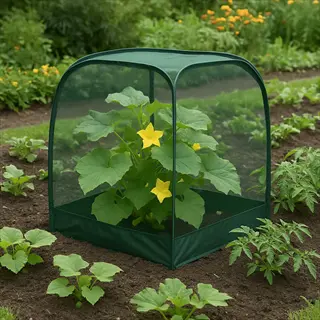
Insect Mesh Netting
- Weight: Light woven mesh measured by hole size rather than ounces per square yard.
- Light transmission: About 80%, close to a lightweight spun-bonded cover but with much better airflow.
- Frost protection: Minimal, since the open weave releases warm air, so use it for pests rather than cold.
- Best crops: Squash, cucumbers, melons, and brassicas under heavy pest pressure during warm summer months.
- Lifespan: Often 5 or more years thanks to UV-stabilized fibers and the woven, tear-resistant construction.
- Buying tip: Match mesh size to target pest, since only fine mesh excludes aphids, thrips, whitefly, and flea beetles.
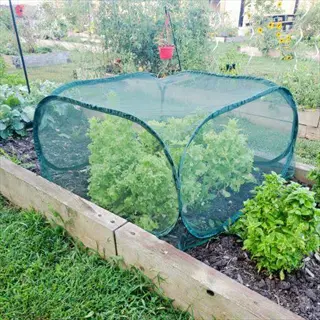
Summerweight Shade Fabric
- Weight: Ultra-light fabric similar to a 0.45 ounce cover but engineered for ventilation and heat tolerance.
- Light transmission: Around 85%, with significantly better airflow than standard lightweight covers.
- Frost protection: Negligible, since this fabric is meant to cool rather than warm the plant canopy.
- Best crops: Lettuce, spinach, and brassicas during summer to prevent bolting and heat stress.
- Lifespan: Roughly 2 seasons of consistent use before UV thinning weakens the fibers.
- Buying tip: Drape over hoops to leave an air gap, which improves cooling efficiency on hot afternoons above 85 degrees Fahrenheit.
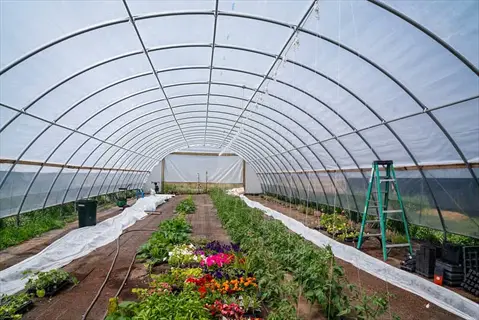
Clear Perforated Polyethylene
- Weight: Roughly 1.5 mil thick clear plastic film with about 74 ventilation holes per square foot.
- Light transmission: Greater than 90%, very close to bare-ground sun exposure for fastest spring growth.
- Frost protection: Strong, especially when used as the California System tunnel with hoops every 5 to 7 feet.
- Best crops: Early spring transplants such as melons, peppers, and tomatoes pushing the planting calendar 2 weeks earlier.
- Lifespan: Typically one season, since UV breakdown weakens the film by mid-summer.
- Buying tip: Vent or remove when daytime temperatures exceed 75 degrees Fahrenheit to avoid scorching young foliage.
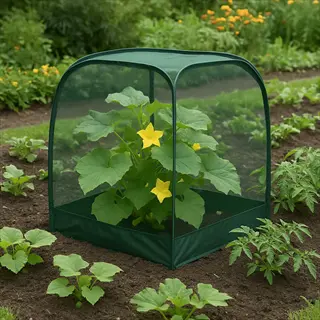
Polypropylene Floating Cover
- Weight: Generally 0.55 ounces per square yard, similar to medium-weight polyester but slightly more flexible.
- Light transmission: Around 85%, well suited to draping directly on top of crops without hoops.
- Frost protection: About 4 degrees Fahrenheit, enough for typical spring nighttime lows in zones 5 through 8.
- Best crops: Direct-seeded carrots, radishes, beets, and onions where the cover sits on the leaf canopy.
- Lifespan: Usually 1 to 2 seasons when removed cleanly and stored away from rodents.
- Buying tip: Choose a wider roll than your bed since extra fabric is needed to bury the edges fully under soil.
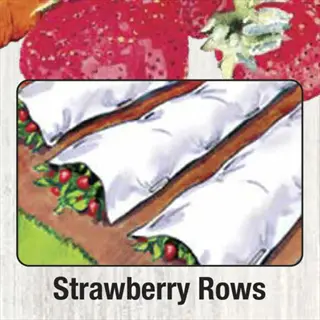
GardenQuilt Style Heavy Cover
- Weight: Around 1.5 ounces per square yard, branded as a premium heavyweight option from major retailers.
- Light transmission: Approximately 30%, intended for overnight use rather than continuous coverage.
- Frost protection: Roughly 8 degrees Fahrenheit, rated by retailers down to about 24 degrees Fahrenheit overnight.
- Best crops: Late-season fall crops, tender perennials in cold snaps, and tomato beds during early freeze threats.
- Lifespan: 3 or more seasons since the dense fabric resists abrasion against hoops and frames.
- Buying tip: Remove during sunny days to avoid trapped heat exceeding 90 degrees Fahrenheit, which damages fruit set.
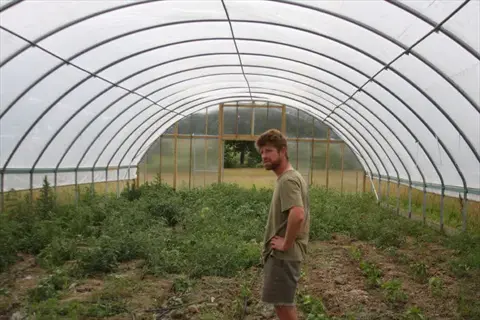
Mini Hoop Tunnel Kit
- Weight: Pairs medium-weight 0.55 ounce fabric with 9 to 10 gauge wire hoops 48 to 60 inches long.
- Light transmission: Equal to whatever cover is mounted, typically 70 to 85% on the fabric layer.
- Frost protection: 4 to 6 degrees Fahrenheit thanks to the air gap between fabric and foliage.
- Best crops: Mixed beds of greens, brassicas, and herbs where you want elevated airflow above the canopy.
- Lifespan: Hoops last 10 or more years, while fabric layers cycle out every 1 to 3 seasons.
- Buying tip: Space hoops every 4 to 5 feet for stability and add brightly colored end caps so you can see them while mowing.
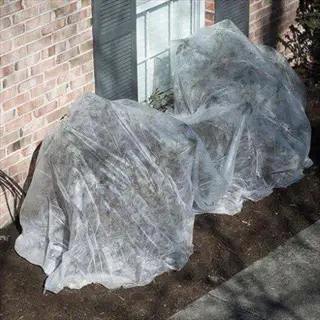
DIY Bed Sheet Emergency Cover
- Weight: Variable, usually heavier than purpose-built covers and not designed for light transmission.
- Light transmission: Near zero, so this option is strictly an overnight rescue rather than a multi-day cover.
- Frost protection: Roughly 2 to 4 degrees Fahrenheit when draped over stakes to avoid touching leaves.
- Best crops: Any tender crop during a one-off frost warning when a real row cover is not available.
- Lifespan: Many seasons when the sheet is dried and stored, though it stains and degrades from soil contact.
- Buying tip: Always remove sheets in the morning since trapped moisture and zero light will quickly suffocate the plants underneath.
Row Cover Weights and Specs
Here is the quick reference chart I wish I had when I bought my first cover. The rule is simple: more oz per square yard means more warmth but less light. A lightweight row cover lets in more sun, while a heavyweight row cover traps more heat at night.
Wisconsin Extension notes that heavy fabric can boost daytime temps by 10°F or more above the air outside. That sounds great in March, but the same trick can cook your crops by May. Use this table to match weight to season and skip the guesswork.
For most home beds, a mediumweight row cover at 0.55 oz hits the sweet spot. It gives good light transmission and solid frost protection rating all in one. I keep one roll of medium and one of heavy on hand for the full year.
Installing and Anchoring Covers
Most cover failures I see come from one windy night. The edges lift, pests crawl in, and warm air escapes. Good install is the key to both pest control and frost protection.
Think of it like tucking a bed sheet under a mattress. Your fabric needs slack on top and a tight seal at the soil line. Below is my full step-by-step on how to install row cover the right way using wire hoops and good soil mounding.
Prepare the Garden Bed
- Clear debris: Remove sticks, rocks, and old plant litter that could puncture the fabric or shelter overwintering pests.
- Water deeply: Soak the bed before covering since drip irrigation under cover is the easiest watering method afterward.
- Scout for pests: Check leaves for existing eggs or larvae because trapped pests reproduce faster under the warmer canopy.
- Mark hoop locations: Place flags every 4 to 5 feet to keep hoop spacing consistent along the full bed length.
- Measure cover width: Add at least 12 inches on each side of the bed so the fabric reaches the soil with slack.
Install Support Hoops
- Choose hoop material: 9 to 10 gauge galvanized wire, half-inch PVC, or fiberglass rods all work for low tunnels.
- Set hoop height: Aim for 15 to 30 inches above the soil so plants have headroom as they grow.
- Space hoops evenly: Place hoops 4 to 5 feet apart along the bed for stability under wind and snow load.
- Push hoops deep: Drive each leg 6 to 8 inches into the soil so the hoop resists lifting during storms.
- Add a ridge line: Run twine along the top of the hoops to reduce fabric sag between supports.
Drape and Position the Fabric
- Unroll along the bed: Walk the fabric down one side so it unfurls evenly without dragging across hoops.
- Leave slack: Allow the cover to billow slightly so plants have room to grow without abrading the fabric.
- Check coverage: Confirm the fabric overhangs each side of the bed by at least 12 inches before anchoring.
- Avoid direct contact: For frost protection, hoops keep fabric off leaves so frost cannot transfer through.
- Label ends: Tag the cover with the install date so you can track season-extension performance over time.
Anchor the Edges Securely
- Bury the perimeter: Mound 2 to 3 inches of soil over the fabric edges every 3 feet for the tightest seal.
- Use rocks or bricks: Heavier weights work on rocky soil where soil mounding is impractical or messy.
- Add earth staples: U-shaped metal staples drive directly through fabric for a clean, removable anchor system.
- Trench when windy: In open exposed gardens, dig a small trench and bury fabric edges for extra wind resistance.
- Inspect after storms: Walk the bed after wind events to repair lifted edges before pests or cold air enter.
In my experience, a solid install on low tunnels takes about 20 minutes per bed. The first time will feel slow, but the process speeds up fast. Use the anchoring row cover tips above with garden hoops and your fabric will stay put through spring storms.
When to Cover and Remove
Knowing when to remove row cover is just as key as knowing when to put it on. When I first tried covering my flowering tomatoes, I left the fabric on too long. My results shocked me when fruit set dropped by half because bees could not get in for pollination.
Wisconsin Extension warns of blossom drop above 86°F in tomatoes and peppers. Maryland cites 90°F as the cutoff for beans. My removal framework below shows the right plan for cool-season crops and warm-season crops. It covers each life stage from seeding to harvest.
My morning and afternoon trick works well during early flowering on cucurbits. Lift the cover at sunrise so bees can work, then drop it back at 4pm for the cool night. UNH Extension calls it the safest plan for indeterminate tomatoes in spring. Overheating is the silent killer that most gardeners miss until fruit set fails.
Mesh Grades for Pest Exclusion
Mesh grade works like a window screen. The screen keeps out mosquitos but lets gnats through. The same logic applies to insect mesh in the garden, where the hole size sets which pest exclusion you get.
When I first tested mesh on my squash, I lost a whole crop to squash vine borer in 2020 because my mesh was too coarse. That experience taught me that Utah State data is right: only the finest grade blocks aphids and thrips. The same fine grade stops whitefly and Colorado potato beetle young too.
Coarse Mesh (Greater Than 1 mm)
- Blocked pests: Moths, stink bugs, squash bugs, large beetles, and Colorado potato beetle adults during peak summer activity.
- Allowed through: Aphids, thrips, whitefly, spider mites, and flea beetles slip through the open weave easily.
- Best for: Mature plants past the seedling stage where small pests do less damage to the established foliage.
- Light transmission: Around 90%, very close to no cover at all for vigorous summer growth.
- Airflow: Excellent, which lowers fungal disease risk in humid climates and during heavy summer rains.
Medium Mesh (0.6 to 1 mm)
- Blocked pests: Cabbage moths, cucumber beetles, squash vine borer adults, and most caterpillar moths during egg-laying.
- Allowed through: Aphids, thrips, and the smallest whitefly species still pass through this opening size.
- Best for: Brassicas, squash, and cucumbers during early to mid-season pest pressure.
- Light transmission: Roughly 85%, suitable for full-season coverage of most vegetable crops.
- Airflow: Good, which helps moderate underneath temperatures and reduce condensation buildup overnight.
Fine Mesh (0.3 to 0.6 mm)
- Blocked pests: All beetles, moths, and many smaller insects including most flea beetle and leafhopper species.
- Allowed through: Only the very smallest thrips and certain aphid species in heavy infestations.
- Best for: Leafy greens, brassicas, and early-season crops where flea beetle damage threatens seedlings.
- Light transmission: Approximately 80%, still adequate for most cool-season crops to grow normally.
- Airflow: Moderate, requires careful venting in midsummer to avoid trapping excessive heat under the cover.
Ultra Fine Mesh (Less Than 0.3 mm)
- Blocked pests: Aphids, thrips, spider mites, whitefly, flea beetles, and essentially all common garden insects.
- Allowed through: Almost nothing, providing the most complete pest exclusion available for home gardens.
- Best for: High-value crops under heavy aphid or thrips pressure, especially seedlings and transplants.
- Light transmission: Around 75 to 80%, requires verifying that target crops tolerate slightly reduced sunlight.
- Airflow: Limited, which means lifting the cover regularly during hot weather to prevent overheating.
Watch out for condensation buildup under fine mesh, since wet leaves boost mildew risk fast. Check hoop contact points each week for tears from wind rub. Store folded covers in rodent proof bins because mice love to nest in and chew bare fabric all winter long.
5 Common Myths
Row covers always block beneficial pollinators, so they cannot be used on fruiting crops at all.
Covers should be removed once flowering begins, or lifted in the morning and replaced in the afternoon to allow pollinators access.
Heavier row covers are always better because they trap more warmth and last for many more growing seasons.
Heavyweight fabric cuts light to 30 to 50 percent, slowing growth, and most lightweight fabrics still last 1 to 3 seasons with proper care.
Row covers can stay on all summer to keep insects out without harming the vegetable plants underneath them.
Air under covers runs 5 to 15 degrees Fahrenheit hotter, and temperatures above 86 to 90 degrees Fahrenheit cause flower drop in beans, tomatoes, and peppers.
Any old bed sheet works just as well as a real spun-bonded row cover for protecting plants from frost.
Spun-bonded fabric transmits light, breathes, and is engineered for specific frost ratings, while sheets block light and trap excess moisture.
Row covers eliminate the need for any pest scouting because no insect can ever get under the fabric edges.
If pests are already in the soil or breach unsealed edges, covered conditions can accelerate their reproduction without natural predators.
Conclusion
A row cover garden gives you three big wins at once. You get frost protection in spring, pest exclusion in summer, and season extension in fall. In my experience, those benefits pay for the fabric many times over.
This guide gave you the weight chart, mesh grade rules, and crop removal schedule that other sites skip. Match your cover weight to the season and target pest. You will skip the costly trial and error I went through with my own vegetable garden.
NMSU Guide H-251 found that row cover plus black plastic mulch can speed cucurbits by 1 to 3 weeks. Home gardeners report harvests 1 to 2 weeks early and yield boosts of 25% when both tools work in the same bed.
If frost is your threat, start with a medium weight cover today. If squash vine borer is the enemy, go straight to fine insect mesh instead. Either way, your harvest will thank you for the small upfront cost.
External Sources
Frequently Asked Questions
What are row covers for gardens?
Row covers are lightweight spun-bonded polyester or polypropylene fabrics laid over plants to provide frost protection, pest exclusion, and season extension.
What is a seed row cover?
A seed row cover is a lightweight fabric placed over freshly seeded beds to retain soil moisture, prevent crusting, and speed germination.
How to use garden row covers?
Drape fabric loosely over plants or hoops, then seal edges with soil, rocks, or staples every 3 feet to trap warmth and exclude pests.
What can I use for row covers?
Common materials include:
- Spun-bonded polyester (Reemay, Agribon)
- Spun-bonded polypropylene fabric
- Insect mesh netting
- Clear perforated polyethylene
- Old bed sheets for one-time frost emergencies
When to use a row cover?
Use row covers during early spring frost risk, fall frost, pest emergence windows, and to shelter seedlings from wind or hot afternoon sun.
Do row covers block sunlight?
Yes, but only partially. Light covers transmit 90 to 95 percent light, medium 70 to 85 percent, and heavyweight covers transmit 30 to 50 percent.
Do row covers protect from frost?
Yes. Light covers offer about 2 degrees Fahrenheit of protection, medium 4 to 6 degrees, and heavyweight covers up to 8 degrees of frost protection.
What is the best row cover for tomatoes?
A medium-weight cover (0.5 to 1.0 ounces per square yard) works best early, then switch to insect mesh once flowering begins to allow pollination.
Do row covers protect from pests?
Yes, when edges are fully sealed. They block squash vine borer, cucumber beetles, flea beetles, Colorado potato beetle, rabbits, deer, and birds.
What kind of fabric is used for row covers?
Most row covers use spun-bonded polyester (Reemay) or polypropylene (Agribon) fabric, with woven polyethylene mesh for pest-only exclusion applications.