
The best cinnamon fern uses are simple to list. Use it to fill damp shade and to plant rain gardens. Use it to edge ponds and streams. It also holds soil against erosion and gives wildlife a place to hide. This native fern earns its keep in the wet, shady spots where most plants give up and rot.
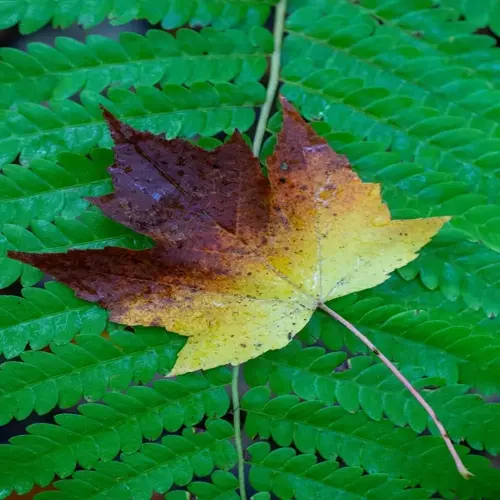
I planted a row of these ferns in the back corner of my zone 6 garden, and now they set it on fire every fall. The fronds turn a warm golden color and glow against the dark woods edge, right where the lawn fades into the trees. That corner stayed soggy and bare for years. Nothing wanted it. Now it holds the brightest patch of color I have, and the ground there finally feels alive.
Most of these cinnamon fern landscape uses trace back to one fact: this plant loves water. It carries a FACW wetland rating, which means it grows in wet soil that would drown a normal garden plant. That makes it a natural rain garden fern for the low, soggy zone where runoff pools after a storm. Plant it in the deepest, wettest part of the basin and it drinks up the water that would kill other roots.
The roots do quiet work too. A mature clump grows a thick, fibrous root mass that grips the soil like a net. That grip turns it into a reliable erosion control plant for raw streambanks and shaded slopes. The fine roots knit the surface together and slow the flow of water across bare ground. If you have a wet bank where the dirt keeps sliding, a band of these ferns can lock the slope in place over a couple of seasons. You get a green, living wall instead of a strip of mud, and you skip the cost of rock or netting.
One of my favorite cinnamon fern uses is the way it feeds a small world of wildlife. Songbirds raid the clumps for the soft brown hairs on the young stems and weave them into their nests. The Kentucky Warbler is one bird that lines its nest with these fibers. I have watched wrens pick at the fronds in my own bed each spring. The tall, arching fronds also give frogs, toads, and ground birds a cool, damp place to shelter from heat and hawks.
Two more traits make it easy to place. It is highly deer resistant, so deer pass it by even in yards where they eat almost everything else. It also tolerates black walnut, shrugging off the juglone that poisons many plants near those trees. That black walnut tolerance opens up the tough shade under a walnut where few other natives will grow.
Pair it with the right neighbors and your damp bed comes together fast. Good companions include golden ragwort, great blue lobelia, and wild geranium, all of which share its love of moist shade. The ferns give you a tall green backdrop while the others add flowers at ground level. Together they form a layered native planting that needs little help from you once the roots take hold. You water it through the first summer, and after that the bed mostly runs itself.
You should put it to work in mass plantings across damp shade. Plant it in drifts along ponds and streams to hold the bank, and use it as a backbone plant in your native garden. Treat it as a tough, good-looking ornamental, not a food crop. You should not eat the mature fronds. Plant this fern for its looks, its roots, and the wildlife it draws. Then let it run that wet, shady corner for you.
Read the full article: Cinnamon Fern: Complete Grow and Care Guide