
I slid the yellowing pothos out of its pot while my neighbor watched over the fence. She had pointed at it by her east-facing kitchen window and figured it just needed more water. The roots came away soft and brown, and a sour smell rose off the soil. The real fix was less water, not more. The trouble had been sitting under the surface for weeks where neither of us could see it.
The clearest signs of root rot show up below the soil line, where you cannot spot them at a glance. Above ground you get widespread yellowing, drooping leaves, and growth that stalls out. Down in the pot you find mushy dark roots, a sour smell, and soggy soil that stays heavy for days after you water. Those four root rot symptoms together are the real giveaway. One yellow leaf by itself can mean a dozen things, but yellowing across the whole plant paired with wet, smelly soil points straight at the roots.
There is a sneaky part to this. An overwatered plant often looks exactly like a thirsty one. The leaves go limp, the edges brown, and your gut says to grab the watering can. But the soil is already wet, and adding more only pushes the plant deeper into trouble. So check the soil before you reach for water. A finger an inch down tells you more than the look of the leaves ever will.
Here is what actually happens in the pot. Soil that stays wet all the time leaves no air pockets between the particles, so the roots cannot get oxygen. Roots breathe, and without air they suffocate and start to decay. Dead roots cannot pull up water or nutrients, so the leaves upstairs go hungry and turn yellow. That is the cruel twist behind root rot. The plant looks like it needs water while its own waterlogged roots are the reason it is starving.
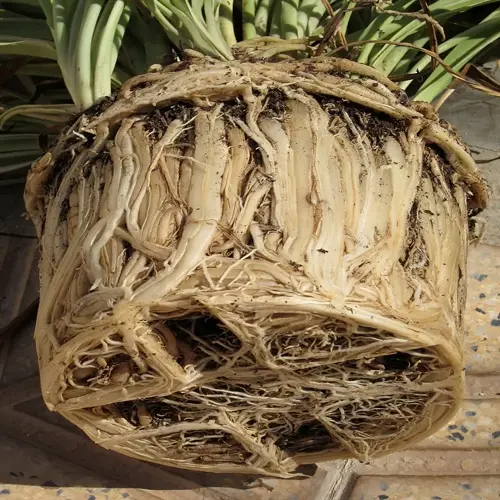
To confirm it, slide the plant out and look at the root ball up close. Healthy roots are firm and pale, often white or tan, and they hold their shape when you give them a gentle tug. Rotted roots are brown or black, mushy, and slip apart between your fingers, sometimes leaving a bare stringy thread behind. Overwatered plant roots also tend to smell sour or swampy rather than clean and earthy. If the mix is still soaking wet days after you watered, that backs up what your nose and eyes already told you.
Acting fast gives the plant a real shot. Unpot it and shake off the wet soil so you can see every root clearly. Use clean scissors or shears and trim away every mushy root until only firm, pale ones remain. Do not be shy here. Leaving even a little rot behind lets it creep back into the healthy tissue. Wipe your tools with rubbing alcohol between cuts so you do not spread the decay from one root to the next.
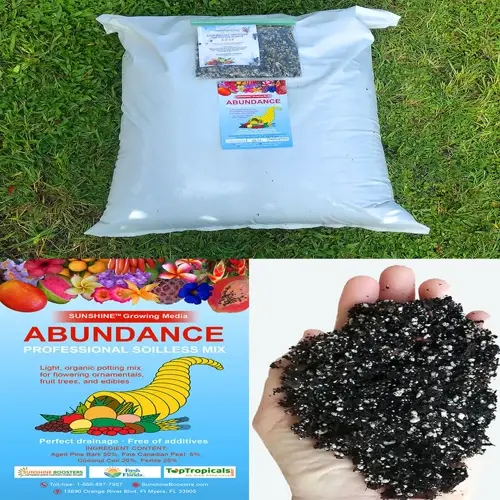
Then give the trimmed plant a fresh start. Repot it in fresh, well-draining mix in a pot with drainage holes, and choose a container only slightly larger than the trimmed root ball. A pot that is too big holds extra wet soil the small root system cannot use, which sets you up for the same problem all over again. Skip the saucer full of standing water, and never let the bottom of the pot sit in a puddle.
The watering habit is what keeps rot from coming back for good. Wait until the top inch or two of soil is dry before you water again. Stick a finger in to check rather than watering on a set day each week. Pour off any water that collects in the saucer within a few minutes. Most houseplants would rather sit a touch dry than stay soaked, so when you are unsure, hold off a day or two. The yellowing pothos next door bounced back once my neighbor traded her watering schedule for a quick finger test, and yours can too.
Read the full article: Yellow Leaves on Plants: Causes and Fixes