
You can grow a full, thriving tomato plant in a bag that holds no garden soil at all. That bag is filled with a soilless growing medium, a blend of materials made to hold roots, water, and air without a single scoop of dirt. It works because plants do not really need soil itself. They need what good soil happens to provide, and a soilless mix supplies those same things in a cleaner, lighter package.
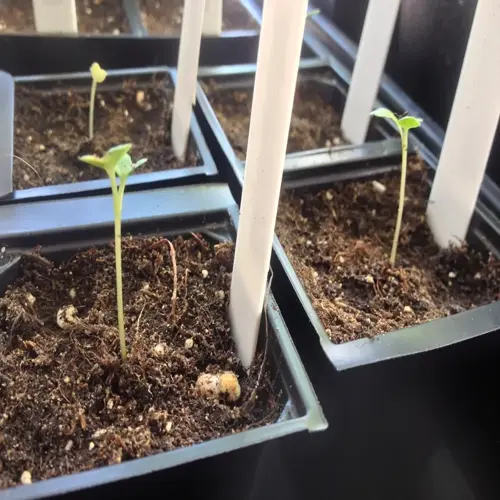
Think about what roots really ask for. They need something firm to grip, steady moisture, fresh air around them, and food they can pull in. A soilless mix gives all four. The big win is control. You skip the weed seeds, the fungus, and the pests that ride along in real ground, and you start with a clean, predictable base every single time. That clean start matters most for seedlings, which can rot fast in heavy garden dirt before they ever break the surface.
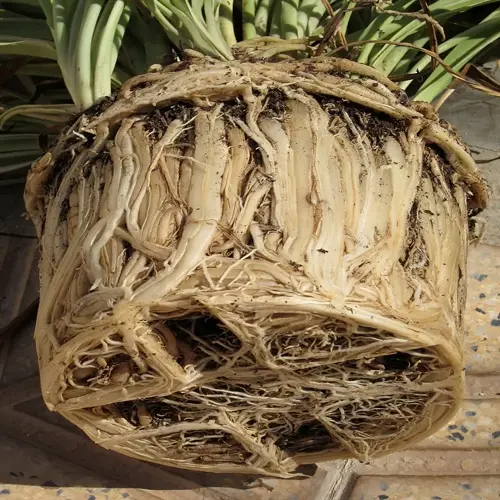
Experts at Oklahoma State University Extension lay out the job in plain terms. A growing medium has to do four things at once. It must anchor the roots so the plant stands up straight. It must hold water for the roots to drink. It must keep open pockets of air so roots can breathe. And it must hold onto nutrients until the plant takes them up. Plain garden soil often fails at one or two of these jobs once you put it in a pot. That is why container growers reach for a mix built on purpose.
A soilless growing medium is built from two kinds of parts that each pull their own weight. Knowing what each one does helps you read a bag label and pick the right product.
- Peat holds water well and gives the mix its soft, spongy body.
- Coco coir does the same job as peat but comes from coconut husks and takes up water again with no fuss.
- Bark adds bulk and keeps the blend loose so air can reach the roots.
- Perlite is puffed volcanic glass that creates air pockets and stops the mix from packing down.
- Vermiculite is a heated mineral that grabs water and a bit of nutrient, then feeds both back over time.
- Rockwool is spun from melted rock and holds roots in a firm grip, so it shows up a lot in hydroponic setups.
The organic parts hold the water. The inorganic parts hold the air. Most blends pair them so the medium stays both moist and airy, the balance roots love most. A peat-and-perlite mix is the classic combo you will see again and again, and it works for a huge range of plants.
Here is the catch you need to plan for. A soilless growing medium carries very few nutrients on its own. Peat and coir are nearly empty, so a plant set in pure mix will run hungry within a couple of weeks. That means feeding is on you. You add nutrients through a liquid feed or a slow-release product worked into the mix at planting.
Because a soilless medium starts almost empty, plan to feed. A balanced fertilizer with even amounts of nitrogen, phosphorus, and potassium covers most plants for most of the season.
When you shop, you will find dozens of growing media on the shelf, from light seed-starting blends to heavy potting mixes. For most home use, a balanced general blend is the safe pick. It drains well, holds enough water, and works for vegetables, flowers, and houseplants alike. Check the bag for a peat or coir base mixed with perlite, and you have a solid all-rounder. Once you know what each part does, you can read past the marketing and trust what is in the bag. That small bit of label reading saves you money and saves your plants from a poor start.
Read the full article: Soilless Growing Medium: A Complete Guide