
Two plants can show the same yellow leaf for completely different reasons. Ask about the most common cause yellow leaves point to. The honest answer is that you read it from the leaf, not the color. On the everyday list, watering stress leads, with too much water at the top. The most common nutrient reason is iron, which turns leaves yellow while the veins stay green. So the real first step is looking, not guessing.
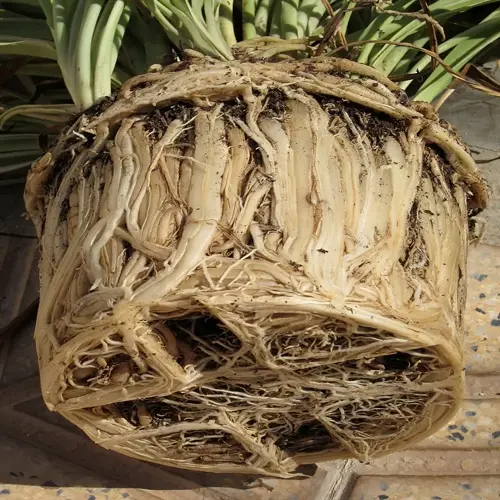
Start with the soil, since overwatering yellow leaves are what most people run into first. When soil stays soggy, water fills the air pockets that roots need to breathe. The roots suffocate, then begin to rot. A plant with rotting roots cannot pull up water or food. The leaves go pale and yellow even though the pot still feels wet to the touch. Older, lower leaves usually turn first, and the whole leaf fades at once rather than in a pattern.
Push a finger two inches into the soil before you do a single thing. If it feels wet and the leaves droop, you are looking at too much water, not too little. Let the soil dry out between drinks and make sure the pot drains from the bottom. A pot with no drainage hole is the quiet killer behind a lot of yellow leaves. Many people see a sad plant and reach for the watering can, which is the exact wrong move when the roots are already drowning.
Now the nutrient side. The leading iron chlorosis cause is not a lack of iron in the ground at all. It is soil pH above 7.0, which locks the iron in place so roots cannot take it up. The dirt can be packed with iron and the plant still goes hungry. Cold, wet soil makes the lockout worse. So an iron problem and a watering problem can feed each other in one pot. That is why reading the pattern beats trusting the color.
A trusted source backs this up. The team at the University of Illinois Extension says iron is the top one of the bunch. Manganese, zinc, and nitrogen follow close behind. Each one leaves its own mark on the plant. They differ by where they start and which way they spread. So the leaf itself tells you which shortage you have once you know where to look.
Here is the pattern that sorts it out. Iron shortage hits the newest leaves first, and the tissue turns yellow while the small veins stay green. That green-vein, yellow-tissue look is the classic sign of an iron problem. Nitrogen runs the other way and yellows the old leaves in a more even, all-over fade. Manganese and zinc tend to start on the inner, older leaves too. Reading leaf position alone rules out half the suspects fast.
- Old, lower leaves yellow first and may feel soft.
- Soil stays wet and heavy between waterings.
- Whole leaf fades to pale yellow at once.
- New, top leaves yellow first.
- Small veins stay green while tissue turns yellow.
- Often tied to soil pH above 7.0.
Check two things before you reach for any fix. Feel the soil moisture, and note which leaves went yellow, old or new. Those two clues sort out most cases on their own. If the pattern points to a nutrient or pH problem, get a soil test before you add anything at all. Guessing at nutrients can push the pH the wrong way and make the yellowing worse. A cheap test kit gives you the real number, so you treat the actual cause instead of throwing fixes at a plant and hoping one sticks.
Read the full article: Yellow Leaves on Plants: Causes and Fixes