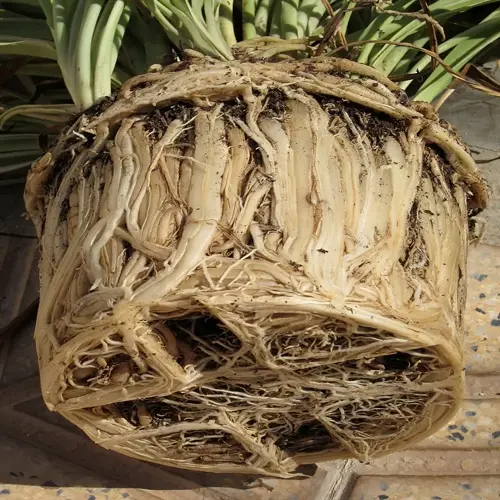

I lifted my wilting peace lily off the west kitchen windowsill and the pot felt heavy and cold. The soil was soaked, reused garden dirt packed hard around the stem. I tipped the rootball out and the roots came away brown and mushy in my fingers. A pothos had died in that same spot before I swapped it to a draining soilless mix. The water sat there the whole time. Houseplant overwatering killed both plants while I kept reaching for the can.
Too much water is the top killer. More plants die from a wet pot than from drought, pests, and low light combined. The cruel part is that houseplant overwatering looks like thirst. You see drooping leaves, yellow tips, and soft stems, so you water again. That extra drink is what finishes the plant off.
Here is why you fall for it. Thirsty roots and drowning roots both make a plant wilt, because in both cases the roots cannot move water up to the leaves. So your eyes tell you to add water when the pot already holds far too much. This single mix-up is the most common way people end up killing houseplants without ever meaning to.
Roots need air as much as they need water. A healthy mix is full of tiny pockets that hold oxygen between the wet bits. When you flood the pot, water fills those pockets and pushes the air out. The roots sit there and slowly suffocate over a day or two. You never see it happen because it all takes place under the soil line.
Once roots run out of oxygen they start to rot, and fungus moves in on the weak tissue. That is root rot, and by the time the leaves wilt the damage runs deep. This is why air-filled porosity matters as much as how much water a mix can hold. A medium that drains well lets your roots breathe between drinks, and that breathing keeps them alive.
The medium changes your odds more than your watering habits do. A light soilless mix with perlite holds about 25% air-filled porosity. It drains fast and pulls in fresh oxygen right after a heavy soak. Dense garden soil in a pot does the opposite. It packs down tight, holds water for days, and gives your roots nowhere to dry out.
You can watch this play out side by side. I once watered two cuttings the same way, one in a perlite mix and one in scooped garden soil. The mix drained in a minute and the cutting rooted fine. I checked the soil pot a week later and found it still wet, with the cutting rotted at the base. Same water, very different result, all down to the medium.
Good root rot prevention starts with the pot, not the schedule. Use a free-draining soilless mix instead of garden soil. Let the top inch of the medium dry out before you water again, and check it with your finger rather than guessing by the calendar. When you do water, soak it until liquid runs out the bottom, then stop and let the pot drain fully.
A pot with no drainage hole traps water at the roots no matter how good your mix is. Always use a container that drains, and empty the saucer after watering.
Get the medium and the pot right and the watering takes care of itself. A draining mix forgives the odd heavy pour because the extra water leaves fast. Most people who lose plant after plant are not careless with their care. They just keep the roots sitting in water, and the roots never get a single breath.
Read the full article: Soilless Growing Medium: A Complete Guide