
Most people skip eating kiwi skin because the fuzzy brown coat feels rough and hairy in the mouth, not because it is dangerous. The skin is fully edible and high in fiber. People peel it for texture, plain and simple. Wash a fuzzy kiwi and you can bite right through it like an apple, fuzz and all.
The split shows up the second you compare two kinds of kiwi side by side. A supermarket fuzzy kiwi has a thick brown skin coated in stiff little hairs. You drag a thumb across it and it feels like coarse sandpaper. Most hands reach for a peeler. A kiwiberry, on the other hand, is no bigger than a grape with thin smooth skin and no fuzz at all. You pop the whole thing in your mouth without a second thought.
So the fuzz is the whole reason. The kiwi skin edible debate ends fast once you know the hairs are the only catch. The skin packs more fiber than the green flesh inside, but those hairs put people off. The texture feels strange against the tongue and some folks say it makes their lips tingle. None of that means the skin is unsafe to eat. Rinse off the fuzz under cold water, or rub it down with a clean towel, and the skin softens into something far easier to chew.
There is real food value sitting in that skin you toss in the bin. The brown layer holds a big share of the fruit's fiber along with extra vitamin C and folate. Peel it away and you throw out roughly a third of the fiber the fruit could have given you. That is the trade you make for a softer bite. For most people the texture wins, so the skin goes in the compost.
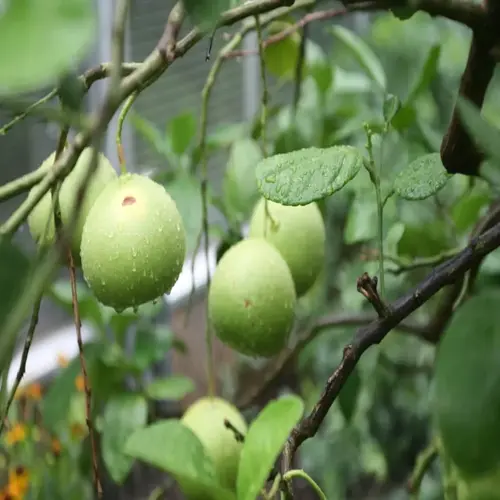
This is where the hardy kiwiberry earns its place. These little fruits come from Actinidia arguta, a cold-tough vine that is a close cousin of the big fuzzy kiwi. The fruit looks like a tiny grape-sized kiwi with the same bright green flesh and black seeds inside. The key difference is the skin. Kiwiberry skin is smooth and hairless, so there is nothing to peel and nothing rough to chew.
Because the skin stays on, you keep everything good that lives in it. The kiwiberry skin holds the same fiber and nutrients that get lost when you peel a fuzzy kiwi. You eat the whole fruit in one bite, skin and all, the way you would eat a grape or a blueberry. That makes them a true grab-and-go snack with no knife, no peeler, and no mess on your hands.
You have two clear paths if you want that skin and its fiber. The first is the easy one. Wash a fuzzy kiwi well, scrub off as much fuzz as you can, and eat it whole the next time you would have peeled it. Your body gets the extra fiber and you save a step. Slice it into rounds with the skin on if biting through the fuzz still feels odd to you.
The second path is for gardeners who want fruit they never have to peel. Grow your own hardy kiwiberries and you get a vine full of snackable, smooth-skinned fruit each fall. They handle cold winters far better than the fuzzy types and ripen into sweet little bites you eat by the handful. Either way, eating kiwi skin is your call to make. The skin was always safe. People just peeled it to dodge the fuzz.
Read the full article: How to Grow a Kiwi Vine: Full Guide