
I found browned, curled frond tips on the cinnamon fern in the damp back corner of my zone 6 garden one dry August. It sits right by the woods edge, in soil that usually stays moist all summer. That year the leafy outer fronds went crisp and pale at the edges. The whole plant looked like it was giving up on me. So I started a deep soak once a week, a slow trickle for twenty minutes at the base. Within two weeks fresh green growth pushed out from the crown.
A cinnamon fern turning brown is often nothing to worry about, since the tall central stalks are supposed to be brown. So if you are asking why is my cinnamon fern brown, look at where the brown sits before you assume the worst. The spikes in the middle are healthy, but crispy outer fronds in the heat of summer point to something you can fix.
The brown spikes you see standing up in the center are the fertile fronds, and they carry the plant's spores. They turn a rich cinnamon-brown color as they ripen in late spring, which is exactly where the fern gets its name. These stalks die back and fall away by midsummer, and that is a normal part of the cycle, not a sign of trouble. New gardeners often pull these stalks out, thinking they are dead leaves. Leave them be and let the plant release its spores in peace.
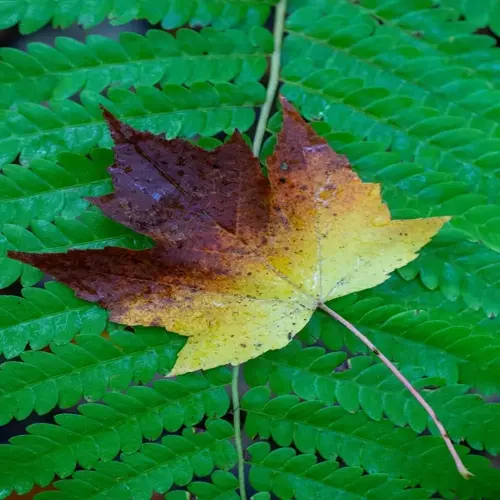
Color in fall works the same friendly way. As the days get shorter and cooler, the green outer fronds fade to a soft golden-brown and then drop. This seasonal dieback means the plant is going dormant for winter, and the crown stays alive and ready underground for spring.
Summer browning is the kind you act on. When the whole frond goes brown at once during a hot, dry stretch, you are almost always looking at fern drought stress. These ferns want steady moisture all season long. Dry soil pushes them into an early dormancy, where they brown out months ahead of schedule. The fix is water, not worry. You can tell drought from real disease by how the brown spreads. Drought browns the edges and tips first, then works inward, and it hits the whole plant at a similar pace.
Here is some good news about this plant. The cinnamon fern has no serious pests or diseases to track down, so you can skip the bug spray and the fungus hunt. In rare cases the osmunda borer tunnels into a crown, or crown rot sets in when the soil stays soggy and stagnant. Both are uncommon, so check your moisture level first before you blame either one.
To bring a stressed fern back, soak the soil deeply once a week and lay two to three inches of mulch over the root zone to hold that water in. Shredded leaves or bark work well and keep the crown cool through the worst heat. Aim for soil that stays damp like a wrung-out sponge, never bone dry and never a swamp.
Even if your fern browns early, you have not lost it. The crown holds its energy through winter and sends up new fiddleheads the next spring, often bigger than the year before. My back-corner fern came back fuller the following May, with a tighter clump of fronds and three new fertile stalks. Give yours consistent water and good mulch, and a brown fern in August is just a plant taking a nap, not a plant you need to replace.
Read the full article: Cinnamon Fern: Complete Grow and Care Guide