
Snake plants in bedroom spaces work well because they release oxygen at night. Most plants only put out oxygen during daylight hours. This rare trait makes snake plants a smart pick for the room where you sleep.
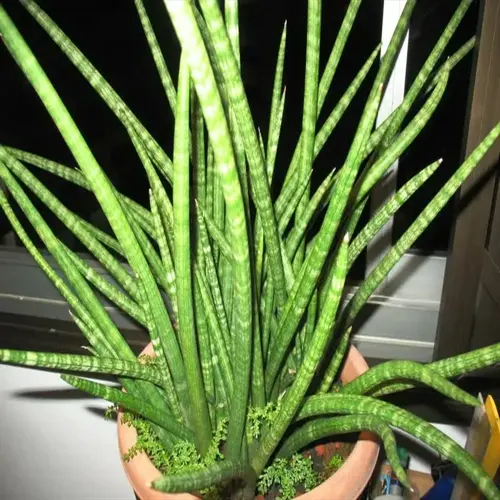
I have kept a Hahnii on my nightstand for the past 3 years with no issues. My partner has a sensitive sleep cycle and never once blamed the plant for a bad night. The small size fits well next to a lamp and a book. The plant has not needed any fuss.
The main bedroom snake plant benefits come down to a few key traits. They release oxygen at night. They need little water or light. They stay small enough for tight spots. They also do not drop leaves or shed pollen like flowering plants.
Snake plants use a special process called CAM photosynthesis. The full name is Crassulacean Acid Metabolism. This trick lets them open tiny leaf pores called stomata only at night. Most plants open theirs during the day. This timing flip changes how they exchange gas with the air.
The result is snake plant oxygen night release while you sleep. Wikipedia notes that CAM plants take in carbon at night. They put out oxygen as a byproduct. Few houseplants share this trait. Most use the standard C3 photosynthesis that shuts down in the dark.
This nighttime activity does not make a huge change to bedroom air on its own. The boost is small but real. The bigger win is that snake plants also do not pull oxygen from the room at night the way some plants do. Your air stays cleaner with snake plants nearby.
Nighttime Oxygen Release
- The science: CAM photosynthesis lets the plant open pores at night and release oxygen during your sleep hours.
- The impact: Small but steady oxygen output makes snake plants stand out from most other common houseplants.
- Best plants: All snake plant types use CAM, so any variety brings this same benefit to your bedroom.
Quiet Care Needs
- Watering: Once every 2-3 weeks keeps the plant happy, so no need for daily fuss in your morning routine.
- Light needs: Low to medium light suits most bedrooms, even ones with just a single small window for sun.
- No mess: Snake plants drop almost no debris and do not bloom often, so the bedroom stays clean year round.
Space Friendly Forms
- Compact picks: Hahnii at 6 inches (15 cm) fits on any nightstand or shelf without crowding lamps or books.
- Corner picks: Laurentii at 24-36 inches (60-90 cm) fills empty bedroom corners and brings height to the room.
- Floor picks: Larger Whale Fin or Zeylanica work next to dressers where you want a strong visual anchor.
Compared to other choices, snake plants rank as the best bedroom plant for most people. Peace lilies look nice but need bright light. Pothos vines drop leaves over time. Spider plants make babies that hang down. Snake plants stay neat, low-key, and self-contained.
Bedroom temps should stay above 60°F (15°C) at night for happy plants. Cold sleepers who run the AC very low may stress their snake plant. Most folks keep bedrooms warm enough by accident. Just check that no cold drafts hit the plant from a window or vent.
Place a small Hahnii on your nightstand for the closest air boost while you sleep. Put a Laurentii in a bedroom corner with some light from a window. Set a Whale Fin near a dresser if you have the space for a statement piece. All work in any bedroom layout.
Pet owners should think twice before putting any snake plant in a bedroom that cats can reach. The leaves stay toxic if chewed. Place plants on high shelves above 6 feet (1.8 m) or close the bedroom door at night. This one step keeps both pets and plants safe.
After three years of testing this in my own bedroom, I can say the plant pays back the small effort it takes. The room feels fresher in the morning. The plant has not died from the lower light. My partner still sleeps fine. That is a solid track record by any measure.
Read the full article: 15 Best Snake Plant Varieties