
Whether yellow leaves turn green again depends on one thing: how much green pigment the leaf still holds. A leaf that has gone pale but keeps faint green tissue can often recover once you fix the cause. A leaf that has turned fully yellow or brown has already spent its pigment, and that one will not come back.
The pigment in question is chlorophyll, and the yellowing itself is called chlorosis. Chlorophyll is what makes a leaf green and lets it turn sunlight into food. When a plant loses it, the leaf fades from the inside out. A slightly pale leaf still has working cells that can rebuild that pigment. A leaf that has collapsed to full yellow has no working tissue left to repair.
So the goal is to catch the problem early and regreen yellow leaves before they cross that line. The cause matters as much as the timing here. Some kinds of yellowing reverse with a simple fix, and others mark a leaf that is already finished.
A few common cases bounce back well. Here is how the most frequent ones tend to play out.
Nitrogen Hunger
- The sign: Older, lower leaves fade to pale yellow first while new growth stays green.
- The fix: Feed a balanced fertilizer and the partly green leaves often deepen back to green within a week or two.
- The catch: Leaves already fully yellow stay that way, so judge by the ones still holding color.
Iron Chlorosis
- The sign: New leaves turn yellow between green veins, giving a striped look.
- The fix: Iron is usually present but locked by high soil pH, so lowering pH frees it and color returns to recent growth.
- The catch: It can take 2 to 4 weeks before you see green creep back into affected leaves.
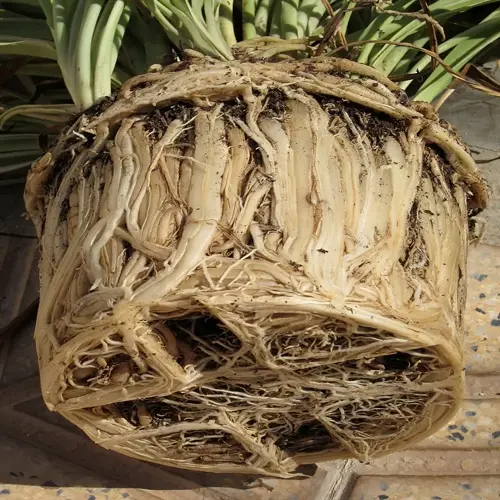
Root Rot Or Old Age
- The sign: Whole leaves turn yellow at once, often soft or droopy, with no green left.
- The fix: None for the leaf itself. The tissue is dead and cannot rebuild pigment.
- The catch: Cut your losses, fix the roots or accept the natural drop, and let the plant move on.
Notice the pattern. A nitrogen or iron leaf caught early greens up once you correct the deficiency or the soil pH. A leaf lost to root rot or simple old age stays yellow no matter what you do. The first is a cry for help you can answer. The second is the plant letting go of a part it no longer needs.
Your job comes in two parts. First, fix the underlying cause, not the leaf. Check watering, feeding, light, and soil drainage, since the yellow leaf is only the symptom. Once the root problem is solved, the plant can pour its energy into the leaves that still have a chance.
Second, give it time and watch the new growth. Healthy new leaves coming in green is the real sign of recovery. That matters more than any single old leaf turning around. Most plants need a couple of weeks of good care before you see that turn. Patience here saves you from overreacting and changing the care routine again too soon.
Try not to chase a few yellow leaves with constant fixes. Many people pile on water or fertilizer the moment they see yellow, and that often makes things worse. Pick the most likely cause, make one change, and wait. A plant cannot answer two different fixes at once, so give each one room to show a result.
After that, you can remove yellow leaves that never recovered. A fully yellow leaf makes no food for the plant. The plant still spends water and nutrients to keep it attached, which is wasted effort. Snip those leaves off at the base with clean scissors. You free up resources for the green growth, and the whole plant looks far better for it.
So the short answer holds. Pale, partly green leaves can come back once you fix the real cause and give them time. Fully yellow or dead leaves will not, so trim them and let the plant focus on fresh, green growth.
Read the full article: Yellow Leaves on Plants: Causes and Fixes