Ornamental · Fabaceae
Hyacinth Bean
Lablab purpureus
Give it heat, full sun, and a tall trellis, and hyacinth bean throws purple flowers and glossy pods clear into fall.
Full sun
Every 5–7 days
50–95°F · 10–35°C
90–120 days
Overview
Hyacinth bean is the vine to reach for when a plain fence or arbor calls for drama, a fast climber that carries spikes of purple or white flowers followed by glossy reddish-purple pods that hold their color to frost. It sits in the pea and bean family, and while warm climates keep it going for years, most gardens welcome it as a summer annual started from seed. Set against a tall trellis, it rises well past head height in one season, turning a bare vertical into the anchor of a border.
This is a plant grown for effect, and it shapes a space as much as it fills one. The pods read as ornamental as the flowers, and few climbers dress an arbor, a pergola, or a boundary fence as quickly, giving a young garden instant structure. Because it revels in heat, it holds the scene together through the dog days, keeping a courtyard or patio in color when other climbers fade.
One detail belongs in the planning, especially where the vine frames a place people gather. The raw mature seeds and pods carry cyanogenic compounds and are toxic eaten raw, safe only after thorough cooking, so it works best as a feature to admire rather than a crop to harvest near the table.
Care
The short version: a sun-filled, sheltered spot with real warmth, light well-drained soil kept evenly moist while it settles, a balanced feed used sparingly on nitrogen, and a sturdy trellis or arbor built to carry its fast, heavy rise.
Light
Give hyacinth bean full sun, ideally 6 or more hours a day, and it flowers freely and holds the pod color that carries a scheme. A little afternoon shade is fine, though heavier shade trades bloom for leggy growth that loses the effect.
Water
Keep the soil evenly moist while the vine settles into its spot, then ease off, since an established plant handles some drought. Water deeply through hot, dry spells, and favor light, well-drained ground over anything that stays soggy.
Soil
Average, fertile, well-drained loam is all it asks, at a pH of 6.0 to 7.5. It is undemanding about richness, so good drainage matters far more than a heavily fed bed.
Temperature
A warmth lover at heart, it performs between 50°F and 95°F (10°C to 35°C) and slows once the air turns cool. Frost ends it, so it takes its place outdoors only after the cold has left for the season.
Humidity
Ordinary outdoor humidity suits it, so there is no level to manage. Good airflow matters more, since a crowded, damp canopy invites leaf spot that dulls the look.
Feeding
A balanced fertilizer once a month through summer keeps it in form. As a legume it fixes its own nitrogen, so keep high-nitrogen feeds light, since they push leaf over the flowers that make the display.
Pruning
Pinch the growing tips early to coax a fuller, branching shape, and little cutting follows. Remove spent pods to keep the bloom going, then cut the frost-killed vine back once the season closes.
Repotting
not typically grown in containers; grown as an annual from seed each year
Size & spacing
Plan for a climber of 10 to 20 feet (3 to 6 m) with a spread of 3 to 6 feet (91 to 183 cm), and give it a sturdy trellis or arbor with room to rise so the frame carries its weight and shapes the space.
When to plant
Hyacinth bean keeps to the warm half of the year and bows out at the first frost, so its season shapes the display. Sow outdoors only once the cold has passed and the soil has warmed, or start it indoors 6 to 8 weeks ahead to stretch the show, and it flowers from summer through to fall frost.
Northern hemisphere
Southern hemisphere
Typical months for a temperate climate: start earlier in warm zones, later where spring frosts linger.
- Sow: 6 to 8 weeks before the last spring frost
- Plant: after danger of frost has passed and soil is warm
- Harvest: summer to frost (roughly June until first fall frost)
Hardiness
USDA hardiness zones: 10–11
Temperature: down to -1°C
Troubleshooting
Hyacinth bean is an easygoing vine that keeps its composure through most of a season, with pests, not disease, behind the occasional flaw. Glance over the leaves and new growth for the early signs below, and a small correction now keeps the display looking its best.
Leaves fading and flecked in the summer heat
A long hot, dry spell can bring spider mites, which fleck the leaves with pale points and dull the green. Tap a leaf over white paper and the specks reveal themselves in motion, with the faintest webbing beneath. A thorough rinse of the vine unsettles them and lifts the humidity, and insecticidal soap or horticultural oil closes the matter if any remain.
Fix:
- Hose down foliage to dislodge mites and raise humidity
- Apply insecticidal soap or horticultural oil if infestation persists
A reluctant, short display when the season stays cool
Hyacinth bean is a creature of warmth, so cool weather leaves it holding back, with short vines and a sparse display where you hoped for abundance. The same reluctance follows seedlings set out before the soil has warmed and frost has cleared. Wait for warm ground and give it a sheltered, sun-filled corner, and the vine finds its stride once the temperatures rise.
Fix:
- Wait to plant until soil is warm and frost danger has passed
- Provide a full-sun, sheltered, warm site
Foliage worked into a lacy, open filigree
When the leaves take on a lacy, worked-through look, Japanese beetles are the culprit, arriving in summer as clusters of metallic green-and-copper visitors settle over the vine. They graze the tissue between the veins and leave that open filigree behind. Lift them off by hand in the quiet of early morning, and let a little damage pass, since a vine this fast refreshes its cover before the eye notices.
Fix:
- Hand-pick beetles in early morning and drop them into soapy water
- Tolerate light damage, since vines push out fresh foliage and survive well
New growth curling and glossy with residue
New shoots and buds that pucker and turn glossy underneath are the mark of aphids, an ordinary summer nuisance. Turn a young leaf to find the small green or black colonies and the honeydew sheen they leave. A firm rinse of water sends most on their way, and insecticidal soap steps in when a colony overstays its welcome.
Fix:
- Spray colonies off with a strong jet of water
- Apply insecticidal soap to heavy infestations
Dark spotting that dulls the leaf canvas
Rounded brown spots that widen through wet, humid weather are usually fungal leaf spot, and they mute the clean look of the canopy. Early on the marks stay circular, then merge as more leaves are touched. Take away the worst leaves, direct water to the base rather than over the top, and give the vine breathing room so the foliage dries between waterings.
Fix:
- Remove and discard badly affected leaves
- Improve air circulation and avoid overhead watering
Toxicity
Where this vine frames a gathering place, treat the colorful pods as decoration rather than food. The raw mature seeds and pods hold cyanogenic glycosides that are toxic to people and animals alike, and only thorough cooking makes the young pods safe. Keep the glossy pods and seeds away from children, pets, and grazing animals.
Toxic to
Cats · Dogs · Horses · Rabbits · Livestock · Birds
Safe for
People
Cats Caution
Should a cat chew the raw seeds or pods, the cyanogenic compounds can bring drooling, vomiting, and a sore stomach, so keep those glossy pods well beyond the reach of a wandering cat.
Dogs Caution
Dogs are the household members most drawn to the bright pods, and raw beans can leave one queasy, retching, and low in spirits, so gather any dropped pods from wherever a curious dog roams.
Horses Caution
The same cyanide-releasing compounds in the raw beans and foliage can leave a horse weak, laboring for breath, and off its feed, so keep the vine clear of the ground where horses graze.
Rabbits Caution
Raw seeds and pods make poor browse for a rabbit and can bring on digestive trouble and lethargy, so trimmings from the vine are best kept away from them entirely.
Livestock Caution
Cattle, goats, and sheep can take in enough cyanide from a large helping of raw beans to stagger, breathe hard, and, at worst, collapse, so keep grazing stock off any planting gone to pod.
Birds Caution
Pet and backyard birds are better left away from the raw mature seeds, which carry the same cyanogenic glycosides, so offer only feed of known safety.
People Young cooked pods safe
There is a place for it at the table: young pods are enjoyed in many countries once cooked all the way through. The raw mature beans are another matter and must be boiled in several changes of water before eating, since raw they release cyanide that can cause nausea, dizziness, and worse. Never eat the raw beans or pods.
Keep the colorful pods and seeds away from children and curious pets; never eat raw mature beans or pods. Only thoroughly cooked beans are safe.
Helpline numbers

United States
ASPCA Animal Poison Control: (888) 426-4435 (fee applies)
Poison Control: (800) 222-1222



Canada
Poison Centres: 1-844-764-7669
Varieties
A few named forms circulate in gardens, set apart chiefly by the color they bring to a planting. These two are the ones to know when choosing a palette.
Ruby Moon
The ornamental form seen most often, prized for deep purple stems and glossy reddish-purple flat pods that anchor the color scheme all season.
Alba (white-flowered form)
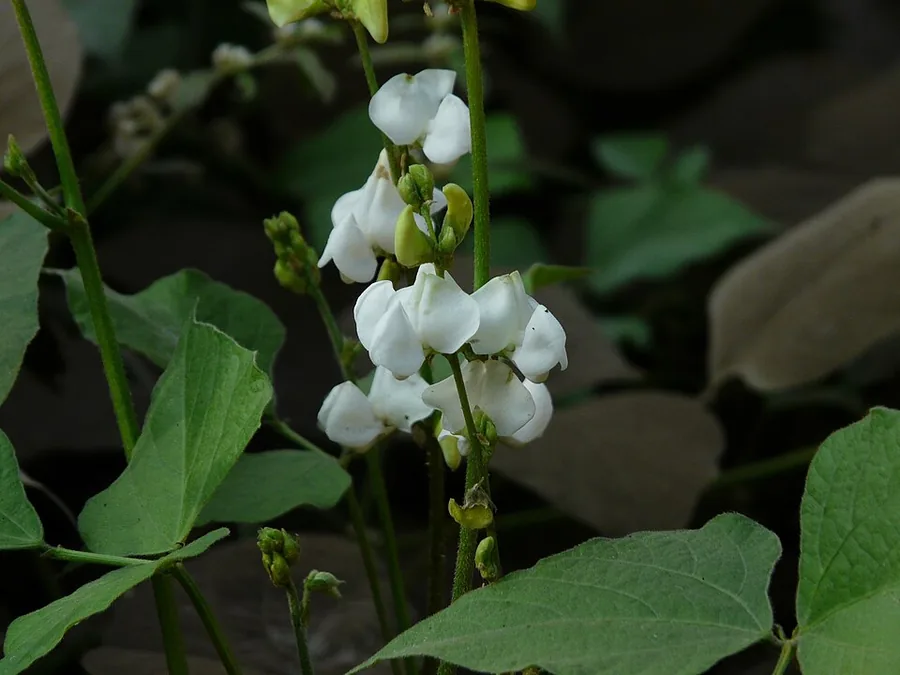
A quieter, white-flowered and white-seeded form with plain green pods, a softer choice that steps away from the purple of the usual type.
How to propagate
Hyacinth bean starts from seed, and it rises fast and climbs faster, so a single packet dresses a good length of trellis within one warm season.
SeedEasy
Sow outdoors after frost when soil is warm, or start indoors 6 to 8 weeks before the last frost. · Germinates in roughly 1 to 3 weeks; grows rapidly to cover a trellis in a single season
Hyacinth bean begins from seed each year, sown outdoors after frost once the soil is warm or started indoors 6 to 8 weeks before the last frost. Soaking or nicking the hard seed coat quickens the 1 to 3 week germination, and from there the vine climbs a trellis within a single season. Settle a sturdy trellis or arbor into the setting before growth accelerates, and save seed in fall to bring the display back next spring.
Myths
Since it is a bean, the pods and seeds can be eaten raw off the vine.
It looks the part, yet the raw mature seeds and pods carry cyanogenic glycosides and are toxic eaten raw. Mature beans are safe only after thorough cooking, boiled in several changes of water, and across the US the plant earns its keep as a decorative feature rather than a crop.