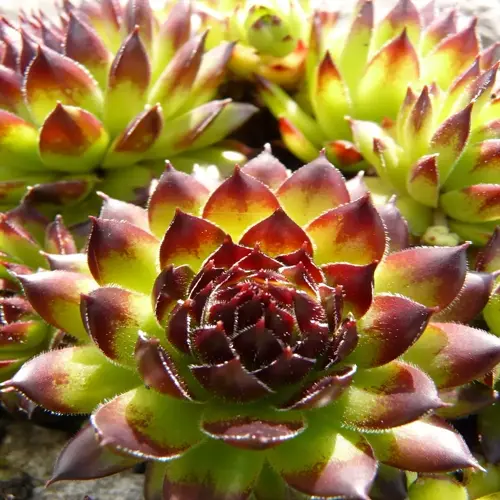

Neither berry wins outright. The honest answer to elderberries vs blueberries is that they shine in different ways. Say you are picking one bush for the garden to boost your diet. Both pack anthocyanins, the deep pigments behind their color. So you get strong antioxidant value either way. The right pick depends on how you plan to eat them. It also depends on what you want from them.
Start with the one rule that changes everything. Blueberries you can eat raw, straight off the bush by the handful. Elderberries you must cook first, since the raw fruit, stems, and leaves hold compounds that can upset your stomach. That single fact shapes how each berry fits your kitchen and your day. It also means blueberries fit a busy schedule with no prep at all. Elderberries ask for a little planning before they reach your plate.
The case for elderberry antioxidants is a strong one. The cooked fruit carries flavonoids and a good dose of vitamin C. It also brings some vitamin A and iron. Blueberries hold those last two in smaller amounts. Elderberries have a long use for cold-duration support too. A few small studies show shorter symptoms when people take the syrup early. Blueberries have not been tested for that same effect. So this is one clear gap between them. It is the main reason people grow elderberry on purpose.
Blueberries answer back with ease of use and their own research record. You rinse them and eat them. No pot or strainer needed. They bring fiber, vitamin C, vitamin K, and manganese. They also have a well-studied link to heart and brain health. Few foods get the daily-snack treatment that fresh blueberries do. For a fair berry nutrition comparison, here is how the two line up side by side.
Both fruits earn their antioxidant name through those same anthocyanins. Cooking elderberries does not wipe out their value. Heat is what makes the fruit safe to eat in the first place. You lose a little vitamin C in the pot. But you keep most of the flavonoids and iron. So the cooking step is a trade, not a deal breaker. It opens the door to syrups, jams, and warm teas. Blueberries skip that step and go straight to the bowl. That makes each berry better at a different job.
Here is how to put both to work without ranking one as the true champion. Eat blueberries fresh for daily snacking, smoothies, and oatmeal. They ask nothing of you beyond a quick rinse. Cook elderberries into syrup or jam when you want their iron, vitamin A, and that cold-season support. A simmer of berries, water, and a little honey gives you a syrup. It keeps for days in the fridge. You can also freeze the berries first and cook them later. That way one fall harvest stretches well into winter.
Never eat raw elderberries, stems, or leaves. Always simmer the ripe berries for about 15 to 20 minutes before you use them in any recipe.
So treat the elderberries vs blueberries choice with care. Skip the idea of a single healthiest berry. Let your routine decide instead. Keep blueberries on hand for the fast, raw wins you reach for every morning. Reach for cooked elderberries when you want their specific nutrients and their long history of cold-season use. Grow both if you have the room. Then you cover two different needs from one small corner of the garden.
Read the full article: Elderberry Plant Guide: Grow, Harvest, Use