
Introduction
The garden you walk past at noon hides a second life. As the sun drops, a whole set of night blooming flowers unfurls pale petals, lets loose a sweet scent, and waits for visitors most gardeners never see. These plants open in the late evening and close again before noon the next day, so the show happens while you sleep.
I stood by my back fence one July night and watched a moonflower vine swell open in real time. The daytime flowers a few feet away had already folded up and gone quiet, and the bees had headed home. A moon garden does the opposite. Its blooms crack open as the light fades, and the air fills with perfume meant to carry across the dark yard.
Most of these flowers stay pale or white flowers for a reason. Light petals catch the moon and glow, which helps nocturnal pollinators find them from far off. Moths and bats do the work that bees handle by day, and some of them follow a scent trail for hundreds of yards just to reach a single bloom.
Plenty of guides hand you the same list of plant names and stop there. This one pairs that roundup with sourced answers, so you learn why these flowers wait for dark and which creatures they feed. You'll get the best fragrant night flowers to plant, the science behind their timing, and a simple plan for your own glowing evening garden.
12 Best Night Blooming Flowers
Last summer my dead-looking back fence turned into a glowing white wall of moonflowers you could see from the screened porch. In my Zone 7 yard that dark corner had sat bare for years, doing nothing after dark but swallowing the light.
It took three springs of growing them from seed to get there. I planted the first batch too late, and the vines reached only the second rail. The next year the frost beat the buds. By the third year they ran the whole fence and lit up at dusk like someone flipped a switch.
That one moonflower vine sold me on a whole evening garden. The 12 plants below are the well-loved picks you will see on almost every list. But here you get a real fact or pollinator note for each one, not the same scent praise over and over.
Two names trip people up. Moonflower can mean the climbing Ipomoea alba vine, or it can mean the bushy Datura. Queen of the night can point to an Epiphyllum or a Selenicereus cactus. Read the scientific name on the tag so you bring home the right plant.
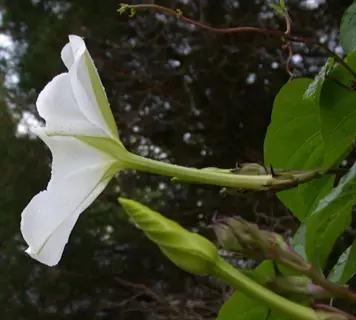
Moonflower (Ipomoea alba)
- Bloom habit: A fast climbing vine whose large white trumpets unfurl at dusk and stay open through the night, closing by mid morning.
- Scent: Releases a sweet, lemony fragrance after dark that carries well across a patio or along a fence.
- Pollinators: Pale petals reflect moonlight and draw in night flying moths searching with low light vision.
- Light and soil: Wants full sun during the day and warm, well drained soil, despite blooming only after the sun sets.
- Size: Vigorous vines climb 10 to 15 feet (3 to 4.5 m) in a single warm season on a trellis or fence.
- Good to know: Easy to grow from seed but the seeds are toxic if eaten, so keep them away from children and pets.

Evening Primrose (Oenothera)
- Bloom habit: Cup shaped yellow or pink blooms pop open in the evening, sometimes fast enough to watch in real time.
- Scent: Carries a soft, sweet fragrance that builds as the light fades and attracts dusk feeding moths.
- Pollinators: A favorite of hawkmoths, whose long tongues reach the nectar deep inside each flower.
- Light and soil: Thrives in full sun and tolerates poor, dry soil, making it a low fuss choice for tough spots.
- Size: Forms clumps that range from low growing types to upright stems near 3 feet (90 cm) tall.
- Good to know: Self seeds freely, so give it room or deadhead spent blooms to keep it in bounds.
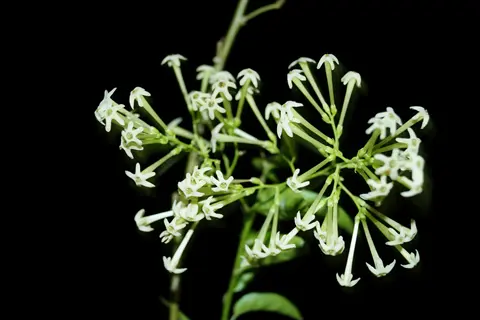
Night Blooming Jasmine (Cestrum nocturnum)
- Bloom habit: Small, tubular greenish white flowers open after sunset and release scent in waves through the night.
- Scent: One of the most powerfully fragrant night flowers, with perfume strong enough to fill a whole yard.
- Pollinators: The intense after dark scent guides moths in, even though the blooms themselves are tiny.
- Light and soil: Prefers full sun to part shade and rich, moist, well drained soil in warm climates.
- Size: A shrub reaching 8 to 10 feet (2.4 to 3 m) where winters stay mild, or grown in a pot elsewhere.
- Good to know: It can be invasive in humid regions, so check local guidance before planting it in the ground.
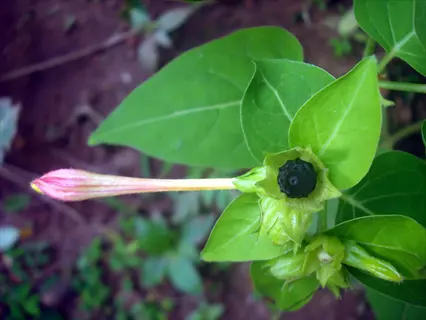
Four O'Clocks (Mirabilis jalapa)
- Bloom habit: Trumpet flowers open in late afternoon, hence the name, and stay open through the night.
- Scent: Sweet, lightly perfumed blooms that perfume the evening air around a porch or path.
- Pollinators: Long throated flowers suit hawkmoths, and one plant can carry several flower colors at once.
- Light and soil: Easygoing in full sun to part shade and average soil, thriving even in summer heat.
- Size: Bushy plants grow 2 to 3 feet (60 to 90 cm) tall and wide in a single season.
- Good to know: The seeds are toxic if eaten, so site this old fashioned favorite with care around pets.
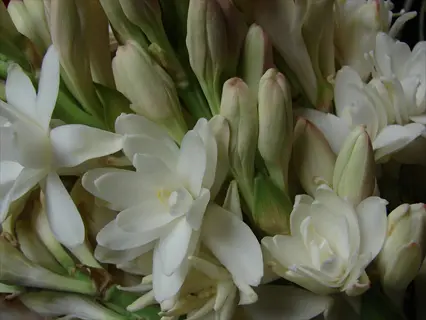
Tuberose (Polianthes / Agave amica)
- Bloom habit: Tall spikes of waxy white florets open from the bottom up over several evenings.
- Scent: A rich, heady perfume that is among the most prized of all fragrant night blooming flowers.
- Pollinators: The deep, sweet scent and pale petals draw in night flying moths after dusk.
- Light and soil: Wants full sun and fertile, well drained soil, plus warmth to push up its flower spikes.
- Size: Flower stalks rise 2 to 3 feet (60 to 90 cm) above a clump of grassy foliage.
- Good to know: Lift the bulbs in cold climates and store them over winter, then replant in spring.
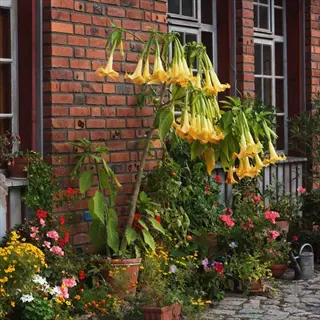
Angel's Trumpet (Brugmansia)
- Bloom habit: Huge pendant, trumpet shaped flowers hang downward and release their strongest scent at night.
- Scent: A sweet, citrus tinged perfume pours out after dark and can scent an entire courtyard.
- Pollinators: The large pale trumpets and copious nectar are a classic match for big night flying moths.
- Light and soil: Likes full sun to part shade and rich, moist soil, often grown as a container shrub.
- Size: Can reach 6 to 10 feet (1.8 to 3 m) tall as a shrub or small tree in warm regions.
- Good to know: Every part of the plant is highly toxic, so keep it well away from children and pets.
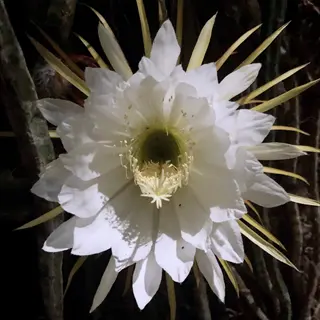
Night Blooming Cereus
- Bloom habit: A dramatic cactus whose huge flowers open for a single night before fading by morning.
- Scent: Strongly fragrant blooms perfume the air for the one night they are open.
- Pollinators: The genus name comes from the Greek word for moon, and the flowers attract bats, bees, and moths.
- Light and soil: Grown as a houseplant or in warm gardens in bright light and fast draining soil.
- Size: Flowers can stretch up to 14 inches (36 cm) long, making each bloom a true event to catch.
- Good to know: Watching the one night bloom open is a beloved ritual, so check buds at dusk in late spring to early summer.
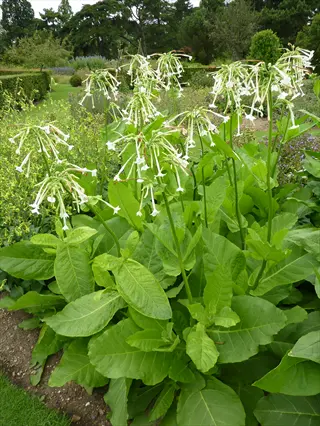
Flowering Tobacco (Nicotiana alata)
- Bloom habit: Star shaped flowers that often stay closed in heat and open wide in the cool of evening.
- Scent: A jasmine like sweetness that grows stronger after dusk and floats across the garden.
- Pollinators: Long, tubular flowers are built for moths with long tongues that hover as they feed.
- Light and soil: Grows in full sun to part shade in moist, fertile soil and blooms all summer.
- Size: Depending on variety, plants stand from 1 to 4 feet (30 to 120 cm) tall.
- Good to know: Choose fragrant heirloom types, since some modern bedding strains trade scent for daytime color.
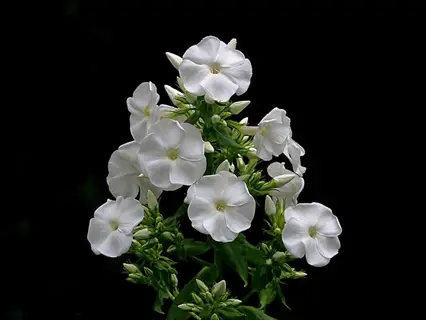
Night Phlox (Zaluzianskya)
- Bloom habit: Tiny flowers that look closed and maroon by day, then open white and flat at night.
- Scent: Nicknamed midnight candy for a scent blending vanilla, almond, and honey after dark.
- Pollinators: The sweet evening perfume and pale open faces draw small night flying moths.
- Light and soil: Likes full sun and well drained soil, and does well in pots near a seating area.
- Size: A compact, mounding plant around 8 to 12 inches (20 to 30 cm) tall.
- Good to know: Plant it close to a path or porch so the remarkable fragrance is easy to enjoy.
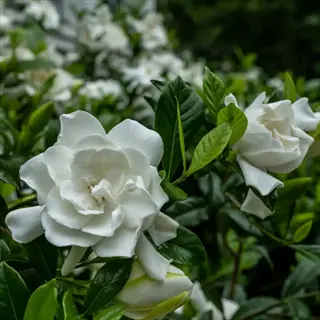
Gardenia
- Bloom habit: Glossy leaved shrub with creamy white flowers whose perfume deepens in the evening.
- Scent: A rich, classic fragrance that many gardeners rank among the finest of any flower.
- Pollinators: Pale, fragrant blooms appeal to dusk and night active pollinators in warm climates.
- Light and soil: Wants part shade, acidic soil, and steady moisture, rewarding attentive care.
- Size: Most garden types grow 3 to 6 feet (0.9 to 1.8 m) tall and wide.
- Good to know: In cold regions grow it in a container and bring it indoors before frost arrives.
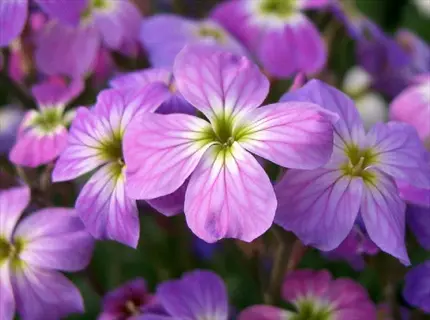
Night Scented Stock (Matthiola longipetala)
- Bloom habit: Plain looking by day with small flowers that open and perfume the air once evening comes.
- Scent: A clove like sweetness that punches well above the modest size of the blooms.
- Pollinators: The strong evening scent guides in moths despite the flowers being easy to overlook.
- Light and soil: An easy annual for full sun and average, well drained soil, quick to grow from seed.
- Size: Low, wispy plants reach about 12 to 18 inches (30 to 45 cm) tall.
- Good to know: Tuck seeds among showier flowers so you get the fragrance without the plain daytime look.
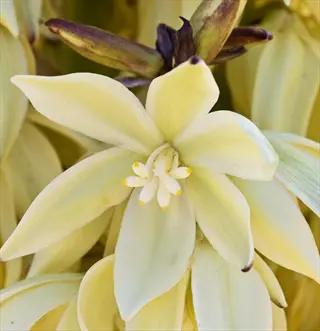
Yucca
- Bloom habit: Tall spikes of bell shaped white flowers rise above sword like leaves and open in the evening.
- Scent: Lightly fragrant blooms that release more scent at night to call in their pollinator.
- Pollinators: Each yucca depends on the yucca moth, its sole pollinator, in a tight mutual partnership (USFWS).
- Light and soil: Thrives in full sun and dry, sandy, well drained soil and tolerates drought with ease.
- Size: Flower spikes can tower several feet above the foliage clump, depending on species.
- Good to know: A tough, architectural plant that adds bold pale form to a moonlit border.
Start with a few easy growers and build from there. Moonflower, evening primrose, and four o'clocks all sprout fast from seed. Night blooming jasmine and tuberose ask for more patience, but they pay you back with stronger scent. The night blooming cereus and angel's trumpet are the showstoppers you check on at dusk. A cereus flower opens for one night only and can reach 14 inches (36 cm) long.
Several night bloomers are beautiful but toxic. Angel's trumpet is poisonous in every part, and moonflower and four o'clock seeds are harmful if eaten, so place them well away from children and pets.
Why Flowers Bloom at Night
The question of why flowers bloom at night has a clear answer, and it comes down to three problems each plant needs to solve. As you walk your garden after dusk, you are looking at blooms that face heat, crowding, and the struggle to get noticed by a pollinator. Opening after dark fixes all three at once.
The biggest reason is the pollinator. Nocturnal pollinators like moths and bats feed after dark. So a flower that opens at night gets these night fliers all to itself. The Desert Botanical Garden calls this the main driver. Many desert cactus plants time their blooms to match the bats and moths they need.
Heat is the second problem. A flower that opens in full afternoon sun risks wilting before a pollinator ever shows up. Plants in hot, dry climates dodge this by keeping their petals shut through the worst of the day. When you grow them, you will notice the cool night air protects the delicate blooms and helps them hold their scent far longer.
The third reason is competition. Day blooms already crowd the market for bees and butterflies, so a plant that flowers at noon has to fight for attention. By opening after dusk, flowers that open at night sidestep that rush. The plants in your bed serve a separate shift of pollinators with almost no rivals working the same hours.
Color ties the whole strategy together. Most night bloomers are white flowers or pale shades, not bright reds or oranges, and that is no accident. Moths search for blooms using low light vision, and pale petals reflect moonlight so they stand out in the dark. The U.S. Fish & Wildlife Service notes that moths spot these glowing petals from a distance. That is why your moon garden looks so soft and silvery once the light fades.
Most of these cactus species bloom at night because they rely on nocturnal pollinators, including bats. This strategy helps protect their delicate, showy flowers from the intensity of daytime heat. Night bloomers also avoid competing with plants that flower during the day.
Moths and Bats After Dark
You probably credit bees for the food on your plate. After dark, a different crew takes over, and the real heroes are moths. A 2023 study in PLOS ONE tracked 10 UK sites and found that 98% of nighttime flower visits came from moths, not bees or beetles.
Here is the part that surprised the researchers. Pollen landing on bramble flowers was higher at night than during the day, even though most visits happened in daylight. Moths drop more pollen per stop, so fewer visits still get the job done. They are quiet, fuzzy, and far better at this than they get credit for.
Numbers back up how big this group is. The United States alone holds about 11,000 moth species, according to the U.S. Fish and Wildlife Service. Your best workers are the hawkmoths, which hover like tiny hummingbirds and unroll long tongues to reach deep into tubular blooms. Evening primrose and flowering tobacco in your beds both depend on them.
A few moths take loyalty to an extreme. The yucca moth is the only insect that pollinates a yucca. In return, the plant feeds the moth's young. Break that bond and both partners are in trouble. So when you plant for night visitors, you support a chain of life, not just one bloom. This is why nocturnal pollinators matter far beyond your garden bed.
No relationship was detected between pollen counts and flower visitation rates, suggesting that moths are more efficient pollinators of bramble compared with diurnal insects.
Warm regions get a second specialist. Bat pollination keeps more than 300 fruit species going, including bananas and mangoes, per the US Forest Service. A single Mexican long-nose bat may hit up to 30 flowers in one night, and these bats fly over 1,000 miles north each spring to follow the blooms. Agave and saguaro would struggle without them.
There is a hard truth under all this beauty. Bats and moths face real pressure, and UK macro moths fell about 33% between 1968 and 2017. A moon garden does more than smell sweet at night. Plant pale, fragrant blooms and you hand this quiet night shift the fuel it needs to keep working.
Designing a Moon Garden
From my screened porch at dusk, I watch a wall of white moonflowers glow like a low lamp against the dark back fence. My Zone 7 yard behind it falls into shadow, but those pale petals hold the last light and keep shining after the sun is gone.
That glow is the whole point of a moon garden, and it runs on simple science. Moths search for blooms by moonlight using low-light vision. They head for white flowers and pale petals that reflect light and stand out from far away. The U.S. Fish and Wildlife Service describes this same pull. So every pale flower you plant works as a beacon for a moth and a soft light for your eyes.
Silver foliage does the same job between the blooms. Gray, silvery, and glossy leaves bounce light back. SDSU Extension notes this helps the moonlight reflection carry across the whole bed even after the flowers fade. Lamb's ear and dusty miller fill the gaps with a soft shimmer. So your evening garden never goes flat or dark in spots.
Scent does the heavy lifting once the light fades. Put your most fragrant plants where you sit and walk. That same evening perfume is the signal moths track for hundreds of yards. Night flowers also keep their own clock. They open in late evening and close before noon. Plan to enjoy them at dusk, not at breakfast.
White and pale blooms
- Why it works: White and pale petals reflect moonlight, so the flowers glow softly and stay visible long after sunset.
- Pollinator link: The same brightness that catches your eye helps moths spot the flowers from a distance in low light.
- Try these: Moonflower, white tobacco, night phlox, and gardenia all give that luminous evening effect.
Silver and shiny foliage
- Why it works: Silver, gray, and glossy leaves bounce moonlight back, adding shimmer even where flowers have faded.
- Pollinator link: Reflective foliage helps light up the planting so the whole bed reads clearly after dark.
- Try these: Lamb's ear, dusty miller, and artemisia add a soft glow between the white flowers.
Fragrance near seating and paths
- Why it works: Scent is the main draw of a night garden, so place the most fragrant plants where you will sit or walk.
- Pollinator link: The same evening fragrance that relaxes you is the signal moths follow for hundreds of yards.
- Try these: Night blooming jasmine, tuberose, and night scented stock near a porch fill the air after dusk.
Reflective hardscape and soft light
- Why it works: Light stones, pale paths, and a small water feature catch and spread moonlight across the garden.
- Pollinator link: Keep added lighting soft and low, since bright artificial light pulls moths away from the flowers.
- Try these: A pale gravel path, a few light colored rocks, and a quiet bench for evening viewing.
One last factor shapes how well the bed works at night, and it has nothing to do with the plants. Too much artificial light draws moths away from your flowers. So keep evening lighting soft and low. Pull any bright outdoor fixtures down near the garden. Tame the light pollution and your pale blooms read clearly. The moths come back, and the porch view stays calm and dim the way a moon garden should be.
Bright floodlights work against a moon garden. Strong artificial light draws moths away from your flowers and washes out the soft glow, so keep evening lighting low, warm, and minimal.
Fragrance and Flower Meanings
The scent is the first thing people notice, and there is a reason it hits so hard. Many night bloomers grow more fragrant late into the night, becoming the strongest smelling plants in the whole garden. That perfume is not for you. It is bait for moths, who can travel over 900 yards (820 m) following the scent to find the flower in the dark.
I set an alarm for 11 p.m. the first time my cereus showed a fat bud, and the single flower was already wilting by sunrise. That one night taught me the meaning of night blooming flowers better than any book. These fragrant night flowers trade on mystery and a beauty you only catch for a few hours. The single bloom of the night blooming cereus is the clearest example, which is why the queen of the night meaning leans so hard on rare, short lived wonder.
Flower symbolism like this is folklore, not a rulebook, so treat it as the fun part. The same goes for any talk of calming flowers. Sitting in a fragrant evening garden does help most people feel more relaxed, but a flower is not a cure for stress or anxiety. The chart below sorts the scent, the symbolism, and the calm so you know what is real and what is just a lovely story.
Why night flowers smell so strong
- The science: Many night bloomers ramp up fragrance after dark, becoming the most strongly scented flowers in the garden.
- The reach: Moths can travel over 900 yards (820 m) following the scent of night blooming flowers (SDSU Extension).
- The takeaway: That powerful perfume is a survival tool, built to guide pollinators in across long, dark distances.
What night flowers symbolize
- Common meaning: Night blooming flowers often stand for mystery, hidden beauty, and the fleeting nature of special moments.
- Queen of the Night: The single night bloom of night blooming cereus makes it a symbol of rare, short lived beauty.
- How to use it: These meanings are folklore and tradition, lovely for gifts or themes, rather than fixed rules.
Flowers, mood, and calm
- What is suggested: Time spent with flowers and gardens is widely linked to a calmer, more relaxed feeling.
- A careful note: Flowers are not a medical treatment for stress or anxiety, so treat any calm benefit as general support.
- How to enjoy it: A quiet seat in a fragrant evening garden is a simple, pleasant way to unwind after a long day.
Folklore and the language of flowers
- Messages of love: In flower language, red roses say I love you, a tradition passed down for generations.
- Remembrance: The small blue forget me not carries a message of remembrance and lasting connection.
- A fun lens: These meanings are cultural trivia, so enjoy them as stories rather than scientific fact.
Planting and Care Tips
My moonflower vines climbed 8 feet up the back fence and pushed out leaves like crazy. But by August I counted maybe 3 blooms the whole month. The vine was lush, green, and almost flowerless against that Zone 7 fence.
The fence sat in afternoon shade. So I dug the vines up and moved them to a spot that got full sun from morning to dusk. Within 3 weeks the same plants opened dozens of white trumpets each evening. Night bloomers still run on daytime light, even though the show happens after dark.
That mix-up trips up most people who want to learn how to grow night blooming flowers. The blooms open after sunset, so it feels right to tuck your plants in a dim corner. But they want bright, all-day light to build the energy for big, scented flowers at night.
Good night flower care also starts in the ground. Your plants want rich, well drained soil that holds moisture but never stays soggy. Soggy roots rot fast, and rotting roots give you weak growth and few buds, so loosen the bed with compost first.
Set your expectations for the bloom clock too. Your night bloomers open in late evening and close before noon the next day, so plan your viewing for dusk. Some flowers go even faster. The night blooming cereus opens once and lasts a single night, then it is done.
These 6 steps cover the care you need across most night bloomers, from moonflower to gardenia.
Most night bloomers, including moonflower, need full sun all day to build the energy for strong evening flowers, so pick a bright spot even though the blooms only open after dark.
Work compost into loose, well drained soil before planting, since soggy ground rots roots while rich, free draining soil supports steady growth and plenty of buds.
Set the most fragrant plants near a porch, path, or seat so you can take in the scent and watch the flowers open as the light fades.
Keep soil evenly moist during the growing season and feed lightly so plants can power the heavy work of producing large, scented blooms.
Remove spent flowers to encourage more blooms, and watch self seeders like evening primrose and spreaders like night jasmine so they stay in bounds.
In cold regions, grow gardenia, cereus, and angel's trumpet in containers and move them indoors before frost, and lift tuberose bulbs to store over winter.
One habit pays off more than the rest. Deadhead your spent flowers as they fade and the plant pours its energy back into fresh buds instead of seeds. This keeps your moonflower and tuberose blooming for weeks longer.
Cold regions do not have to skip the tender stars. Grow your gardenia, cereus, and angel's trumpet in containers so you can move them indoors before the first frost. Pots let you enjoy plants in Zone 6 and below that would die in the ground over winter.
Night blooms are fleeting by design. Flowers open in late evening and close before noon the next day, and night blooming cereus lasts just one night, so check buds at dusk and enjoy each bloom while it lasts.
5 Common Myths
Night blooming flowers do not need any sun because they only open in the dark after the sun has gone down.
They still need daytime light to grow; many night bloomers such as moonflower want full sun all day and simply open their blooms after dark.
All night blooming flowers are pure white, so any colorful flower in the garden cannot be a true night bloomer.
Most are pale to help pollinators, but some night bloomers like four o'clocks and certain water lilies open in pink, red, or yellow as well.
Only bats pollinate night blooming flowers, so moths and other insects play no real part after the sun sets.
Moths do most of the work; in one study 98 percent of nocturnal flower visits were made by moths, with bats important mainly in warmer regions.
Night blooming flowers have no scent because fragrance is only useful to daytime bees that hunt by sight.
Many are the most fragrant flowers in the garden; their scent peaks after dark to guide moths that can follow it for hundreds of yards.
Every night blooming flower stays open for weeks, giving you plenty of chances to catch each bloom at its peak.
Some, like night blooming cereus, open for only one night before fading, which is part of why these flowers feel so special.
Conclusion
A garden does not have to go quiet when the sun drops. Night blooming flowers wake up just as everything else shuts down, filling the dark with scent and pale glowing petals. You now have real picks to plant and the science behind why each one waits for the dark.
Hold onto the few facts that explain the whole show. Your blooms open in the late evening and close before noon the next day, so they save their best hours for after sunset. Their pale petals reflect moonlight like soft beacons, which helps moths find them from far off. And those moths do most of the heavy lifting after dark. One study found 98% of nighttime flower visits came from a single group of macro moths.
Start small and let the easy ones build your confidence. Plant moonflower and evening primrose first. Both smell wonderful and both forgive your beginner mistakes. Give them full daytime sun so they can store up energy. They use that energy to bloom at night. And keep the toxic types like angel's trumpet far away from your children and pets.
Picture your own corner coming alive at dusk. The white blooms catch the last light, the fragrant night flowers pull scent across the yard, and the nocturnal pollinators drift in one by one. A real moon garden is more than a pretty patch after dark. It is a small living system you built, glowing and humming long after the rest of the street has gone to sleep.
Glossary
- Deadheading
- Removing faded or spent flowers from a plant to encourage it to produce more blooms.
- Hawkmoth
- A large moth with a long tongue that hovers at flowers to drink nectar, making it a key night pollinator.
- hawkmoths
- Large, fast-flying moths with long tongues that hover at flowers to drink deep nectar at dusk and night.
- Language of flowers
- A Victorian tradition of assigning symbolic meanings to different flowers to send hidden messages.
- Moon garden
- A garden designed with white flowers and silver foliage so it glows and releases scent in the evening and at night.
- Night blooming cereus
- A cactus whose huge fragrant white flowers open for only a single night before fading by morning.
- Nocturnal pollinators
- Animals such as moths and bats that visit and pollinate flowers at night instead of during the day.
- Pollen deposition
- The amount of pollen a pollinator transfers onto a flower's stigma, a measure of how effective it is.
External Sources
Frequently Asked Questions
What flower only blooms at night?
Several true night bloomers exist, including:
- Moonflower (Ipomoea alba)
- Night blooming cereus
- Night blooming jasmine
- Four o'clocks
- Evening primrose
What flower blooms in moonlight?
Pale and white flowers such as moonflower, evening primrose, and night phlox open in moonlight because their petals reflect light for nocturnal pollinators.
Which flower is the Queen of the Night?
The name usually refers to night blooming cereus, a cactus whose large white flowers open for a single night.
What is the meaning of night blooming flowers?
Night blooming flowers commonly symbolize mystery, hidden beauty, and the fleeting nature of special moments because many last only one night.
Why are night blooming flowers usually white?
White petals reflect moonlight and stand out in low light, helping moths and bats spot the flowers from a distance.
What plant says I love you?
Red roses are the classic flower for I love you, while red tulips carry the same message in flower language folklore.
What flower is called the poor man's rose?
The geranium is often called the poor man's rose because it offers rose-like color and is far easier and cheaper to grow.
Do flowers help with stress and anxiety?
Studies suggest flowers and plants can support a calmer mood, though they are not a medical treatment for anxiety.
What is the 3 flower rule?
The 3 flower rule is a design habit of grouping flowers in threes, or odd numbers, for a fuller and more natural arrangement.
Which birth month is the forget me not?
The forget me not is most often linked to September and carries a message of remembrance and lasting love.