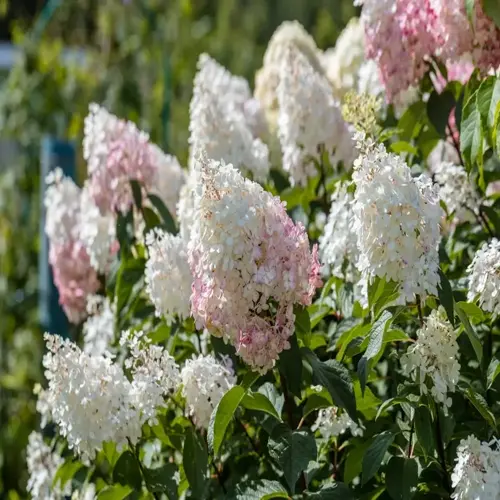

The primrose is the flower called the poor man's rose. You can grab a small tray of these plants for a few dollars at most. Yet each bloom carries the soft, rounded color you expect from a far pricier rose. That gap between the look and the price gave us the nickname for the poor man's rose flower. It tells you a lot about what you get for your money.
Look at a primrose up close and the link makes sense to you right away. The petals open in gentle pinks, creams, and reds that echo a rose without the thorns or the cost. People wanted that rosy cheer in their gardens, but not everyone could afford real roses. The primrose meaning here is simple. It is beauty that anyone can plant in their yard, no matter the budget they work with. You do not need a big plot or fancy tools to enjoy one. A shady corner and a little water are enough to keep these plants happy for you.
The name stuck because primroses are cheap and easy for you to find. Garden centers stock them by the dozen each spring, often for under three dollars a pot. They grow fast, bloom hard, and ask for very little from you in return. A flower this giving at this price earns a warm, down-to-earth name. That kind reputation has lasted for generations of gardeners on a tight budget.
When you shop for one, you will likely meet the common primrose, known by its botanical name Primula vulgaris. This plant blooms from late winter into spring when most other flowers in your garden still sleep. The blooms sit low in tidy rosettes of crinkled green leaves, barely six inches tall. You can pick from many colors too, from pale yellow to deep purple, so a single bed can hold a whole spread of shades that you choose.
These plants love cool, damp spots with partial shade, so think about the shadier corners of your yard. Give them that and they spread on their own over a few seasons without much help from you. A patch under a tree or along a north-facing wall will fill in year after year. Primroses naturalize well, which means one small planting can turn into a wide carpet of color over time. You buy a handful and end up with a crowd.
Plant them at the front of a shaded border where their short height shows off best for you. Tall plants behind them stay clear of the view, and the primroses get their own moment up front near the path. They also do great in pots by your door or on a cool windowsill. That way you bring the color right to where you pass each day, and you can move the pot if the light shifts with the seasons.
For the best value, buy your primroses early in the season and tuck them in before the last frost fades. As a primrose winter flower, the plant shrugs off cold and keeps blooming when the rest of your yard looks bare and brown. You get weeks of rose-like color for the price of a coffee, and you can lift and divide clumps later to spread them around for free. That low cost and long bloom is the whole charm of the poor man's rose, and it is why so many gardeners keep coming back to it.
Read the full article: Winter Blooming Plants: 18 Top Picks