
Introduction
Your garden does not have to go quiet once the lilacs and azaleas fade in spring. The right summer blooming shrubs keep your yard full of color from June straight through October. They pick up exactly where spring plants leave off, so you never face a bare, green lull in the hottest months.
Here is the one idea that makes all of this work. Summer flowering shrubs bloom on new wood, which means the current season's growth. Virginia Cooperative Extension and K-State both confirm it. That single fact tells you when to prune, why these plants bounce back so fast, and how to get more blooms each year.
Most shrub lists online just name a few plants and move on. This guide goes deeper. You get extension-backed bloom times and the new wood pruning science that other roundups skip. You also get pollinator picks drawn from real university studies, not vague claims. That last part matters more than you might think, because the average shrub blooms for only about 2 weeks. Mixing the right plants and timing is how you stretch flowers across the whole summer.
Below you will find a lineup of 13 flowering shrubs, a bloom-timing map, and clear notes on sun and soil needs for each one. I also cover pruning timing, the best choices for bees and butterflies, and native and compact options for tight spaces. Keep in mind that bloom dates are climate-dependent ranges, so your zone shifts them by a week or two. Use this as your plan for season-long color that does the heavy lifting on its own.
13 Best Summer Blooming Shrubs
My Limelight panicle hydrangea now tops my back fence, a wall of cream-green cones in full July sun. I planted it as a knee-high stick years ago and half forgot about it. For six summers it has shrugged off heat waves that crisped my fussier bigleaf hydrangeas to brown rags. That one plant is the dependable backbone your whole summer border can lean on.
Panicle hydrangea earns that role with real numbers. It grows 8-12 ft (2.4-3.7 m) tall and 7-10 ft (2.1-3 m) wide. It blooms around July and stays cold hardy across USDA zones 3-8. Iowa State Extension calls it one of the hardiest and most sun-loving of all the hydrangeas. You get size, toughness, and steady bloom in one easy shrub.
The best summer blooming shrubs share one quiet trait that makes your life easier. Here is the plain fact: most bloom on new wood, so the flower buds form on this year's growth. That gives you a real advantage. A quick late-winter trim shapes the plant and never costs you a single flower. You prune in the cold months and still get your full show in July.
Penn State, Iowa State, Virginia Tech, and K-State all name the same core group. So you are on proven ground, not guessing. Beyond panicle hydrangea, the lineup gives you crape myrtle for hot-summer color and rose of Sharon for bloom that runs to frost. Bluebeard adds rare true blue. Tough spirea and long-flowering abelia round it out. Together they keep your border in color from June into fall.
Use this quick guide to 13 shrubs that hold up across most of the country. Each one lists its size, bloom time, sun needs, and zone. Match the right shrub to your yard and let nature do the rest.
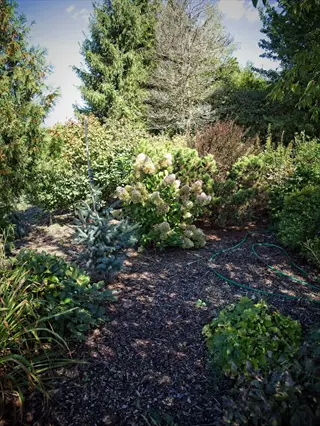
Panicle Hydrangea
- Size: Reaches 8-12 ft (2.4-3.7 m) tall and 7-10 ft (2.1-3 m) wide, making a large, dependable backbone shrub for a sunny border.
- Bloom: Large cone-shaped flower clusters open around July and age from white to pink, holding their shape for weeks into late summer.
- Sun: Grows in full to part sun, unlike its shade-loving hydrangea relatives, and is one of the hardiest of all the hydrangeas.
- Zones: Reliably cold hardy across USDA zones 3-8, which makes it a safe choice for cold-winter gardens where other hydrangeas struggle.
- Wood: Blooms on new wood, so a late-winter or early-spring trim shapes the plant without removing any of that season's flowers.
- Use: Works as a specimen, an informal hedge, or a cut-and-dried flower, and the spent blooms add winter interest when left standing.
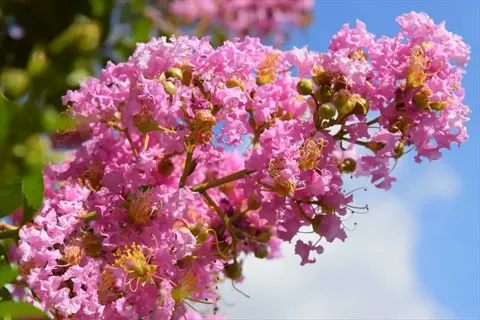
Crape Myrtle
- Size: Ranges from small shrubs to small trees, so cultivar choice matters; compact forms suit beds while taller ones anchor larger spaces.
- Bloom: Produces showy clusters in white, pink, red, or lavender through the hottest part of summer, with peak flowering in early August.
- Sun: Loves heat and full sun, and the more direct light it receives the heavier and longer its flower display tends to be.
- Zones: Best in warmer zones such as 7-9; in colder areas it may die to the ground in hard winters but often resprouts from the roots.
- Wood: Blooms on new wood, so prune in early spring and avoid the harmful hard topping known as crape murder that ruins the form.
- Pollinators: Offers valuable late-summer nectar for bees, with research naming Seminole and Victor as the most-visited cultivars.
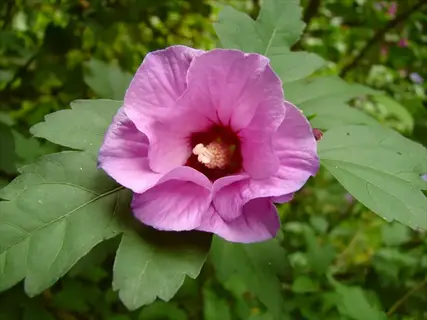
Rose of Sharon
- Size: An upright shrub that fits the medium to large range and works well as a flowering hedge or a back-of-border plant.
- Bloom: Opens a steady succession of hibiscus-like flowers from July right through to frost, one of the longest summer shows available.
- Sun: Performs best in full sun and is extremely drought tolerant once established, handling hot, dry sites with ease.
- Zones: Hardy across roughly USDA zones 5-8, giving it a wide range across much of the country for dependable late color.
- Wood: Blooms on new wood, so early-spring pruning keeps it tidy and can even increase the size of the flowers it produces.
- Note: Older types self-seed freely, so choose modern seedless cultivars if you want to avoid unwanted seedlings around the garden.
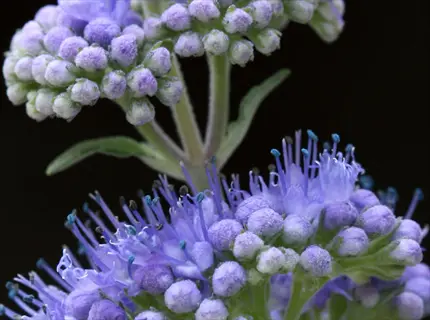
Bluebeard
- Size: A compact shrub about 3 by 3 ft (0.9 by 0.9 m), making it an easy fit for small beds, borders, and tight spaces.
- Bloom: Clouds of blue flowers appear from midsummer into early fall, a true rarity since blue is uncommon among shrubs.
- Sun: Needs full sun and is described as extremely heat and drought tolerant, thriving where many other shrubs would wilt.
- Pollinators: Called a magnet for bees, it draws steady pollinator traffic during the late-summer window when forage runs short.
- Wood: Blooms on new wood; cut it back hard to about 6 in (15 cm) each spring to encourage fresh, flower-laden growth.
- Hardiness: Can be marginally hardy in colder zones, where it may die back in winter but reliably returns from the base.
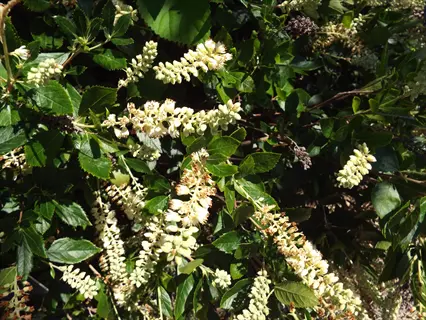
Summersweet
- Size: A native shrub in the small to medium range that naturally suckers into a colony, useful for filling a damp corner.
- Bloom: Bottlebrush spikes of fragrant white or pink flowers open in July and August, scenting the area around the plant.
- Sun: Tolerates full sun to part shade and handles moist soil well, making it flexible for spots that stay damp.
- Zones: Wide cold tolerance across roughly USDA zones 3-9, so it suits gardeners in both cold and warm regions.
- Pollinators: Provides excellent pollinator pasture and is valued as a native source of nectar for bees and butterflies.
- Use: A strong native alternative to invasive butterfly bush for fragrance and wildlife value in a moist, partly shaded bed.
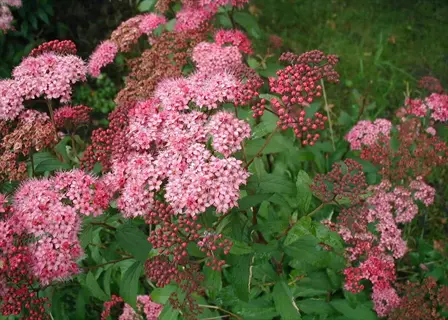
Spirea
- Size: Mostly compact, mounding shrubs that fit easily into the small to medium range for fronts of borders and low hedges.
- Bloom: Flat or rounded flower clusters in pink, red, or white appear through summer, and many newer types rebloom after a trim.
- Sun: Flowers best in full sun and tolerates a wide range of ordinary garden soils with very little fuss once planted.
- Zones: Very cold hardy, with many spireas reliable to roughly USDA zone 3, making them dependable in harsh-winter gardens.
- Wood: Blooms on new wood, so a light shearing after the first flush often triggers a fresh round of summer color.
- Use: A go-to low-maintenance filler and edging shrub that gives color with minimal effort, ideal for beginning gardeners.
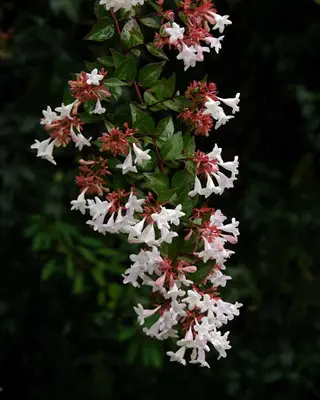
Glossy Abelia
- Size: A graceful, arching shrub in the small to medium range that suits foundation plantings, hedges, and mixed borders.
- Bloom: Small tubular white to pink flowers appear from June until frost, giving one of the longest bloom seasons in the group.
- Sun: Grows best in full sun to light shade and tolerates heat well, holding its glossy foliage through the season.
- Pollinators: The long flowering window provides steady nectar for bees and butterflies across much of the summer and fall.
- Foliage: Semi-evergreen leaves often take on bronze or purple tints in cool weather, adding multi-season interest.
- Use: Valued for its long bloom and tidy habit, making it a low-care choice for a hedge or a foundation planting.
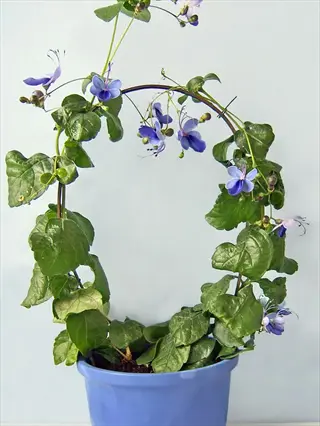
Butterfly Bush
- Size: A fast-growing shrub in the medium to large range that produces long flower spikes on arching summer growth.
- Bloom: Fragrant spikes in purple, pink, or white draw butterflies through summer, which is the source of its common name.
- Sun: Needs full sun and is very drought tolerant, performing well in hot, exposed sites once it is established.
- Wood: A classic cutback shrub that blooms on new wood, so it is cut back hard in early spring to fuel fresh flowering stems.
- Caution: It self-seeds aggressively and is considered invasive in many regions, so look for sterile or seedless cultivars.
- Alternative: Where invasiveness is a concern, native summersweet, buttonbush, or bottlebrush buckeye offer similar wildlife value.
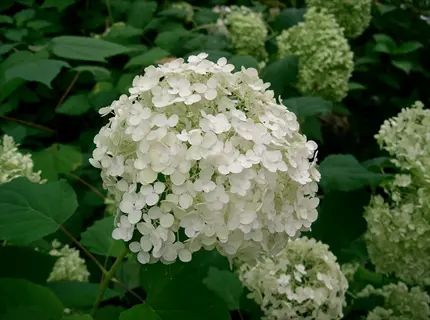
Smooth Hydrangea
- Size: A rounded native shrub in the small to medium range, well known through the classic white Annabelle selection.
- Bloom: Large rounded white flower heads open in early to midsummer and can be left to dry on the plant for later interest.
- Sun: Takes full sun to part shade and is adaptable, though it appreciates some afternoon relief in the hottest climates.
- Zones: Very cold hardy, reliable to roughly USDA zones 4-9, making it dependable across a broad swath of the country.
- Wood: Blooms on new wood, so cutting it back in late winter encourages strong stems and fresh summer flower heads.
- Use: A long-loved native shrub for shadier borders and cottage-style plantings where bold white blooms are wanted.
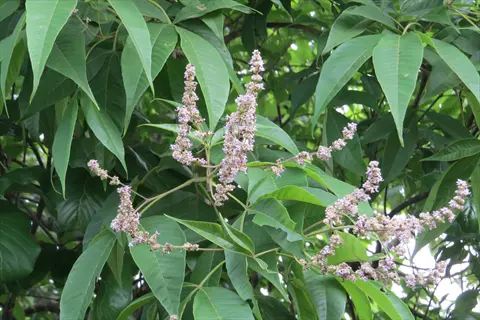
Chastetree (Vitex)
- Size: A large shrub or small tree in warm regions, often grown as a multistem specimen for its airy summer flowers.
- Bloom: Slender spikes of lavender-blue flowers rise above the foliage in midsummer, a useful blue note for hot gardens.
- Sun: Demands full sun and thrives in heat and drought, making it a standout for hot southern and dry-climate sites.
- Wood: Blooms on new wood, so a hard early-spring pruning keeps it shapely and promotes a heavier flush of flowers.
- Pollinators: The nectar-rich spikes attract bees and butterflies during the warmest stretch of the growing season.
- Use: A heat-loving specimen that brings cool blue color and pollinator value to full-sun beds in warm regions.
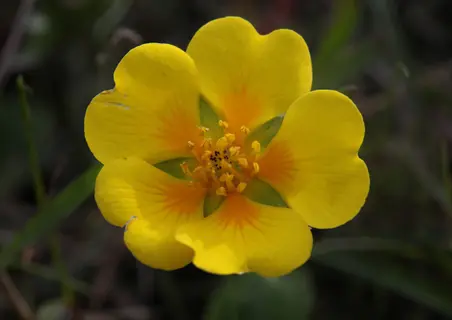
Potentilla
- Size: A tough little mounding shrub in the small range, ideal for low hedges, edging, and exposed, difficult sites.
- Bloom: Cheerful yellow, white, or pink flowers appear from June to frost, giving an exceptionally long summer display.
- Sun: Prefers full sun and tolerates poor, dry soils and cold exposure that would defeat many showier flowering shrubs.
- Zones: Extremely cold hardy, reliable to roughly USDA zone 3, which makes it a workhorse in northern gardens.
- Care: Very low maintenance; a light spring trim keeps it tidy, and it asks for little water once it is established.
- Use: A dependable, no-fuss choice for long color in tough spots where easier-care plants are the priority.
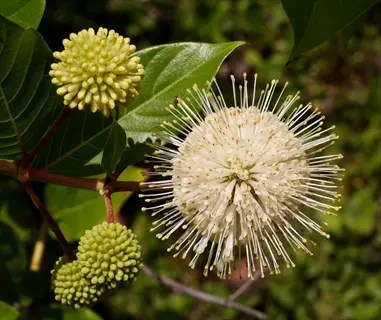
Buttonbush
- Size: A native shrub in the medium to large range that suits the back of a damp border or the edge of a pond.
- Bloom: Unusual creamy-white spherical flower heads appear in summer, looking like small pincushions that buzz with insects.
- Sun: Grows in full sun to part shade and is one of the few shrubs that genuinely thrives in wet, low-lying soil.
- Site: Ideal for rain gardens and soggy spots where other shrubs fail, turning a problem corner into a wildlife feature.
- Pollinators: A magnet for bees and butterflies and a valued native nectar source during the height of summer.
- Use: The go-to native shrub for damp, difficult ground and a strong replacement for invasive butterfly bush.
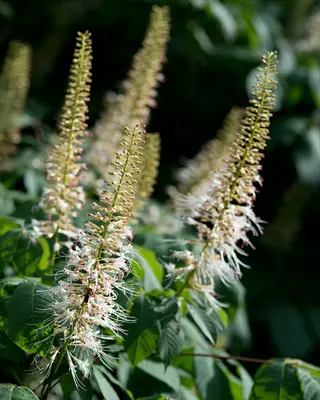
Bottlebrush Buckeye
- Size: A large, spreading native shrub reaching about 8-12 ft (2.4-3.7 m), useful for naturalizing a big shady area.
- Bloom: Tall white bottlebrush flower spikes rise above the foliage in July, a striking show in part-shade settings.
- Sun: Unusually shade tolerant for a summer bloomer, it thrives in part shade where many flowering shrubs will not bloom.
- Zones: Cold hardy across roughly USDA zones 4-8, suiting a wide range of gardens that include shadier ground.
- Pollinators: Provides excellent pollinator pasture and serves as a native nectar source and habitat plant in summer.
- Use: A bold native choice for large shady spaces and a wildlife-friendly alternative to invasive butterfly bush.
When Summer Shrubs Bloom
Summer color works like a relay race in your yard. The early summer flowering shrubs run the first leg in June. Then they hand off to the midsummer crowd, and the late bloomers carry the baton to frost. Plant across all three windows and you never face a gap where nothing is in flower.
Most summer shrubs run from June through October, and the show peaks July through September. Panicle hydrangea tends to open around July. Rose of Sharon starts in July too, but it keeps going right up to frost. So the bloom time you get depends as much on which shrubs you pick as on the calendar.
Here is the calendar I keep in mind when I plan a bed for season-long color. Treat the months as guideposts, not promises, because your weather has the final say.
Early Summer (June)
Glossy abelia and potentilla begin their long run, opening flowers that will keep coming for months as the season warms up.
Midsummer (July)
Panicle hydrangea, summersweet, and bottlebrush buckeye reach their peak, while crape myrtle and chastetree start in warm regions.
Late Summer (August)
Bluebeard, rose of Sharon, and crape myrtle hit full stride, with crape myrtle bee visits peaking in early August.
Into Fall (September to frost)
Rose of Sharon, abelia, bluebeard, and potentilla carry the garden onward, holding color until the first hard frost arrives.
Those months shift on you depending on where you live. Bloom timing can move 2 to 3 weeks within a single state thanks to elevation and latitude. A shrub that opens in early July at a low, warm valley site may wait until late July up on a cooler ridge. Watch your own plants, not just the tag.
Why bother spreading shrubs across every window? Because the average flowering shrub blooms for only about 2 weeks. One shrub alone leaves you with a brief flash and a long stretch of plain green. Stack the late summer flowering shrubs behind the early ones and you stretch real color across months instead of weeks.
Most gardeners think that spring is the time of year when woody plants flower. However, many trees and shrubs flower from late spring to late summer.
One last note before you plant. Bloom labels differ from source to source, and that is not a mistake. Your weather sets the dates. The same panicle hydrangea gets tagged July in one guide and August in the next. Pick a few shrubs from each window, and your garden will bloom until frost no matter how your local season runs.
Sun, Soil, and Zone Needs
Three numbers decide whether a shrub thrives in your yard or sulks for years. You need to know how much sun it wants, how big it gets, and which cold it can survive. Most plant tags bury those details, so the table below puts them side by side for the headline shrubs.
Sun comes first because it drives the flowers. The best full sun shrubs want at least 6 hours of direct light to bloom hard, and a spot that gives only two or three hours will trade most of those blooms for leaves. A few picks here take part shade, but read the sun column before you dig.
Match the mature size to your space before anything else, because a shrub stays put for years. Plant breeders sort woody plants into rough classes you can use as a guide. Small stays under 5 ft (1.5 m), medium runs 5 to 9 ft (1.5 to 2.7 m), and large climbs to 15 ft (4.6 m). A shrub is just a multistem woody plant that tops out under 16 ft, so panicle hydrangea at 8 to 12 ft lands firmly in the large bracket.
The USDA hardiness zones column tells you if a shrub can live through your winter. Panicle hydrangea handles zones 3 to 8. That makes it one of the toughest summer bloomers you can plant. But some warm-region favorites are only marginal in cold zones. Butterfly bush, bluebeard, rose of Sharon, and chastetree can all die to the ground in a hard winter. Northern gardeners should check the rating before they buy. For hot, dry spots, lean on drought tolerant shrubs like crape myrtle and bluebeard.
Soil pH adds one more wrinkle, and it only matters for bigleaf hydrangea. That plant ties its soil pH hydrangea color to the dirt itself. Acidic soil below about pH 5.0 turns the flowers blue, while soil above roughly pH 5.5 to 6.0 turns them pink. Panicle hydrangea ignores all of this and stays white to pink no matter what you do to the ground.
Most summer blooming shrubs need at least 6 hours of direct sun to flower well, so a shady spot that gives only a few hours will usually mean far fewer blooms.
Pruning for More Flowers
The bluebeard I planted along the hot, dry strip by my driveway turned into a sad mess one summer. The stems shot up tall and bare, and the few blue flowers clung to the tips like an afterthought. The next spring I cut the whole plant down to about 6 in (15 cm), almost to the ground. By July it had pushed up a thick stand of fresh stems, and the flush of blue blooms covered it from top to bottom.
Here is the science behind that comeback. Summer shrubs bloom on new wood, which means the current season's growth carries the flower buds. The Virginia Cooperative Extension and K-State both back this up, so you can prune in late winter or early spring and lose nothing that year. Spring bloomers work the other way and set their buds on old wood the year before.
This one fact changes how you handle pruning flowering shrubs in your yard. The most common mistake is treating summer shrubs like spring ones and cutting them in fall or right after they flower. That extra work does nothing for you. The late-winter window is both safe and good for the plant, so wait and prune in spring before new growth wakes up.
True cutback shrubs respond best to a hard trim. Plants like bluebeard and butterfly bush love a spring cut down to about 6 in (15 cm), and they pay you back with a heavy flush of flowering stems. Other summer shrubs need a lighter touch. Thin and shape a panicle hydrangea or rose of Sharon, and never hard-top a crape myrtle. That brutal practice has a name, crape murder, and Virginia Tech flags it for good reason.
Hold off until late winter or early spring before new growth starts, since these shrubs flower on the season's new wood.
Cut out any dead, broken, or crossing stems first so the plant puts its energy into healthy, flower-bearing growth.
Trim true cutback shrubs such as bluebeard and butterfly bush to about 6 in (15 cm) to drive a strong flush of new flowering stems.
For shrubs like panicle hydrangea and rose of Sharon, thin and shape rather than top, and never hard-top a crape myrtle.
Remove spent flowers on reblooming types during the season to encourage a fresh round of summer color where possible.
Your work is not over once the first flowers fade. Deadheading shrubs through the season keeps the show going on reblooming types like rose of Sharon and some abelias. Snip the spent flowers and the plant pours its energy into a fresh round of buds instead of seed. That simple habit is the easy answer to how to keep shrubs blooming longer without any new plants or extra cost.
Summer-flowering shrubs flower on 'new wood,' (i.e., flower buds are produced during the spring/summer in the year that the plant bears flowers).
Shrubs for Bees and Butterflies
Picture a bee crossing your late-summer border in August. It passes a tired perennial bed where the blooms have faded and the nectar has run dry. Then it reaches a crape myrtle buzzing with flowers and drops in to feed. That moment is why summer matters for forage. The right shrubs for pollinators carry bees through the leanest stretch of your gardening year.
It helps to know the exact plants that research backs, not just a vague line about bees. A two-year study at the University of Georgia watched 40 crape myrtle cultivars in 2015 and 2016. The team tracked which ones bees chose. Seminole and Victor drew the most visits, and bumble bees most often landed on Apalachee.
The same study showed which flower colors pull the most traffic. Bees most often chose dark pink, dark purple, and white blooms. Small shrub forms drew more visits than small-tree forms, so the bushy crape myrtles feed more insects than the trained, single-trunk ones. Crape myrtle also fills a key gap as a late-summer forage source when little else is in flower.
These four shrubs give you the best mix of shrubs that attract bees and butterflies through the back half of summer. The data points to crape myrtle. Add bluebeard, summersweet, and buttonbush, and you spread the bloom across your whole yard.
Crape Myrtle for Bees
- Research pick: In the University of Georgia study, Seminole and Victor were the most visited cultivars among all bees over two years of observation.
- Bumble bees: Bumble bees most often visited Apalachee, a large lavender-flowered cultivar, so cultivar choice genuinely changes the visitors.
- Color cue: Bees most frequently chose dark pink, dark purple, and white flowers, a useful guide when selecting for pollinators.
- Late forage: Crape myrtle is an important late-summer nectar source for native and honey bees when few other flowers remain.
Bluebeard
- Bee magnet: Extension sources call bluebeard a magnet for bees, drawing steady traffic through its midsummer-to-fall bloom.
- Timing: Its flowers open during the late-summer window when forage often runs short, making it especially valuable then.
- Form: The compact 3 by 3 ft (0.9 m) size means it packs many flowers into a small footprint for concentrated visits.
- Care: Cutting it back hard each spring keeps it flowering heavily, which keeps the nectar supply generous all season.
Summersweet
- Native value: A native shrub that provides excellent pollinator pasture, feeding bees and butterflies with its fragrant spikes.
- Fragrance: The scented July and August flowers draw insects from a distance, adding sensory appeal for gardeners too.
- Habitat: As a native it supports local pollinator communities better than many non-native ornamentals can.
- Site: It thrives in moist, partly shaded spots, expanding pollinator-friendly planting into damp areas of the garden.
Buttonbush
- Insect draw: Its round white pincushion flowers are a magnet for bees and butterflies at the height of summer.
- Native nectar: A valued native nectar source that supports pollinators in wet and low-lying parts of the landscape.
- Wet sites: It thrives where other shrubs fail, turning a soggy corner into productive pollinator habitat.
- Pairing: Combining it with crape myrtle and bluebeard spreads bloom and forage across different garden conditions.
For the best crape myrtle for bees, start with Seminole or Victor. Pick the bushy, multistem form over a tree-shaped one. You get even more wildlife value when you pair that color with native shrubs. Penn State names four good ones. Try bottlebrush buckeye, New Jersey tea, buttonbush, and summersweet. Each one feeds bees as pollinator pasture. They host caterpillars too, so they double as shrubs that attract butterflies.
The two most visited cultivars among all bees during two years of study-including honey bees, carpenter bees, and several small bee species-were 'Seminole', a large shrub with pink flowers, and 'Victor', a small shrub with red flowers.
Native and Compact Choices
I planted a young buttonbush in the soggy low corner by the rain barrel, the same wet hole where two earlier shrubs had rotted out. By August it stood waist high and threw out white pincushion blooms while bees worked it from dawn. The mud that drowned the others was just what it wanted.
That spot taught me to read the site first and pick the plant second. Native flowering shrubs give you that edge because each one evolved for a real condition near you, from wet feet to dry shade. They also feed local bees and caterpillars in ways imported plants rarely match.
Most people grab butterfly bush to pull in winged visitors. But it self-seeds hard and counts as invasive in many states. Good butterfly bush alternatives bring the same buzz without escaping into wild ground. Buttonbush takes wet soil. Summersweet adds scent in part shade. Bottlebrush buckeye fills a sunny bed.
- Support local pollinators and often serve as larval host plants for butterflies.
- Stay where you plant them instead of seeding into wild areas.
- Include buttonbush for wet soil and summersweet for fragrance and shade.
- Bottlebrush buckeye and New Jersey tea add native variety for sun and part shade.
- Self-seeds aggressively and is considered invasive in many regions.
- Still draws butterflies, which is the source of its popular name.
- Seedless or sterile cultivars reduce the spreading problem if you want one.
- A heat-loving cutback shrub that blooms heavily on new wood in full sun.
Small yards need a different plan, since a shrub stays under 16 ft (4.9 m) but many summer bloomers still get big and pushy. The fix is to buy compact flowering shrubs that fit the bed at full size. Bluebeard holds a tidy 3 by 3 ft (0.9 m). Dwarf spirea, potentilla, and small crape myrtle cultivars stay just as neat.
Sizing the plant to the space saves you from hacking it back every year. Small flowering shrubs that match their spot keep their natural shape and bloom on schedule. Choose the right shrubs for small spaces once and you trade a yearly fight for years of easy color.
For tight beds and containers, choose naturally compact shrubs like bluebeard at about 3 by 3 ft (0.9 m), dwarf spirea, or a small crape myrtle, rather than constantly cutting back a large shrub crammed into a small spot.
5 Common Myths
All flowering shrubs bloom in spring, so summer is a quiet season with little color to enjoy in the garden.
Many woody shrubs flower from late spring through late summer, giving months of color long after spring bloomers fade.
You should prune summer blooming shrubs in fall or right after they flower, just like spring bloomers, to protect next year's buds.
Summer shrubs flower on new wood, so pruning in late winter or early spring keeps the flowers without sacrificing the display.
Butterfly bush is the best shrub you can plant for pollinators because its name promises it will attract butterflies to the yard.
Butterfly bush is invasive in many regions; native shrubs like summersweet and buttonbush feed pollinators without spreading into wild areas.
Hydrangea flower color is fixed by the plant, so a blue hydrangea will always stay blue no matter where you choose to grow it.
Bigleaf hydrangea color follows soil pH, turning blue in acidic soil below about pH 5 and pink in soil above roughly pH 5.5 to 6.
Summer flowering shrubs are fussy and need constant watering and care to produce flowers through the hottest months of the year.
Many summer shrubs such as bluebeard, vitex, and crape myrtle are heat and drought tolerant and flower reliably with little care.
Conclusion
Your garden does not have to go quiet once the spring shrubs drop their petals. A smart mix of summer blooming shrubs keeps the color rolling from June straight through October. That is the real payoff here. You fill the gap when most yards turn flat and green.
Hold on to the one fact that matters most. These summer flowering shrubs bloom on new wood, the growth they push out this very season. So a quick trim in late winter or early spring shapes the plant without ever costing you a single flower. You get a tidy shrub and a full show, both at once.
For season-long color with little fuss, lean on the steady performers first. Panicle hydrangea, crape myrtle, and rose of Sharon carry the heavy bloom load in most yards. Then add natives like summersweet and buttonbush, which double as strong pollinator shrubs that feed bees and butterflies when little else does. That pairing gives you long color and real wildlife value from the same beds.
These are low-maintenance shrubs at heart, but timing makes them shine. Pick a few for early summer, a few for midsummer, and a couple for the late stretch into fall. Stagger your picks that way and your garden never hits a dead spot in the middle of the season.
One last thing before you dig. Bloom dates shift 2 to 3 weeks by region, so treat the times here as ranges, not promises. Spend a few minutes now matching each shrub to your sun, your space, and your zone. That small step saves you years of watching a plant sulk in the wrong spot, and it sets you up for color you will look forward to every summer.
Glossary
- crape murder
- The harmful practice of severely topping a crape myrtle, which ruins its natural form.
- cutback shrub
- A shrub that is cut back hard near the ground each spring to drive fresh flowering stems.
- deadheading
- Removing spent flowers from a plant to encourage it to produce more blooms.
- new wood
- The current season's fresh growth, on which summer flowering shrubs produce their flower buds.
- old wood
- Stems that grew in a previous year, on which spring-blooming shrubs form their flower buds.
- pollinator pasture
- A planting that supplies abundant nectar and pollen to bees, butterflies, and other pollinators.
- soil pH
- A measure of how acidic or alkaline soil is, which can change some hydrangea flower colors.
- USDA hardiness zones
- A map-based rating system showing the coldest temperatures a plant can survive in a region.
External Sources
Frequently Asked Questions
Are there any shrubs that flower all summer?
Yes. Several summer blooming shrubs flower for many weeks or even months at a stretch.
- Rose of Sharon blooms from July until frost
- Bluebeard flowers from midsummer into early fall
- Abelia blooms from June until frost
- Potentilla flowers from June to frost
What is the longest blooming summer shrub?
Rose of Sharon and abelia are among the longest, blooming for months from summer until frost.
What is the easiest flowering shrub to grow?
Panicle hydrangea is one of the easiest, being hardy, sun tolerant, and forgiving of pruning.
Which summer shrub is best for pollinators?
Crape myrtle is a top late-summer bee plant, with research naming the most-visited cultivars.
When should I prune summer flowering shrubs?
Prune in late winter or early spring, since summer shrubs flower on the current season's new wood.
How much sun do summer flowering shrubs need?
Most need at least 6 hours of direct sun daily, though some tolerate part shade.
What are the best native summer flowering shrubs?
Summersweet, buttonbush, and bottlebrush buckeye are strong native picks that support pollinators.
What is the best summer shrub for full sun?
Panicle hydrangea, crape myrtle, and bluebeard all flower well in hot, full-sun sites.
Is butterfly bush invasive?
In many regions it self-seeds aggressively and is considered invasive; seedless cultivars reduce the risk.
Which summer shrubs are best for small spaces?
Compact bluebeard, dwarf spirea, and small crape myrtle cultivars suit tight gardens and containers.