
My front bluebeard sat in the hot strip beside the driveway, leggy and tall, with maybe a dozen sad blue tufts on it all August. One late winter I pruned the whole plant back hard, down to about 6 in (15 cm), almost to the ground. By that summer I had a round mound covered in flowers. Bees crawled over it from morning until dark, and it kept that shape for years.
The best time for pruning summer flowering shrubs is late winter or early spring, just before new growth starts. These shrubs prune on new wood, so cutting them back then does not remove the flower buds that will open later that summer. You get a fuller plant and more blooms in one move.
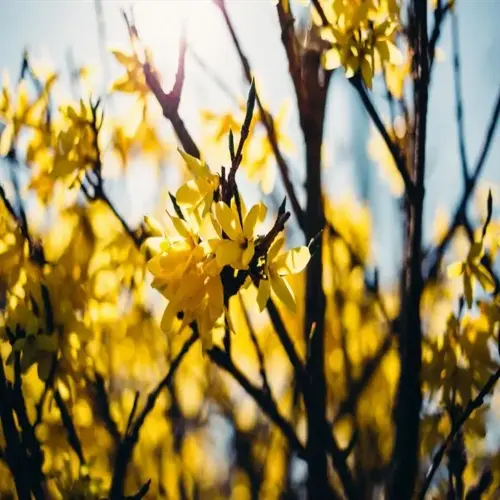
Here is the simple science behind your timing. Summer bloomers make their flower buds on the current season's growth, not on last year's branches. Spring shrubs like lilac and forsythia work the other way. They set their buds the year before on old wood. So when you cut a summer shrub in late winter, you are not snipping off any of that year's flowers. You are clearing the way for fresh stems that carry the new buds for you.
How you cut depends on your shrub, so match the method to the plant. Your true cutback shrubs take the hardest treatment of all, while others just want a light trim.
Cutback shrubs
- Which ones: Bluebeard (caryopteris) and butterfly bush respond best to a hard reset every year.
- How far: Take the whole plant down to about 6 in (15 cm) in late winter while it sits bare.
- Why it works: The roots push out vigorous new stems that flower heavy by midsummer.
Shape and thin shrubs
- Which ones: Panicle hydrangea and rose of Sharon want a lighter hand, not a full cutback.
- How far: Thin out crowded or crossing stems and shorten the rest to keep a balanced frame.
- Why it works: Open growth gets more light and air, which gives you bigger flower heads.
Leave mostly alone
- Which ones: Crape myrtle needs only small cleanup cuts, never a hard chop.
- How far: Remove dead wood, suckers, and a few inward twigs. Skip the topping.
- Why it works: Hacking the trunks flat, often called crape murder, ruins the natural shape and leaves weak, ugly regrowth.
Do not cut a single stem until you know your shrub blooms on new wood. The fastest check is to watch when your plant flowers. If it blooms from early summer onward, it almost always sets buds on new growth. That means late winter is safe for you to cut. If it flowers in spring, hold off. Prune it right after the blooms fade instead, or you will lose next year's show.
Timing the cut is only half the job. To keep flowers coming, you should deadhead spent blooms all summer by snipping the faded heads back to a fresh set of leaves. On butterfly bush and rose of Sharon this pushes a second flush. It also stops the plant from wasting energy on seed. I always keep a small pruner by the back door for this, and a few minutes every couple of weeks keeps your color going well into fall.
Here is your short version on when to prune shrubs that bloom in summer. Cut in late winter or early spring. Go hard on your bluebeard and butterfly bush. Just shape your panicle hydrangea and rose of Sharon. Leave your crape myrtle mostly alone. Check the new-wood habit first, then deadhead all season. Do that and your worst shrub turns into the one neighbors stop to ask about.
Read the full article: 13 Best Summer Blooming Shrubs