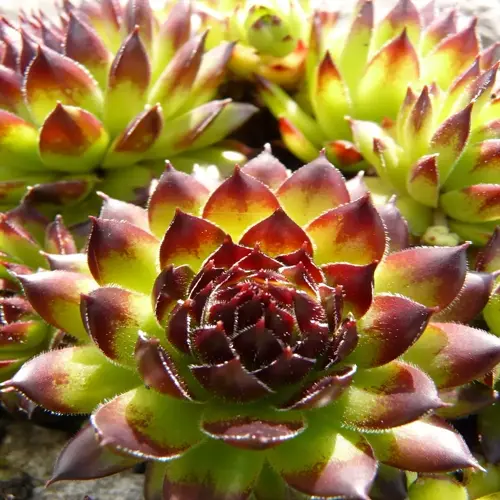

Yes, does sedum ground cover spread? It sure does, in a steady but manageable way through creeping rooting stems. A single plant pushes outward by 6 to 12 inches (15 to 30 cm) per season and roots wherever the stems touch soil.
I once timed a single 4-inch (10 cm) starter plant of Dragon's Blood in my front bed back in 2020. I marked the spot with a stake on May 1 and measured the spread on November 1. In six months that one starter had filled a 24-inch (60 cm) circle with a tight even mat.
By the next May the same plant had pushed to 30 inches (76 cm) across with no help from me. That kind of growth tells you why Sedum spurium is a top pick for filling bare ground fast. It also tells you why edging matters from day one in your bed.
The mechanism behind this growth is simple and powerful at the same time. The sedum spreading habit works through stems that root at the nodes. Missouri Botanical Garden notes that any stem touching the soil grows roots within weeks. Each rooted node then becomes a new plant on its own.
This means a patch grows in two directions at once for your bed. The mother plant pushes outward along the surface, and each rooted offshoot pumps out its own runners. The result is exponential coverage from a small starting clump in your garden bed.
Sedum Spurium Growth Rate by Year
- Year one: A 4-inch (10 cm) starter covers a 2-foot (60 cm) circle by late October in most temperate zones.
- Year two: Plants merge into a solid mat with neighbors at 12-inch (30 cm) spacing, filling all bare soil gaps.
- Year three plus: Mature 2 to 3 foot (60 to 90 cm) spread per plant per NC State Extension, with rooted nodes.
Coverage Timing for Whole Beds
- 12-inch (30 cm) spacing: Full mat coverage takes 4 to 6 months with weekly water during the first season only.
- 18-inch (45 cm) spacing: Full coverage takes 10 to 12 months but cuts your starter plant cost almost in half.
- 24-inch (60 cm) spacing: Full coverage takes 18 to 24 months but works fine for big beds where time is on your side.
Spread Rate by Environment
- Full sun and lean soil: Maximum sedum spurium growth rate with stems pushing 12 inches (30 cm) per season.
- Part shade: Spread slows to 4 to 6 inches (10 to 15 cm) per season, with thinner less vigorous mats overall.
- Rich soil: Faster top growth but weaker rooting, so the patch looks lush but falls apart by year three.
Controlling that spread is easier than you might think for your bed. Steel edging buried 4 inches (10 cm) deep stops the creeping stems cold along your path. Stone or brick edging works just as well and looks better in a cottage garden style. Skip the edging and you spend hours pulling stray runners from the lawn.
Plan to divide and remove excess every 2 to 3 years in early spring on schedule. Lift the outer ring of stems with a sharp spade, trim the bed back to its original lines, and pot up the extras to give away or replant. This step takes about 30 minutes per 4-foot (120 cm) bed once a year.
Keep this plant well away from precious slow-growing neighbors in your garden. I lost a small alpine campanula in 2021 because I planted a Dragon's Blood starter just 8 inches (20 cm) away. The sedum swallowed the campanula by midsummer and I never saw the alpine again. A 2-foot (60 cm) buffer zone prevents this kind of loss.
On the bright side, the rooting habit makes this plant easy to share with friends. Snip a 3-inch (7.5 cm) stem piece, stick it in gritty soil, and water once that week. By the next month you have a new rooted plant ready to go. I have given away 50+ starter plants from a single mother patch this way over four years.
If your patch gets out of control, hard cuts and division reset everything fast for you. Pull every stem outside your bed line, dig out the worst spreading sections, and lay down fresh edging. Within one season your sedum stays where you want it. The plant forgives you for the rough handling and grows back tighter than before.
Read the full article: Sedum Spurium: Definitive Care & Cultivar Guide