
Yes, a rain garden clay soil setup works, and it works well once the right roots get into the ground. Clay has a bad name for clay soil drainage, but the plants you put in change how the dirt behaves over a few seasons. You do not need to dig out your whole yard to make it happen.
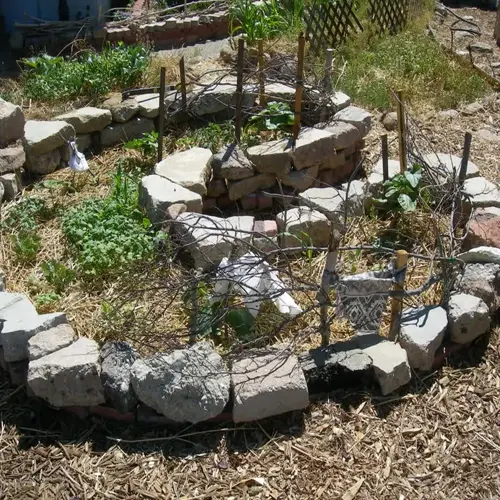
I dug switchgrass and cardinal flower into the heavy clay back corner where my lawn meets the garage downspout. My spade barely cut the gray clay, and the dirt came up in dense, shiny clumps that I had to break apart by hand. That same corner used to pool for days after a storm under plain turf, soggy enough to leave footprints. The first summer it still held water a while, and I worried I had wasted the effort. By the second year the puddle drained in an afternoon, and now after a hard rain the corner is damp, not flooded. I planted nothing else in that spot, and I never touched it with a tiller again.
The reason comes down to roots. Native prairie plants send roots down 6 to 10 feet, far past the few inches that turf grass reaches. As those roots grow, die back, and grow again, they punch open channels through the packed clay. Water follows those channels straight down instead of sitting on top. The roots also feed worms, fungi, and microbes that bind the soil into small crumbs. That crumb structure is what loosens the clay over time, so it holds more air and lets water move through. Turf grass roots quit at the surface, so they never reach deep enough to break the dense layer below.
This is where deep-rooted plants infiltration does the heavy lifting for you. A USGS study in Madison, Wisconsin measured it on real rain gardens. Prairie-planted gardens in clay soaked up water at 0.88 inches per hour, while nearby turf managed only 0.28 inches per hour. That is more than three times faster on the same ground as your yard.
The study also found that every garden it tracked stored and soaked in most of the runoff sent to it, no matter the soil type. So your clay is not a dealbreaker. It is slow at first and then catches up as the roots do their work. The gardens that had been in place longest drained the fastest, which matches what I saw in my own corner. Time is part of your design, not a flaw in it.
Run a perc test before you dig. Fill a foot-deep hole with water, let it drain, refill it, and time how far the level drops in an hour.
Start with that perc test so you know what you are dealing with. If the water drops faster than 0.5 inches per hour, you can plant straight into the native clay and let the roots take over. If it drains slower, mix in a looser blend of sand and compost to open the top layer and give young plants a head start.
Only add an underdrain pipe when the soil drains slower than 0.2 inches per hour, which is true hardpan territory. Most clay yards never hit that mark, so skip the extra plumbing unless your test proves you need it. An underdrain costs more and sends water away instead of into the ground.
Then pick the plants that make all of this work. You want deep-rooted natives, not shallow ornamentals. Good picks for you are switchgrass, big bluestem, cardinal flower, and blue flag iris. Their roots are the tool that fixes your clay for free. They keep working year after year, and you never have to dig again. Put your thirstiest plants in the low middle and your drier-loving ones up on the edges.
Give the planting two full seasons before you judge it. The first year tests your patience, since the roots are still short and the clay still holds water like it always did. Water the young plants through that first dry spell so they survive long enough to dig in. By season two the change is real, and that wet corner turns into one of the best-draining spots in your yard.
Read the full article: Rain Garden Design: A Complete Guide