
An autumn fern indoor can grow well, but this is a landscape plant at heart. It does fine in a pot near a bright window, yet most extension and university sources treat it as an outdoor shade plant first. Indoor care for it is less documented, so set your hopes around steady upkeep rather than a fuss-free desk plant.
Put it in bright, indirect light and the fronds look lush, with new growth showing that coppery autumn tint. But the same plant often grows stronger after a spell outdoors in real shade. That is the honest picture of an autumn fern houseplant. It survives inside, and it thrives when it gets a season in the dirt outside.
The technical side comes down to three things you control. This fern wants bright, indirect light, high humidity, and soil that stays moist but drains fast. Dry indoor air is your main enemy here. When the air around it gets too dry, you get the brown crispy tips that ferns are known for. Once a frond browns it does not green back up, so you want to catch the problem before it spreads across the plant.
Keep these basics in mind as you set your fern up at home. Get the spot and the soil right from day one, and you save yourself most of the trouble that pushes people to give up on ferns indoors.
Light Placement
- Best spot: A few feet back from an east or north window gives bright, indirect light without harsh rays.
- Avoid this: Direct window sun scorches the fronds and bleaches their color within days.
- Watch for: Pale, leggy growth means the plant wants more light, so move it closer to the glass.
Soil And Water
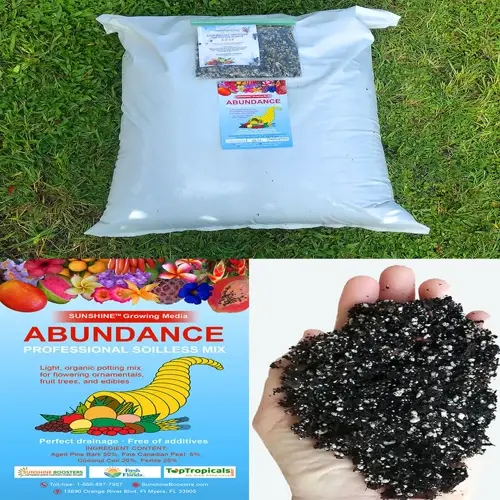
- Mix type: Use an acidic, humus-rich potting mix that holds moisture but still drains freely.
- Watering habit: Keep the top inch of soil lightly moist and water before it dries out fully.
- Hard rule: Never let the pot sit in a saucer of water, since soggy roots rot fast.
Humidity And Air
- Target range: Aim for moist air well above the 30% you get in a dry winter room.
- Easy boost: Set the pot on a pebble tray or group it with your other plants.
- Trouble sign: Crispy brown frond tips tell you the air around the plant has gone too dry.
Humidity is where most indoor ferns fail you. This plant wants moist air around it, and standard living room air sits far too dry, often near 30% or lower in winter. Good indoor fern humidity runs higher than that. Set the pot on a pebble tray with water below the pot base, or group it with your other plants so they share moisture as it rises off their leaves. The more plants you cluster together, the more humid that little pocket of air becomes.
A bright bathroom is one of the best rooms you can pick for it. Your showers push the humidity up on their own, so the fern gets that moist air for free every day. If you have a window in there with soft, indirect light, that spot can keep your fronds full and stop the tips from crisping over the dry months. It is the rare case where the steamy room you avoid for other plants works in your favor.
The smartest move is to treat your autumn fern indoor setup as a seasonal indoor plant. Bring it inside for the cold stretch, then give it an outdoor shady spell once the weather turns mild and frost is gone. A few months outside in dappled light builds a stronger, fuller plant than a full year stuck on a windowsill ever will.
Watch closely for dry-air leaf tip browning, which is your first warning sign. If you spot it, raise the humidity before the whole frond goes. Trim off the dead tips, keep the soil evenly moist, and skip any saucer of standing water. Do that, and your fern stays a handsome, low-drama plant in the house.
Read the full article: Autumn Fern: Complete Care and Growing Guide