

Introduction
Your tomato leaves turn yellow between the veins, so you reach for a bottle that promises to fix it. But the truth about micronutrients plants depend on is messier than most labels admit. That yellowing often points to a problem you cannot pour out of a jug, and treating the wrong cause wastes both your money and your plant's time.
These trace elements are essential nutrients for plants, yet they show up in stunningly small amounts. Carbon makes up about 45% of a plant's dry weight, while molybdenum can sit as low as 0.00001%. Think of plant micronutrients like the trace vitamins in your diet. You need only a tiny dose, but you cannot live without them.
Here is the part most gardening blogs skip. They jump straight to add this nutrient, when the strongest research says most visible deficiency symptoms are not a true soil shortage at all. A high soil pH, poor drainage, or damaged roots will lock out nutrients that already sit in the ground. So the real skill is accurate diagnosis, not guesswork at the store shelf.
This matters more each year. Soils get worked harder now. Bagged plant food has taken over from the rich manures gardeners once used. So a true nutrient deficiency does turn up more often. This guide covers all 8 essential micronutrients. You will learn how to read the symptoms, how soil pH controls uptake, the fixes that work, and the risks of adding too much.
8 Essential Plant Micronutrients
My container Meyer lemon on the sandy back bed greened up the spring I stopped feeding it iron and limed the soil down instead. The leaves had run pale and yellow for three springs. Each new flush came in thinner and more washed out than the last. The soil iron was fine the whole time. A high pH had locked it up where the roots could not reach it, and the green came back only once I fixed the pH.
That gap between what the soil holds and what your plant micronutrients can reach sits at the heart of this whole topic. Most trusted sources name the same short list. Ohio State counts 8 of them among the 17 elements a plant needs to grow. The full set is boron, chlorine, copper, iron, manganese, molybdenum, nickel, and zinc.
You will see other counts, and they do not clash with this one. Texas A&M counts 16 essential elements. Cornell lists 18 and adds cobalt as a 9th micronutrient. The gap comes down to where each source draws the line, not to a real fight about what feeds a plant.
The word micronutrient tells you how much a plant needs, not how much it matters. Iron is the most common of the group in plant tissue, at about 100 micrograms per gram. Molybdenum is the least. A plant can die from too little molybdenum just as fast as from too little iron. The list below walks you through each of the 8 micronutrients in turn. You will even meet the two that get left out so often: nickel and chlorine. Nickel runs the urease enzyme so plants can use nitrogen. Chlorine keeps the water balance steady inside each cell.
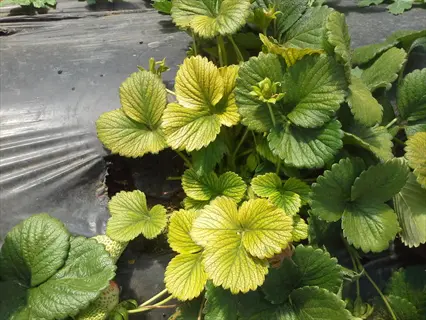
Iron (Fe)
- Role: Iron is essential for chlorophyll synthesis and works in oxidation-reduction reactions that power photosynthesis inside plant cells.
- Amount: Iron is the most abundant micronutrient in plant tissue at roughly 100 micrograms per gram, about 0.01% of dry weight.
- Mobility: Iron is immobile inside the plant, so a shortage shows first in the youngest new leaves rather than older ones.
- Deficiency: Iron deficiency causes interveinal chlorosis, where leaf tissue yellows while the veins stay green, a classic sign.
- Soil: Iron deficiency is common on alkaline or high pH soils and in turfgrass, even when soil iron levels are actually adequate.
- Note: Acid-loving plants such as azaleas, blueberries, and rhododendrons are especially prone to iron problems in the wrong soil.
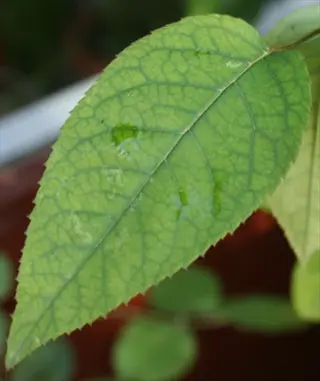
Manganese (Mn)
- Role: Manganese is essential for certain nitrogen transformations and supports enzyme systems involved in photosynthesis and growth.
- Amount: Manganese makes up about 0.005% of plant dry matter, placing it among the more abundant micronutrients by mass.
- Mobility: Manganese is immobile in the plant, so deficiency symptoms appear first on new, young leaves near the growing tips.
- Deficiency: Shortage produces speckled or mottled yellowing between veins, sometimes confused with iron deficiency in young foliage.
- Field data: Across 194 Ohio trials, manganese on soybean was the most common response, seen in 9 of 144 soybean trials.
- Caution: Excess manganese can yellow and kill leaves, so manganese is a nutrient where more is not better.
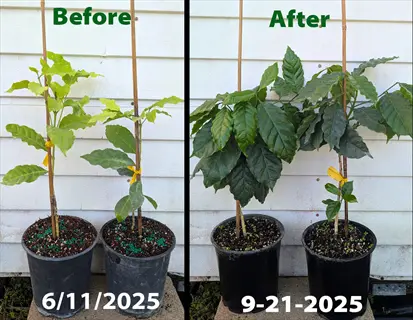
Zinc (Zn)
- Role: Zinc ions are key for enzymatic catalysis of reactions that require an electrophile, central to growth and hormone activity.
- Amount: Zinc accounts for about 0.002% of plant dry matter, a true trace level despite its broad enzyme role.
- Mobility: Zinc is immobile within the plant, so symptoms such as small new leaves show up first on fresh growth.
- Deficiency: Zinc shortage causes stunted growth, shortened spacing between leaves, and small distorted new foliage.
- Soil: Zinc availability drops on high pH soils, and sandy soils are more likely to run genuinely short of it.
- Use: Zinc supports the production of growth hormones, which is why a shortage stunts a plant so visibly.
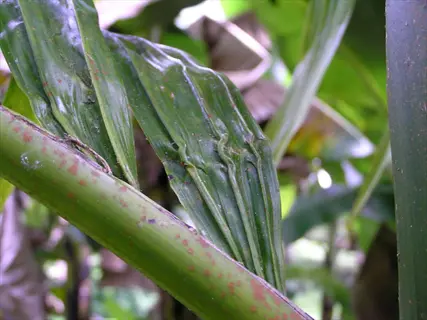
Boron (B)
- Role: Boron is involved in cell division and seed formation, making it important for new shoots, flowers, and fruit set.
- Amount: Boron is present at only about 0.0001% of plant dry matter, one of the smallest shares of any nutrient.
- Mobility: Boron is immobile inside the plant, so deficiency tends to damage growing points and new tissue first.
- Deficiency: Shortage can cause hollow or corky stems, brittle growth, and poor flower or fruit development.
- Toxicity: Boron has a famously narrow window between enough and too much, and excess boron can kill the plant.
- Field data: In Ohio trials, boron on corn produced a yield response in just 1 of 9 corn trials, showing responses are uncommon.
Copper (Cu)
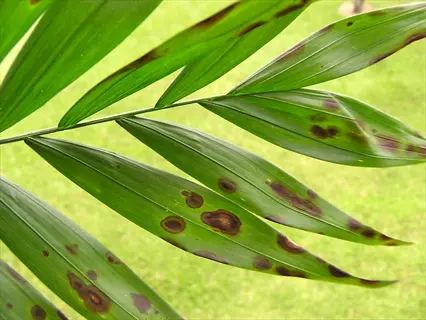
- Role: Copper is active in oxidation-reduction reactions and is part of enzyme systems essential for photosynthesis.
- Amount: Copper sits at roughly 0.0001% of plant dry matter, a trace level shared with boron.
- Mobility: Copper is immobile within the plant, so a shortage affects new growth before older leaves.
- Deficiency: Copper shortage can cause wilting, dieback of young shoots, and pale, distorted new leaves.
- Soil: Copper is held tightly in many soils, and organic or peat soils are more likely to show a genuine shortage.
- Note: Copper deficiency is uncommon in most garden soils, so it is rarely the first nutrient to suspect.
Molybdenum (Mo)
- Role: Molybdenum is used to reduce nitrates into usable forms and is essential for symbiotic nitrogen fixation in legumes.
- Amount: Molybdenum is the least abundant micronutrient at about 0.00001% of dry weight, the smallest share of all.
- Mobility: Molybdenum is immobile in the plant, so deficiency symptoms tend to appear on newer leaves first.
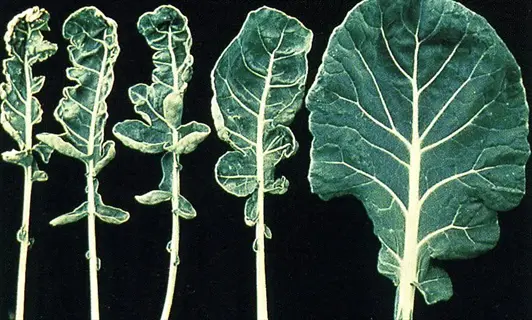
- Deficiency: Shortage can cause pale leaves and a condition in brassicas known as whiptail, where leaves grow narrow.
- Soil: Unlike most micronutrients, molybdenum becomes more available as soil pH rises toward alkaline.
- Use: Because it drives nitrogen reduction, molybdenum is closely tied to a plant's ability to use nitrogen well.
Chlorine (Cl)
- Role: Chlorine, taken up as chloride, helps with osmotic balance and the neutralization of cations inside plant cells.
- Amount: Chlorine makes up about 0.01% of plant dry matter, on par with iron among the micronutrients.
- Mobility: Chlorine is mobile within the plant, so unlike most micronutrients its deficiency can show on older leaves.
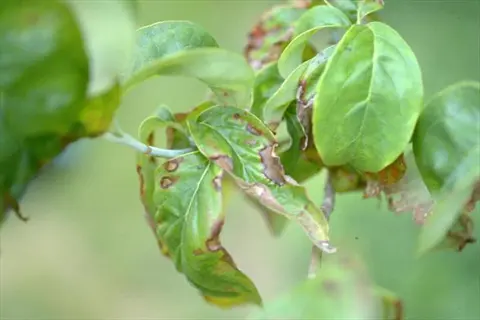
- Deficiency: Chlorine shortage is rare in nature, since chloride is widespread, but it can cause wilting and leaf mottling.
- Coverage: Chlorine is one of the two micronutrients most gardening guides skip, alongside nickel.
- Note: Because chloride is so common in soil and water, gardeners almost never need to add it deliberately.
Nickel (Ni)
- Role: Nickel is essential for urease enzyme function, which lets plants process urea-based nitrogen properly.
- Amount: Nickel is needed in extremely small amounts and is the most recently confirmed essential plant micronutrient.
- Mobility: Nickel is mobile within the plant, so like chlorine its symptoms can differ from the immobile micronutrients.
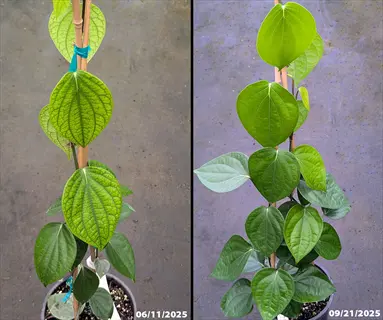
- Deficiency: Nickel shortage is very rare and can show as leaf tip burn or poor nitrogen processing in affected plants.
- Coverage: Nickel rounds out the eight and, with chlorine, is routinely left out of gardening blogs.
- Note: Because the need is so tiny and soils usually supply enough, nickel deficiency is almost never seen in gardens.
What Micronutrients Do in Plants
Plants need only a trace of each micronutrient, yet they fail without it. That sounds like a contradiction until you learn what these elements actually do. Most of them are not building blocks at all. They work as cofactors and catalysts inside the plant's enzyme systems, the tiny parts that let the big chemical reactions fire.
Think of micronutrients as the spark plugs of plant metabolism, not the fuel. A spark plug weighs almost nothing next to a tank of gas. But take it out and your engine will not run. That is why your plant can need just a pinch of iron or zinc and still collapse when that pinch goes missing.
A big part of the answer comes down to redox reactions, which is just the transfer of electrons from one molecule to another. Iron, copper, and molybdenum are the brokers of these electron handoffs. Those handoffs power photosynthesis, the process that turns sunlight into the sugars your plant lives on. Lose the broker and the whole line stalls.
The reach of these trace metals is wider than most people guess. Around 30% to 40% of proteins are tied to a metal, so a few elements touch a huge share of plant chemistry. The list below groups the main micronutrient functions in plants by the job each one does.
Driving photosynthesis and energy
- Redox brokers: Iron, copper, and molybdenum are active in oxidation-reduction reactions that are essential for photosynthesis.
- Chlorophyll: Iron is required to build chlorophyll, the green pigment that captures light energy for the plant.
- Why it shows: Because iron drives chlorophyll, an iron shortage quickly turns new leaf tissue pale and yellow.
Running enzyme systems
- Cofactors: Most micronutrients are part of the enzyme systems of plants, acting as catalysts rather than structural material.
- Zinc catalysis: Zinc ions are key for enzymatic reactions that require an electrophile, supporting growth and hormones.
- Metal proteins: Around 30% to 40% of proteins are associated with a metal, so trace metals touch a huge share of plant chemistry.
Managing nitrogen
- Nitrate reduction: Molybdenum is used to reduce nitrates into forms the plant can actually use for growth.
- Nitrogen fixation: Molybdenum is essential for symbiotic nitrogen fixation in legumes such as beans and peas.
- Urease enzyme: Nickel is essential for urease enzyme function, which lets plants process urea-based nitrogen.
Building tissue and balance
- Cell division: Boron is involved in cell division and seed formation, supporting new shoots, flowers, and fruit.
- Osmotic balance: Chlorine helps with osmotic balance and the neutralization of cations inside plant cells.
- Nitrogen transformations: Zinc and manganese are both essential for certain nitrogen transformations within the plant.
Notice the pattern across all four groups. These elements rarely become part of the plant's structure. They sit inside enzyme systems and switch reactions on, from chlorophyll synthesis to nitrate handling. That is the real reason a trace shortage shows up so fast in new growth, and it is the piece most plant care lists leave out.
Zinc ions are key for enzymatic catalysis of reactions that require an electrophile, while iron, manganese, copper, nickel, and molybdenum are brokers of redox transformations.
Spotting Deficiency Symptoms
The fastest way to spot micronutrient deficiency in plants is to ask one question first. Are the sick leaves new or old? That single check points you toward the right nutrient before you change a thing.
Most micronutrients are immobile inside the plant. Boron, copper, iron, manganese, zinc, and molybdenum stay put once a leaf takes them in. So the plant cannot pull them from old growth to feed new shoots. Only chlorine and nickel move freely. This matters more than it sounds.
Because immobile nutrients cannot shift, their shortages show up first on the newest, youngest leaves. So watch the new vs old leaves. When trouble hits fresh growth but the old leaves stay green, an immobile micronutrient is running low.
Try a real leaf. You spot yellowing leaves on the newest growth, but the veins stay green and the yellow sits in the spaces between them. That pattern is interveinal chlorosis, and it points you straight to iron. Now picture a different leaf you find, one with a scattered, speckled yellow mottle across new growth. That speckling tells you manganese, not iron.
Iron, manganese, and zinc are the three shortages you will meet most, with zinc often showing as small leaves and stunted growth on fresh shoots. Your table below leads with those patterns. Use it as a quick deficiency chart that maps each nutrient to its leaf position and the symptom you will actually see.
Always check whether symptoms sit on new or old leaves before adding anything. Reaching for fertilizer without diagnosis can mask the real problem and waste product.
Why Soil pH Drives Uptake
A yellow leaf rarely means your soil ran out of a nutrient. Most of the time the nutrient sits right there in the dirt. Your plant's roots just cannot reach it. That gap drives nearly every deficiency you will see in the garden.
Your biggest lever is soil pH and nutrient availability. When pH climbs too high, iron, manganese, and zinc lock into forms your roots cannot absorb. The metal stays in the ground. It just sits there, useless to your plant, until you fix the chemistry around it.
My blueberries on the sandy back bed threw pale, yellow-veined new leaves three springs running. I dosed them with iron from a bottle and got almost nothing for it. The fourth spring I stopped chasing the symptom and acidified the soil instead. By June the new growth came in deep green, and I had not added one extra drop of iron.
That is why alkaline soils hit your acid-loving plants the hardest. Your azaleas, rhododendrons, and blueberries all want a low pH. High-pH ground starves them of iron even when the soil holds plenty. Correcting your pH often fixes the problem that more fertilizer never could.
High pH is not the only thing that blocks nutrient uptake. Poor drainage drowns roots so they stop absorbing. Compaction and hardpan keep roots from spreading. Nematodes and decay chew up the fine roots that do the real work. Anything that hurts root health also chokes off the supply line to the leaves.
There is a real exception, and it matters. Sandy soils can run genuinely short, since they hold few nutrients to start with. Ohio ran field trials for four decades. They found that added micronutrients rarely helped, except on sandy, acidic, or peat ground. So ask first whether your plant is short on a nutrient or just cannot reach one.
except for nitrogen, most nutrient deficiency symptoms are not due to a deficiency of nutrients in soil; they usually result from other causes, commonly adverse soil conditions and anything that makes roots unhealthy.
Fixing Micronutrient Deficiency
Most guides on how to fix micronutrient deficiency hand you a product and stop there. That order is backward. You confirm the symptom, test the soil, then correct the cause before you ever reach for a bottle.
Here is the part those pages skip. Adding nutrients will not repair a leaf that other problems already damaged, and feeding can hide the real cause from you. Fix the soil first, then feed. A foliar spray works fast for a few weeks, but soil application is what holds the fix in place over the long run.
Start with soil testing. A simple test reads your pH and your nutrient levels, and that one step tells you whether a nutrient is truly low or just locked up by high pH. Low and locked-up look the same on the leaf, but they need very different fixes.
Check whether yellowing or speckling sits on new or old leaves to narrow down which micronutrient is likely involved.
Run a soil test for pH and nutrient levels so you know whether a nutrient is truly low or simply locked up by high pH.
Correct drainage, compaction, or pH before adding nutrients, since damaged foliage will not recover from feeding alone.
Use a chelated micronutrient or foliar spray for a fast short-term fix, and a soil amendment for a lasting long-term correction.
Watch new growth over the following weeks, since healthy new leaves confirm the cause was found and the fix is working.
On alkaline soils, plain iron sulfate is quickly locked up, while chelated or sequestered iron stays available to roots at high pH. Match the product to your soil.
Here is how it plays out. You spot yellowing between the veins on the new leaves, so you suspect iron. You run a soil test and the pH comes back high. Spraying iron week after week treats the symptom, not the cause. Lower the pH and the iron your soil already holds becomes available again.
When you do feed, match the product to your soil. Plain iron sulfate gets locked up fast on alkaline ground. So reach for chelated iron, which stays available to roots at high pH. When you buy a micronutrient fertilizer, get the chelated kind here too, since a plain one gets locked up just as fast.
Your fix changes with where the plant grows. In a ground bed you adjust pH and drainage, then let the soil do the work. A container holds only a small pocket of mix. So you correct it faster with a chelated feed or a foliar spray, then refresh the medium when the season ends.
Avoiding Micronutrient Toxicity
Most guides push you to add more. But too much can hurt your plants as fast as too little. Texas A&M data shows the danger clearly. Excess boron can kill a plant outright, and excess manganese turns leaves yellow and then kills them. So feeding a struggling plant more trace elements can make a small problem worse.
Here is the rule that keeps gardeners safe. Plant growth is limited by the one nutrient in shortest supply, so piling on a single micronutrient does nothing for that gap. Worse, it can push the plant into micronutrient toxicity. Boron is the classic trap. It moves from helpful to harmful in a tiny range. That narrow window is why boron toxicity shows up so often when people guess at how much to add.
Telling the two problems apart matters before you reach for any product. Deficiency tends to show up in the new growth as pale or speckled young leaves. Toxicity reads as leaf burn, scorched margins, and dieback instead. Use the side by side below to match what you see on the plant.
- Pale or yellow new leaves, often between green veins.
- Speckled or mottled young foliage from manganese shortage.
- Small leaves and stunted growth from low zinc.
- Usually traced to high pH or poor uptake rather than true shortage.
- Scorched or burned leaf margins from excess salts.
- Yellowing and dying leaves from too much manganese.
- Sudden dieback, since excess boron can kill the plant.
- Often follows over-application of a micronutrient product.
Most cases of nutrient excess trace back to one habit. You dose too much of a micronutrient product, or you add too much of a boron-rich amendment. Either move tips the soil out of balance. So treat over-fertilization as a real risk, not a harmless extra. Container plants face an added trap. Salt buildup in pots concentrates over time and compounds the toxic effect, so flush your pots now and then to keep those salts from stacking up.
Boron moves from helpful to harmful in a very small range. Never apply boron products by guesswork, since excess boron can kill a plant outright.
5 Common Myths
Yellow leaves always mean a plant is short on micronutrients in the soil, so adding more fertilizer is the fix.
Except for nitrogen, most deficiency symptoms come from soil pH, drainage, or root problems rather than a true soil shortage.
Because plants only need micronutrients in trace amounts, leaving them out of feeding makes little difference to growth.
A plant cannot complete its life cycle without each essential micronutrient, even though it needs only tiny quantities.
More micronutrient fertilizer always helps a struggling plant grow faster and look greener and healthier.
Excess can be as damaging as shortage, since too much boron can kill a plant and excess manganese yellows leaves.
Iron, manganese, and zinc are the only micronutrients gardeners ever need to think about in their soil.
Plants need eight micronutrients, including boron, chlorine, copper, molybdenum, and nickel, each with its own role.
If a soil test shows enough iron, then iron deficiency symptoms on the leaves are impossible to see.
High pH or root problems can lock up iron that is present, so symptoms appear even when soil levels look fine.
Conclusion
The 8 micronutrients plants rely on do the quiet work behind every green leaf and full seed head. The list runs boron, chlorine, copper, iron, manganese, molybdenum, zinc, and nickel. Each one has a job no other element can cover. Iron builds the chlorophyll that makes leaves green. Boron drives cell division and seed set. Lose any one and the plant tells you, often in the new growth first.
What still surprises most gardeners is how little of these elements a plant needs. Molybdenum makes up about 0.00001% of dry weight, yet a plant cannot finish without it. That tiny number is the whole point of plant micronutrients. They work as part of the enzyme systems that switch reactions on, so a trace amount goes a long way.
Here is the lesson worth keeping. Most signs of a nutrient deficiency are not a true soil shortage at all. High soil pH, poor drainage, compaction, and damaged roots block uptake far more often than an empty soil does. That yellow leaf is usually an access problem, not a supply problem, so reaching straight for a bottle can mask the real cause.
So diagnose before you treat. Read the leaf, note whether old or young growth went first, then check your soil and roots before you check the fertilizer shelf. A soil or tissue test answers in a week what guesswork never will. The right diagnosis points to soil and roots first, and to a fertilizer bottle last.
Keep in mind that plant growth is limited by the nutrient in shortest supply, so no single element saves a plant on its own. Chase one number and you can tip another into toxicity, the way too much boron burns the plant it was meant to feed. Balanced soil with a workable pH beats any quick fix. Get that right, and the trace elements take care of the rest, leaving you with healthy plants you can read at a glance.
Glossary
- chelated iron
- Iron bound to a protective molecule so it stays available to plant roots even in high pH, alkaline soils.
- immobile micronutrient
- A nutrient the plant cannot move from old leaves to new growth, so its shortage shows up first on the youngest leaves.
- immobile nutrient
- A nutrient a plant cannot move from old leaves to new ones, so a shortage shows up first in the youngest growth.
- interveinal chlorosis
- Yellowing of leaf tissue between the veins while the veins themselves stay green, a classic sign of iron or manganese shortage.
- redox reactions
- Chemical reactions that transfer electrons between molecules, which many micronutrients help drive during photosynthesis and nitrogen use.
- soil pH
- A measure of how acidic or alkaline soil is, which controls whether nutrients can be taken up by roots.
- trace elements
- Nutrients plants need in extremely small amounts yet cannot grow without.
- urease enzyme
- A plant enzyme that breaks down urea-based nitrogen so the plant can use it, a process that depends on nickel.
External Sources
Frequently Asked Questions
What are the 8 essential plant micronutrients?
The eight are boron, chlorine, copper, iron, manganese, molybdenum, nickel, and zinc.
What are the 17 essential plant nutrients?
They include carbon, hydrogen, oxygen, the macronutrients, and the eight micronutrients.
What is the difference between macronutrients and micronutrients?
Macronutrients are needed in large amounts, micronutrients only in trace amounts.
Can plants survive without micronutrients?
No. A plant cannot complete its life cycle if any essential micronutrient is missing.
What are the most common micronutrient deficiencies in plants?
Iron, manganese, and zinc deficiencies are the most common in gardens.
How do I know which micronutrient my plant is missing?
Check whether symptoms appear on new or old leaves and look at the color pattern.
Why do micronutrient deficiencies appear even in rich soil?
High pH, poor drainage, or root damage can block uptake even when nutrients exist.
Does soil pH affect micronutrient availability?
Yes. High pH ties up iron, manganese, and zinc so roots cannot absorb them.
How do you fix a micronutrient deficiency in plants?
Correct the soil cause first, then use a soil amendment or foliar spray if needed.
Can plants get too much micronutrient fertilizer?
Yes. Excess micronutrients, especially boron, can be toxic and damage plants.

