
No, you should never hard prune this plant. Cutting back christmas rose plants means trimming away the old, damaged leaves and nothing more. The plant is a hellebore, not a true rose, so it does not want the brutal yearly haircut your shrub roses get. You leave the crown and the fresh new growth alone, and the plant pays you back with flowers in the dead of winter.
"You want to take that one right down to the ground in winter," my neighbor said over the fence, nodding at my Potter's Wheel clump. "Same as my roses. Hard, every year." He cut his own hellebores back to bare soil each February without fail. I never touched mine beyond pulling the worn old leaves off. By the next winter my clump carried twice the open blooms his sad little stumps managed, and he stopped offering advice over the fence.
The right job is simple. You wait until late winter as the flower buds push up, then you snip off the old, faded or damaged leaves at the base. This is what removing old leaves actually means, and it does two real things at once. First, it clears the view so the white bowl-shaped flowers stand out. Second, it cuts down the spread of hellebore leaf spot. That fungal disease lives on tired old foliage and jumps to fresh growth. So cutting back christmas rose foliage at the right moment is as much about plant health as it is about looks.
Here is where most people go wrong with pruning hellebores. They treat them like garden roses and shear the whole crown back. That is a mistake. A christmas rose is slow growing and takes two to five years to reach full size, and it resents any disturbance at the roots. Cut away healthy leaves and flower stems and you strip out the energy the plant needs. You also bare the crown to frost. Never take the whole plant down to the ground.
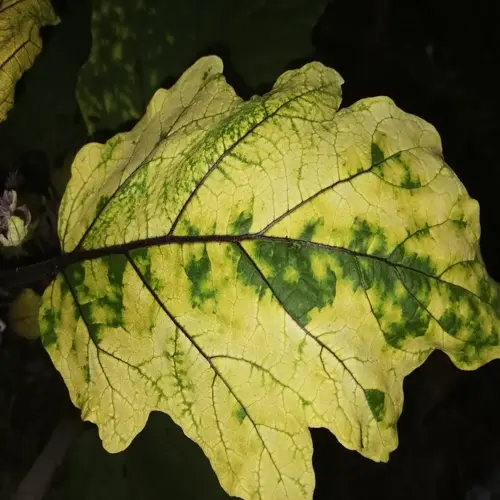
Knowing which leaves to keep is the whole skill. Old leaves sit flat and leathery, often gone dark, brown-edged or marked with black spots. They have done their work and are on the way out. The new foliage stands up fresh and bright from the center, usually right alongside the flower stems. You snip the old, you leave the new. That is the entire decision.
- Wait: Hold off until late winter when the flower buds start to show at the base of the plant.
- Glove up: Wear gloves before you start, since every part of this plant is toxic and the sap can irritate your skin.
- Cut clean: Use clean, sharp snips to remove only the old, tatty or spotted leaves at their base.
- Leave the fresh new foliage and every flower stem fully intact.
- Bin the old leaves rather than composting them, so leaf spot spores do not travel back to the plant.
A few practical notes make this safer and tidier. Always use clean, sharp snips so you get a neat cut and do not tear the crown. Wipe the blades before you move to the next plant, because dirty tools carry leaf spot from one clump to another. And keep your gloves on the whole time. Every part of the christmas rose is poisonous, the rhizome most of all, and it can bother pets and people alike.
Once the old leaves are gone, step back and leave the plant be. It does not need feeding into shape or further tidying through the season. One light cleanup a year as the buds emerge is all the cutting this plant ever asks for. Do that much and your christmas rose will keep flowering through the bleakest weeks of winter, year after year, with very little fuss from you.
Read the full article: Christmas Rose: Care, Meaning and Growing