
Most cases of why sedum falls apart trace back to four root problems: rich soil, too much water, low light, or old crowded clumps. Each one weakens the stems or rots the crown until your mat splits open in the middle.
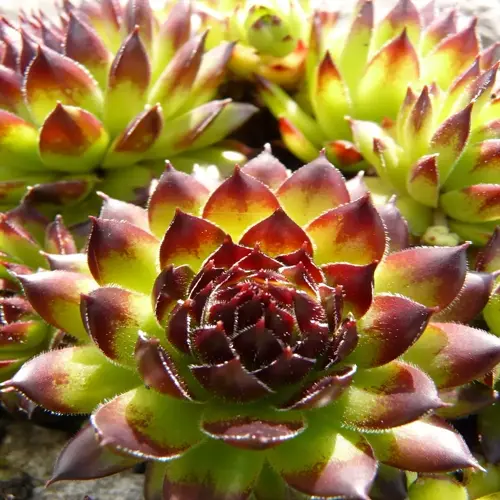
I dealt with this myself in 2023 when my five-year-old Dragon's Blood patch hollowed out. The middle looked like a bald spot, with bare soil ringed by a fat green donut of healthy growth. I dug the whole patch up in March and replanted only the strong edge sections in fresh gritty soil.
Within 6 weeks the bed looked solid again with no thin spots at all. The trick was honest division and a switch to leaner soil with 30% pea gravel mixed in. Two seasons later the patch still holds its shape with no signs of the old split-open look that plagued me before.
The science behind sedum flopping comes down to plant chemistry in your bed. Rich soil with high nitrogen pushes fast green growth above ground. Those tall lush stems hold less wood and more water, so they bend over from their own weight by June every single year.
Rich Soil and Too Much Food
- Excess nitrogen: Compost piles or lawn fertilizer drift add 5 to 10 times the food sedum wants in your bed.
- University of Missouri warning: Their IPM team notes too rich soil makes weak floppy growth and starts root rot.
- Fix it fast: Top-dress the bed with 2 inches (5 cm) of coarse sand to lean out the soil over one full year.
Sedum Center Dying Out
- Aging crowns: After 4 to 6 years the middle of a patch shades itself out and inner stems lose all their light.
- Division rule: University of Missouri IPM team suggests division every 3 to 4 years for vigor.
- Replant only edges: Toss the spent middle pieces and replant fresh outer ring sections in your renewed bed.
Low Light and Wet Feet
- Shade trouble: Less than 6 hours of direct sun makes stems stretch tall and weak, then fall apart by July.
- Soggy soil: Bed water above 1 inch (2.5 cm) per week rots crowns and turns the patch to mush in weeks.
- Drainage fix: Raise the bed by 4 to 6 inches (10 to 15 cm) or add gritty mix below the root zone.
Crowded crowns cause the worst kind of failure on older patches. Once stems grow so dense that no light hits the middle, the inner leaves brown out and the stems die back. This sedum center dying out pattern hits almost every patch by year five if you skip the division step.
Watering habits make or break your plant during stressful summers. Daily light splashes keep the surface moist and trick the stems into weak surface roots. A single deep soak every 10 to 14 days in dry weather pushes roots down deep and builds strong stems that hold their shape.
In my experience the soak-and-wait method changes everything for your sedum bed. When I switched from twice-weekly light watering to one deep drink every two weeks, my stems firmed up within a month. The mat held its shape through a heat wave that flattened my neighbor's daily-watered patch next door.
The full rescue plan for a fallen patch is straightforward in your garden. First, cut the whole mat back hard in early spring within 1 inch (2.5 cm) of the crown. Next, mix 2 inches (5 cm) of coarse sand or fine gravel into the top 6 inches (15 cm) of soil to lean out the bed.
Then divide your plant by lifting the patch, keeping only the outer ring of healthy stems. Replant the strong pieces at 12-inch (30 cm) spacing in fresh soil and water once. Finally, move the bed into full sun if shade was part of the problem all along for your plant.
After the rescue, hold the line on care for the long haul. Skip all fertilizer for the first two seasons after the reset. Water only when the top 2 inches (5 cm) of soil are bone dry to the touch. Plan to divide your patch again at year four to keep the mat tight and the bloom strong.
Read the full article: Sedum Spurium: Definitive Care & Cultivar Guide