
Most christmas rose problems show up in one of three ways. You see dark spots or blotches on the leaves, you find holes chewed through the foliage, or the plant just sits there and refuses to flower. Each of these signs points back to a short list of common causes, and once you know them you can fix the plant before it goes downhill.
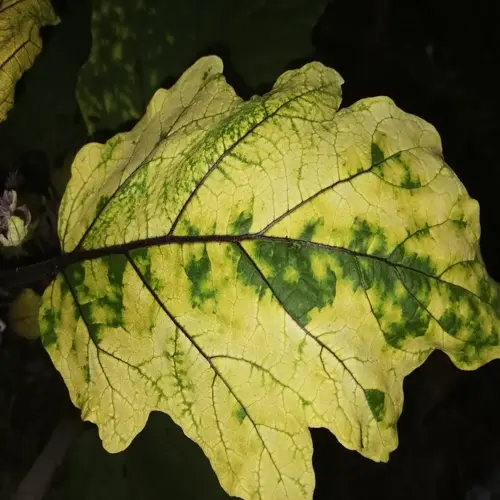
The most common disease is hellebore leaf spot. It starts as dark brown or black marks that spread and join up, and it hits old wet leaves the hardest. Damp, still air makes it worse, so crowded plants in a wet winter tend to suffer the most. The Royal Horticultural Society also lists a more serious viral issue called black death, which streaks and twists the whole plant. There is no cure for that one, so dig out and bin any plant that shows it. For ordinary leaf spot, cut off the marked leaves and bin them too. Never compost them, because the fungus survives and spreads back to your plant the next season.
Pests cause the next batch of trouble. The RHS names the hellebore aphid, the hellebore leaf miner and snails as the main ones to watch. Aphids cluster on new buds and flower stems and leave a sticky film behind. You can wipe or wash them off with your fingers and a jet of water. Slugs and snails chew ragged holes in the leaves, and they love damp shade, so clear away dead foliage and other hiding spots near your plants.
The worst trouble is crown rot, and it kills plants fast. It comes from soggy soil that never drains or from setting the plant too deep so the crown sits below the surface. The crown turns soft and brown, and the whole plant wilts even though the soil is wet. If you catch it early, lift the plant, improve the drainage with grit, and replant with the crown level with the soil. Wet feet are the one thing a christmas rose will not forgive.
Shy flowering worries new growers, but it is rarely a real fault. A young plant spends its first years building roots, so you may wait 2 to 5 years for a strong show of blooms. Too much shade, dry soil, or moving the plant around all hold it back as well. A plant that gets dug up and split too often will sulk and skip flowering for a season or two. Pick a spot with light shade and good drainage, then leave the roots alone. Cut away old, tatty leaves in late autumn so the new flowers stand clear and stay free of disease.
Most christmas rose problems trace back to the same handful of conditions. Give your plant the shade, free-draining soil and undisturbed root run it wants, and serious trouble stays rare. Feed it a little in spring, mulch with leaf mould, and check the leaves once a month for spots or pests. Catch issues early and a christmas rose will reward you with flowers in the dead of winter for many years to come.
Read the full article: Christmas Rose: Care, Meaning and Growing