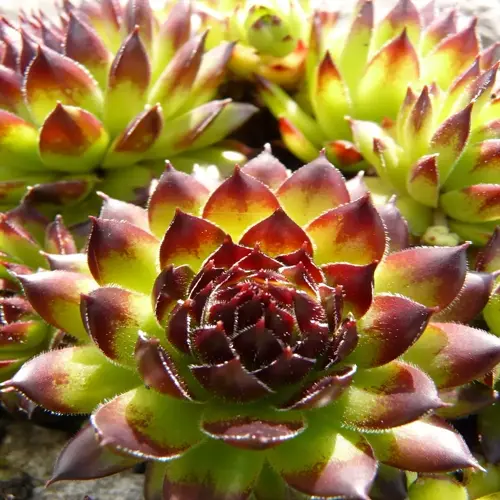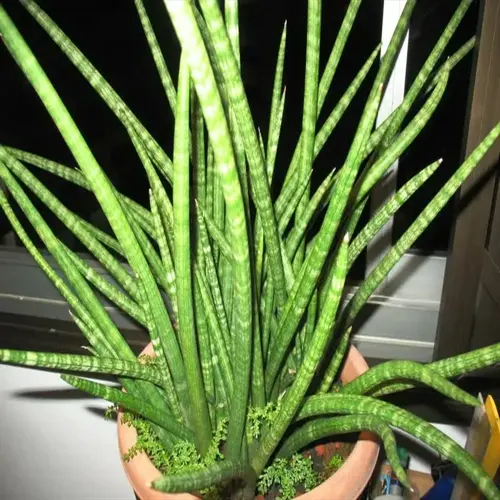

The best plants for dry areas are tough, deep-rooted shrubs that store water and shrug off heat. Your top picks are yucca, rockrose, and Russian sage for color. Add manzanita and juniper for green all year. These survive a baking, west-facing strip where your lawn turns brown by July. The trick is simple. You match the plant to the spot instead of fighting the spot with more water.
That hot strip along a wall or driveway is the hardest place in any yard. It gets full afternoon sun, soaks up heat from concrete, and dries out fast. Grass and bedding plants fail there year after year. So stop replanting the same losers. Pick xeriscaping shrubs that want those conditions, and the strip becomes the easiest part of your garden.
There is a smart design idea behind this, and it has a name. Hydrozoning means you group plants by how much water they need. The EPA WaterSense program backs this method. You put the toughest, lowest-water shrubs in the driest, hardest-to-reach zone. Your thirstier plants go somewhere closer to a tap. This way you never water the whole yard to please its thirstiest plant. The dry corner lives on rain, and your water bill drops.
Drainage matters as much as the plant choice. Most of these shrubs rot in soggy soil, so loosen heavy clay and mix in some grit before you plant. If your soil holds water for hours after rain, build a low mound and set the shrub on top so its crown stays dry. A two to three inch layer of gravel mulch keeps roots cool and stops weeds. It does not hold the damp that bark mulch traps against the stems. Gravel also matches the look of a dry garden and lasts for years without breaking down.
Yucca
- Why it works: Stores water in thick roots and sword-shaped leaves, so it shrugs off weeks without rain.
- Best use: A bold focal point in the hottest, sunniest patch of the strip.
- Care: Needs sharp drainage and almost no extra water once it settles in.
Rockrose And Russian Sage
- Why they work: Both bloom hard in heat and ask for very little, even in poor soil.
- Best use: Mid-height color that softens the gaps between bigger shrubs.
- Care: Cut Russian sage back in spring and let rockrose grow loose and wild.
Manzanita And Juniper
- Why they work: Evergreen structure that holds the bed together through every season.
- Best use: Anchors and low ground cover that hide bare dirt and choke out weeds.
- Care: Slow to start but nearly hands-off once their roots reach deep.
Watch out for the two mistakes that kill these plants fast. The first is too much water out of kindness, which drowns roots built for drought. The second is crowding, since you plant them close to fill space and then they choke each other as they grow. Give each shrub room to reach its full size and resist the urge to water on a fixed schedule. Let the soil and the weather guide you instead.
These dry garden plants still need help in their first year. New shrubs have small roots that cannot reach deep moisture yet, so they depend on you until they settle in. Water deeply but rarely, and soak the soil so the roots chase the water down instead of sitting near the surface. A slow trickle once a week beats a daily sprinkle every time. Push your finger a few inches into the soil before you water, and if it feels damp down there, wait another day or two.
Keep up that deep, infrequent watering for the first one to two seasons. After that, the roots reach far enough that rainfall alone carries most of these shrubs through. You can walk away and let nature do the work. Pick the right plants, sort your drainage, and give them a year of patience. The dry corner that always failed will look better than the parts you fuss over.
Read the full article: Drought Tolerant Shrubs: 15 Water-Wise Picks