
No ground cover that blooms all year actually exists, and any plant tag that promises it is stretching the truth. The honest answer is that flowers come in short bursts, so true year-round interest comes from evergreen leaves, not nonstop blooms. The best you can do is plant a mix that hands off color from one season to the next.
One April my front bed turned electric. The creeping phlox blazed pink and purple for about three weeks, thick enough to hide every inch of soil. Then the blooms dried up. By mid-May the whole patch had gone plain green, and it stayed green and quiet for the rest of the year. The leaves stuck around. The show did not.
That short window is normal for a flowering evergreen ground cover. Most perennials in this group put their energy into a single bloom flush, often just two to four weeks long. The plant spends the rest of the season growing roots and leaves instead of flowers. So the green mat you see most of the year is the real workhorse, and the flowers are a brief bonus on top.
Once you accept that, you can plan around it. Pick plants that bloom at different times and keep their leaves through winter. Stack a few of those together and your bed shows color across more of the calendar than any single plant could manage alone.
Stop hunting for one plant that flowers every month. It does not exist. Aim instead for staggered bloom times plus strong evergreen foliage, and you get color in some form nearly all year.
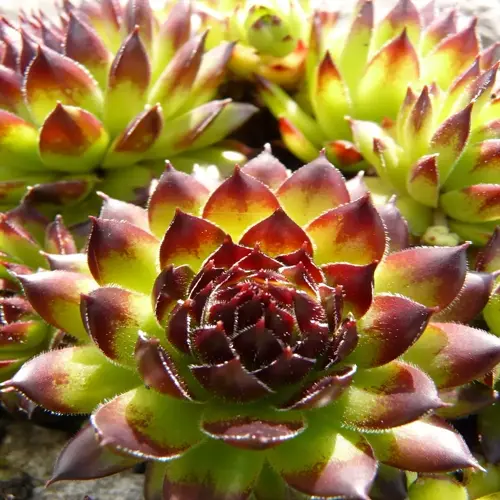
Here is how I'd build that handoff. Creeping phlox and candytuft carry early spring with heavy flower coverage. As they fade, creeping thyme and low sedum pick up summer with small blooms and bee traffic. Both also keep tidy leaves into the cold months. For the off-season, lean on foliage color. Bearberry turns bronze-red in winter. Angelina stonecrop shifts from chartreuse to orange-amber when frost hits.
Spring Bloom
- Creeping phlox: Solid sheets of pink or purple flowers for about three weeks, then a low evergreen mat the rest of the year.
- Candytuft: Crisp white blooms in mid-spring on glossy dark leaves that stay green through winter.
- Best use: Front edges and slopes where you want one big burst of early color.
Summer Bloom
- Creeping thyme: Tiny pink-purple flowers in early summer, plus fragrant leaves you can walk on lightly.
- Low sedum: Star-shaped blooms that draw bees, on fleshy leaves that shrug off heat and drought.
- Best use: Hot, dry spots and gaps between stepping stones where little else holds up.
Winter Foliage
- Bearberry: Small leaves that turn bronze-red in cold weather, holding color when nothing is in flower.
- Angelina stonecrop: Bright chartreuse needles that flush orange and amber after frost.
- Best use: Filling the bare months so the bed never reads as fully dead.
Plant these in drifts rather than one of each scattered around. A clump of phlox next to a clump of thyme reads as intentional color, and it lets each plant cover ground while its neighbor takes a turn flowering. Match each plant to its spot too, since thyme and sedum want sun and dry soil while bearberry tolerates leaner, acidic ground.
So the closest thing to year-round color is not a single miracle plant. It is a small team of evergreen ground covers with bloom times that overlap and foliage that earns its keep in winter. Combine three or four. Your bed then shows something worth looking at in every season, even when no one plant is in flower.
Read the full article: Best Evergreen Ground Cover Plants