
No evergreen ground cover blooms all year. So the real goal is the longest flowering ground cover with leaves that hold color the rest of the time. Ice plant wins on raw bloom length in hot, dry spots. Creeping thyme and Angelina stonecrop flower for weeks in summer too. Both keep good-looking leaves long after the petals drop.
Most ground covers flower for only a couple of weeks and then go plain green. Think of the short, pretty bursts you get from candytuft or basket-of-gold. A flowering evergreen ground cover earns its spot by doing two jobs at once. It puts on a long flower show for you. And it keeps a tidy mat of color when nothing is blooming. That second job is the one you forget when you shop by flower photos alone.
Here is the trap with bloom claims on plant tags. A tag may promise color all summer, but it often means a few flowers here and there, not a full carpet. The plants below give you a real, dense show for many weeks at a time. They also pull their weight in the cold months, which is what makes them worth the spot.
Ice plant is the bloom champion in the right conditions. In a hot, sunny, well-drained bed it can flower from late spring deep into fall, sometimes 8 to 12 weeks at a stretch. The daisy-like flowers come in hot pink, purple, and orange that almost look fake. The catch is simple. It hates wet feet, so heavy clay or a soggy winter will rot it fast. Plant it on a slope or in a gravel bed and it shrugs off heat that fries other plants.
Creeping thyme takes a different path. It carpets the ground in tiny pink or purple flowers for 4 to 6 weeks in early summer, and bees love it. After the bloom fades, the fine leaves stay green or take on a soft bronze tint through winter. You can walk on it, brush past it, and it smells great the whole season. It also fills the cracks between stepping stones better than almost anything else, which makes it a top pick for paths.
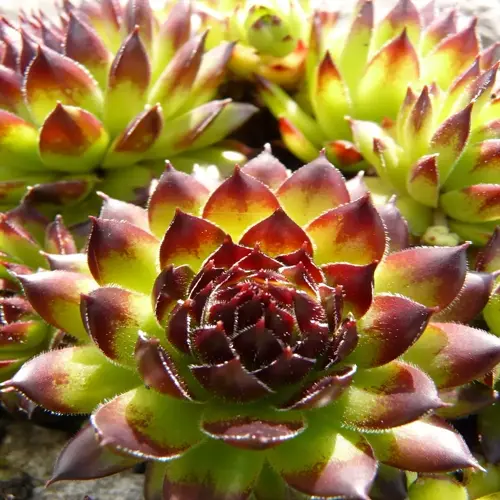
Angelina stonecrop is the foliage star of this group. The summer flowers are small and yellow, but the real value is the leaves. They glow chartreuse in your warm months, then turn orange and rust when the cold sets in. That color shift gives you something to look at in January when most of your beds sit bare. You get the flowers as a bonus on top of leaves that never quit.
Want bloom in light shade instead of blazing sun? Reach for a creeping sedum like John Creech, which still flowers in a spot that gets a half day of sun. You can also lean on the foliage picks more in shade, since their leaf color does the work when flowers thin out. The point is to read your light first, then choose, so you are not fighting the site all season.
The smartest move is to mix a true long-bloomer with one strong foliage plant. Pair ice plant or creeping thyme for the flowers. Then tuck Angelina or another sedum nearby to carry color through the off weeks. This combo gives you the closest thing to nonstop interest from one low, spreading layer. Space the plants about 12 inches apart and they knit into a solid mat in a season or two.
Match the plant to your site and the bloom takes care of itself. All three want sun and sharp drainage, so loosen heavy soil with grit or sand before you plant. Do that, and a long blooming ground cover like ice plant or thyme will reward you with color for far more of the year than a plain green mat ever could.
Read the full article: Best Evergreen Ground Cover Plants